Stainless Steel Low Boat Cleat
It is made of preferred 316 stainless steel and precisely cast. Corrosion-resistant, rust-free and durable.
The surface is treated with high-precision manual polishing, which not only effectively prevents rust but also appears high-end and elegant.
Each pc pass our inspection before shipping to you .
size: 4' 5' 6' 8' 10' 12'
Product Advantage
1.High resilience, unlikely to break.
2. Excellent processing performance, making it easy to be shaped into a rope bolt.
3. Excellent welding performance, with a secure connection.
4. Excellent antioxidant properties, with a surface that is not prone to rusting.
Technical Parameters
![ZB0202扁形索栓-尺寸图]()
Product Uses Rope cleat work for dock lines ,mooring and etcˌ
Kayak cleat stainless steel marine grade
Dock cleat open base,easy line tie-off for any Boat
Open base cleats stainless steel marine
| Product Name | low boat cleat |
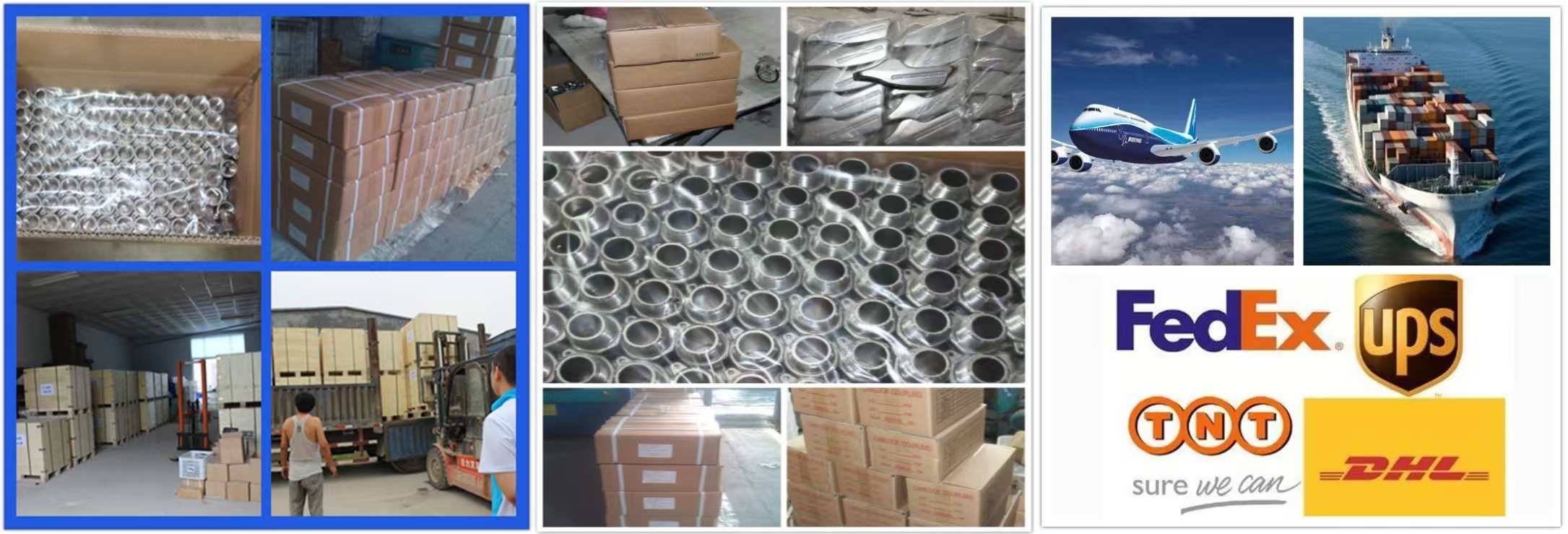
| package | bubble bag+carton |
| Delivery time | 7-25days |
| OEM & ODM | available |
FAQ
Why does stainless steel rust?
a. When dust containing other metal elements or particles of dissimilar metals accumulate on the surface of stainless steel, in a humid environment, the condensate water between the adherent and the stainless steel forms a micro-battery, triggering an electrochemical reaction and damaging the protective film. This is known as electrochemical corrosion.
b. When organic substances such as vegetable juice, noodle soup, and phlegm adhere to the surface of stainless steel, they form organic acids in the presence of water and oxygen. Over a long period of time, these organic acids will corrode the metal surface.
c. The stainless steel surface adheres to substances containing acids, alkalis and salts (such as splashed alkali water and lime water during wall decoration), causing local corrosion.
d. In polluted air (such as that containing large amounts of sulfides, carbon oxides, and nitrogen oxides), upon encountering condensation water, liquid spots of sulfuric acid, nitric acid, and acetic acid are formed, causing chemical corrosion.
packing&Delivery

Exsibition 
workshop