


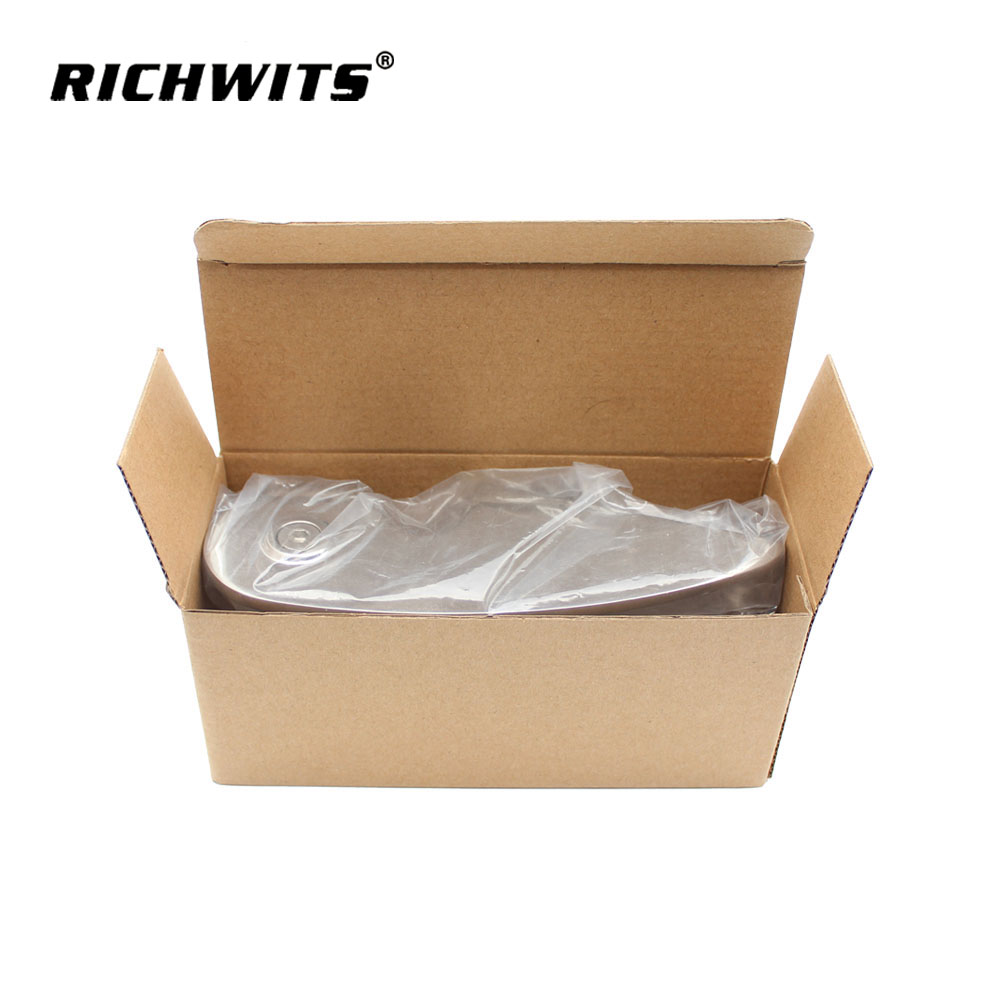
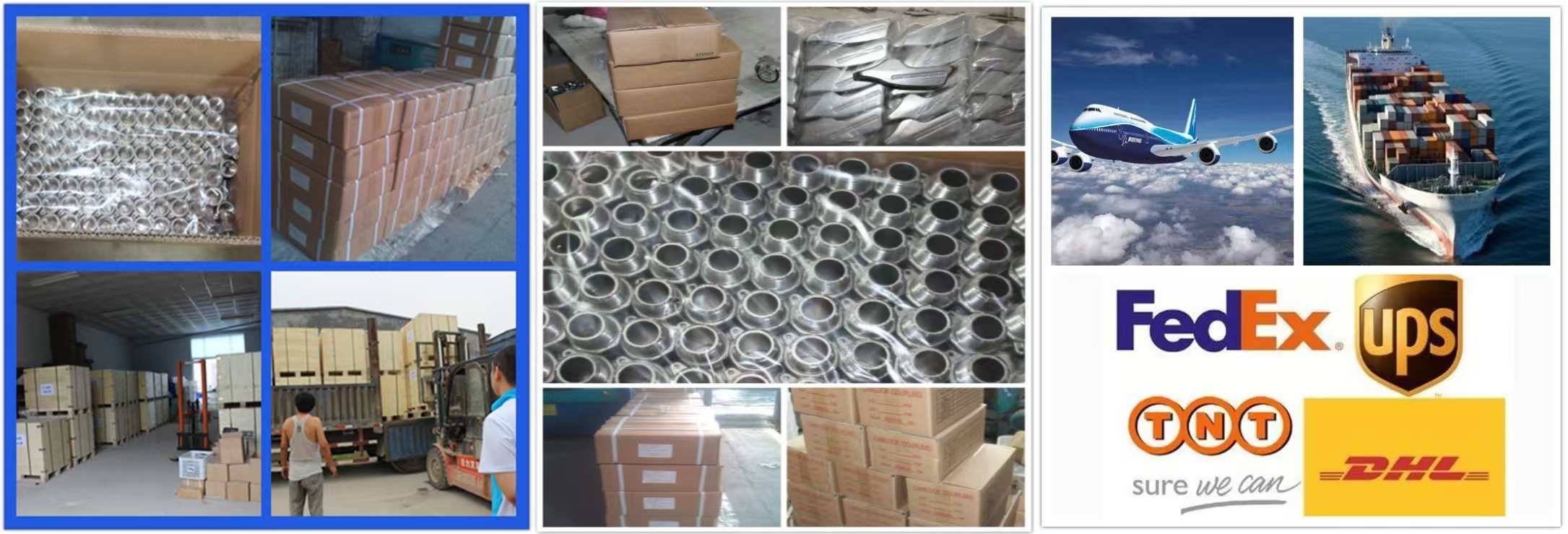
Packing and Delivery

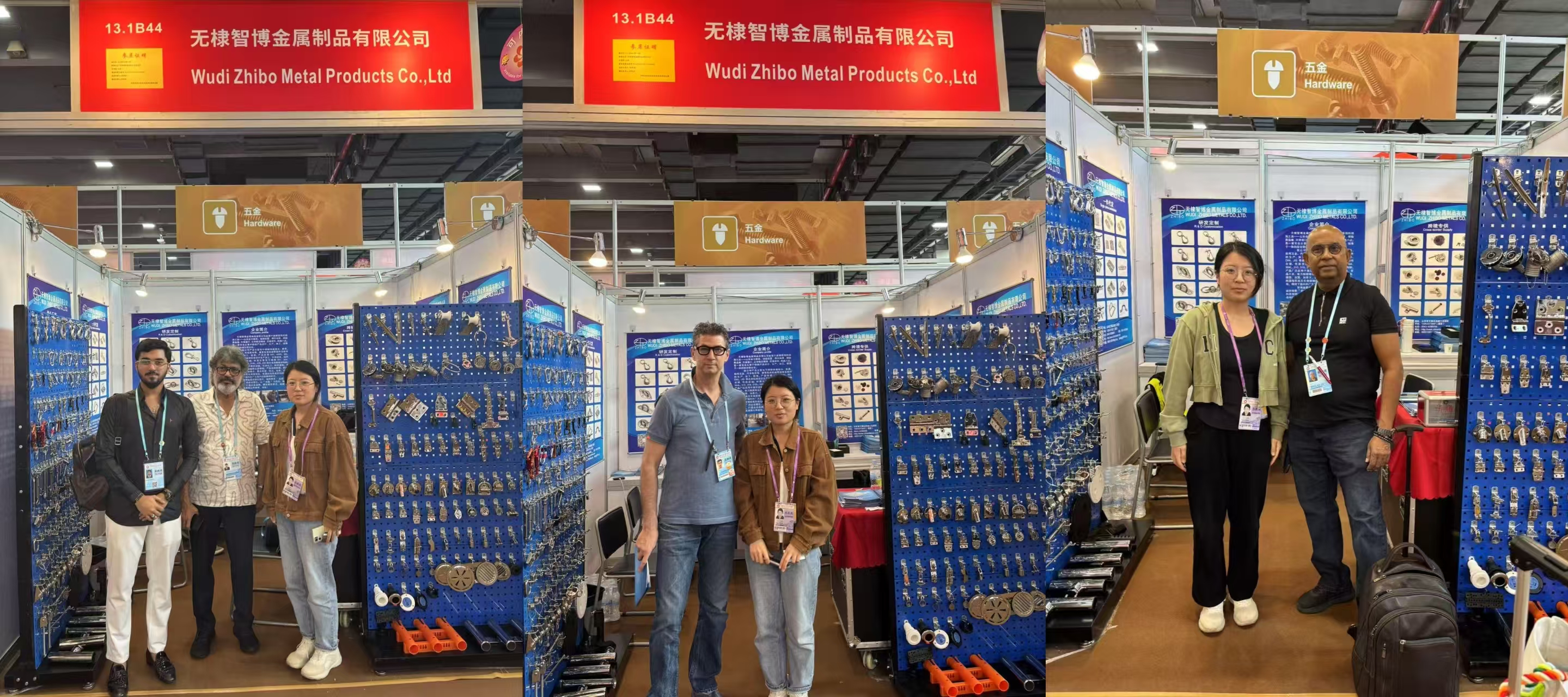
Exhibition
FAQ:
1、 If it's "stainless," why does it sometimes rust?
Answer:
· Contamination: Iron or carbon steel particles from tools, dock grit, or nearby grinding can settle on the stainless surface and rust. This is called "surface contamination."
· Crevice Corrosion: In tight, oxygen-deprived spaces (under a bolt head, inside a threaded fitting), the protective layer can break down, leading to corrosion.
· Galvanic Corrosion: When stainless steel is electrically connected to a less noble metal (like aluminum or mild steel) in seawater, the electrolyte (saltwater) causes a current to flow, corroding the less noble metal. The stainless can also be attacked if its potential is shifted.
· Pitting: Chlorides can locally break down the passive layer, causing small, deep pits.
· Low-Quality Alloy: Using 304 instead of 316 in a marine environment will almost certainly lead to corrosion.
2. What are the key types of non-rigging marine hardware?
Answer: This category includes all the functional and structural fittings on a boat:
· Cleats: For docking and mooring lines.
· Marine latch: To fasten doors, lockers .hatches
· Fuel Filler: Refueling, refilling gas, water or wastewater.
· Hatches, Portlights, and Windows:
· Rail-mounted Hardware: Traveler cars, genoa track cars.
· Hardware for Running Rigging: Clam cleats, jammer cleats, rope clutches.


