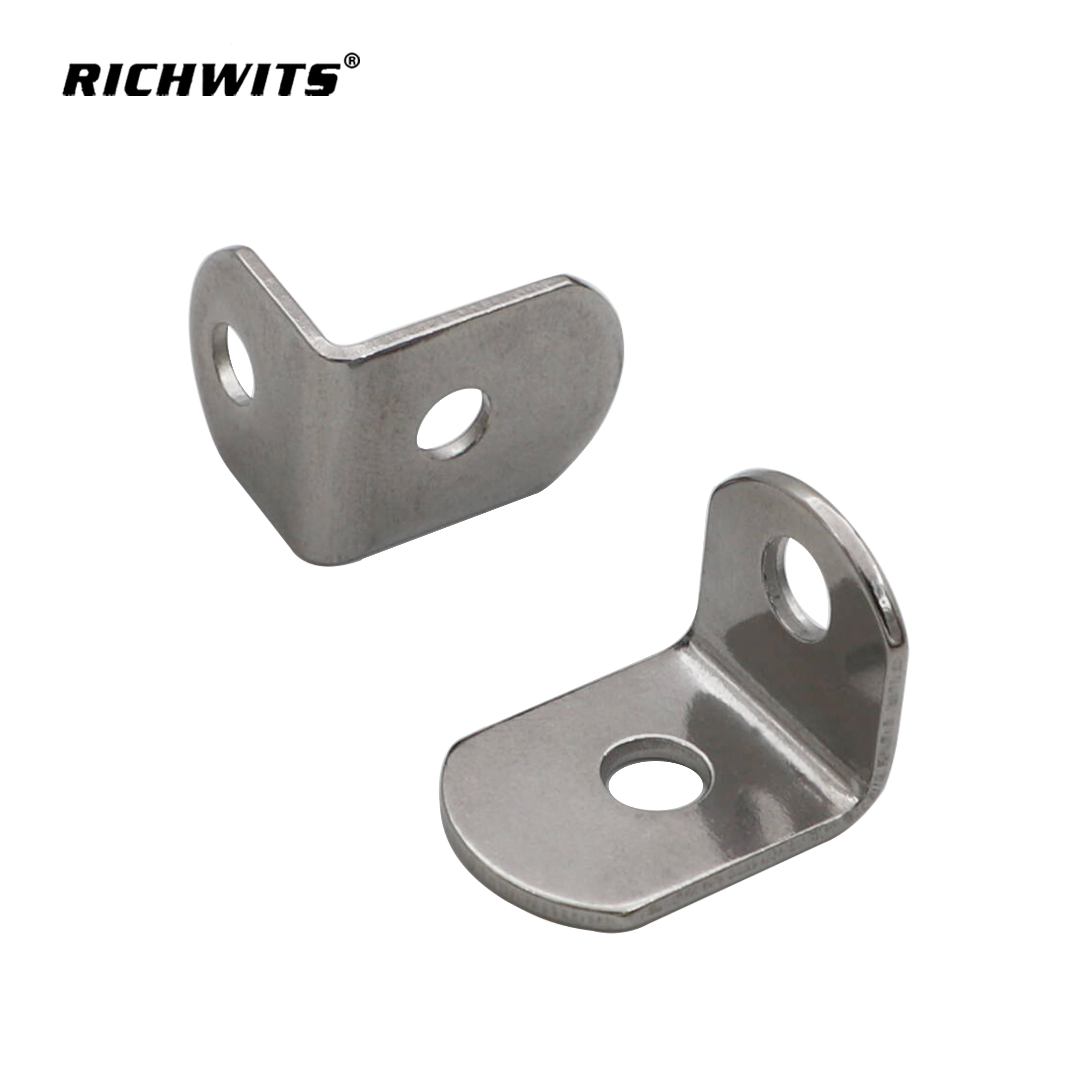
A small hinge can stop a hatch from closing. A weak cleat can fail under load. Marine grade hardware matters because boats face salt, water, sun, vibration, and stress every day. In this article, you will learn why marine grade hardware is important, where it matters most, and how to choose reliable parts.
Key Takeaways
●Marine Hardware is important because it supports safety, corrosion resistance, strength, and long-term boat performance.
●Marine grade hardware is not only about appearance. It must handle saltwater, moisture, UV exposure, vibration, and repeated load.
●Poor hardware can rust, loosen, stain the boat, damage nearby parts, and create safety risks.
●Material selection matters. 316 stainless steel often suits saltwater use, while 304 stainless steel may work better in protected or freshwater areas.
●Deck hardware, fasteners, rails, hinges, latches, brackets, and mounting parts all need proper material and installation.
●Even marine grade hardware needs cleaning, inspection, and correct installation to perform well over time.
Why Marine Grade Hardware Is Critical for Marine Safety and Durability
Marine grade hardware is important because it works in one of the toughest use environments. Boats and marine systems deal with salt spray, rain, humidity, heat, impact, and constant movement. A part may look small, but its job can be serious.
It Helps Prevent Corrosion-Related Failure
Corrosion is one of the biggest problems in marine use. Saltwater can attack ordinary steel quickly. Even parts that look strong at first may weaken from rust, pitting, or surface damage.
This is why Marine Hardware needs better corrosion resistance. A rusty hinge, latch, or fastener does not only look bad. It may lose strength, become hard to operate, or damage the surface around it.
It Supports Load-Bearing Performance
Many marine parts carry real loads. Cleats hold lines. Shackles connect gear. Brackets support equipment. Rails and ladders help people move safely.
If the hardware is weak, the load may exceed its limit. Docking force, wave movement, towing stress, or vibration can cause failure. Reliable marine grade hardware reduces this risk.
It Protects Passengers, Crew, and Equipment
Safety often depends on small parts. A loose grab handle can cause a fall. A weak ladder fitting can fail during boarding. A broken hatch latch can expose equipment to water.
Good hardware helps keep people and equipment protected. It also helps boat owners avoid problems during use, storage, and transport.
It Extends the Service Life of Boats and Marine Systems
Durable Marine Hardware helps boats last longer. It protects contact points, mounting areas, access panels, and moving parts.
When hardware resists corrosion and wear, the boat needs fewer replacements. It also keeps systems working across seasons, especially after repeated exposure to sun, water, and salt.
It Reduces Maintenance and Repair Costs
Low-quality hardware often costs more over time. It may need frequent replacement. It can also create extra repair work if rust stains, seized screws, or loose fittings damage nearby surfaces.
Marine grade hardware usually offers better long-term value. It makes inspection easier, reduces rust problems, and lowers the chance of unplanned repairs.
It Preserves Appearance and Professional Quality
Corrosion stains, pitting, and loose parts make a boat look poorly maintained. For personal boat owners, this affects pride and resale value. For marine businesses, it affects customer trust.
It Improves Reliability in Harsh Marine Conditions
Marine environments are not stable. A boat can face sun in the morning, salt spray at noon, and heavy vibration later. Hardware must perform across these changes.
Good marine grade hardware is built for repeated exposure. It should stay stable, fit well, and operate smoothly, not only look polished when new.
What Makes Marine Grade Hardware Different from Standard Hardware?
Marine grade hardware differs from standard hardware in material, finish, design, and application fit. The difference may not always be obvious from a photo, so buyers should check the actual specification.
Material Quality and Corrosion Resistance
Marine hardware may use 316 stainless steel, 304 stainless steel, aluminum alloys, brass, bronze, engineered plastics, rubber parts, or composites. Each material has a different role.
The key point is not choosing the most expensive material every time. The right choice depends on salt exposure, load, installation surface, and expected service life.
Design for Wet and High-Stress Environments
Marine grade parts often include smoother surfaces, stronger mounting points, rounded edges, and better drainage design. These details help reduce corrosion traps and stress points.
A standard hinge may work indoors. On a boat, it may collect water, seize, or loosen under vibration. Marine design must consider both water and movement.
Better Compatibility with Marine Applications
Boats may use fiberglass, aluminum, wood, stainless steel, coated surfaces, or mixed materials. Hardware must match these surfaces.
Poor material pairing can cause galvanic corrosion. This happens when different metals react in a wet environment. It can damage the hardware, the mounting surface, or both.
More Reliable Surface Finishing and Protection
Surface finish is more than decoration. Polishing, passivation, coating, or anodizing may improve corrosion resistance and surface stability.
A smooth finish also reduces dirt buildup. It makes cleaning easier and helps the hardware keep a better appearance over time.
Note: A product marked “marine grade” should still list its material, finish, and intended application. The label alone is not enough.
Where Is Marine Grade Hardware Most Important on a Boat?
Marine grade hardware matters across the whole boat, but some areas need extra attention. These parts face heavier loads, more water, or higher safety demands.
Deck Hardware and Mooring Components
Cleats, chocks, fairleads, bollards, and deck plates face direct exposure. They also handle strong forces during docking, tying, or towing.
These parts should offer strong corrosion resistance and proper load performance. A weak deck fitting can damage the boat or create a safety hazard.
Hinges, Latches, and Access Hardware
Hatches, lockers, doors, cabinets, and engine access panels need smooth movement. If hinges rust or latches seize, access becomes difficult.
This can be more than an inconvenience. A blocked hatch may delay maintenance. A loose latch may allow water into storage areas.
Rails, Handles, and Safety Fittings
Handrails, grab handles, ladders, and guard fittings support people. They should be strong, stable, and easy to grip.
These components must stay secure after repeated use. A loose rail or handle can create a direct safety risk.
Fasteners, Brackets, and Mounting Parts
Fasteners are often hidden, but they are critical. Screws, bolts, washers, backing plates, and brackets hold systems together.
Poor fasteners can weaken even high-quality equipment. If they corrode or loosen, the mounted part may fail before the main component wears out.
The Risks of Using Non-Marine Grade Hardware
Non-marine hardware may seem like a cheaper option. In real marine use, it often creates higher risk and higher cost.
Faster Rust, Pitting, and Surface Damage
Ordinary steel can rust quickly near water. Low-quality metal may also pit, stain, or lose surface strength.
Rust stains can spread across nearby surfaces. They may be hard to remove from fiberglass, painted metal, or deck areas.
Loose Fittings and Structural Weak Points
Boats vibrate and move constantly. If hardware is not designed for this stress, it may loosen over time.
Corrosion makes the problem worse. Threads weaken, mounting holes enlarge, and fittings may shift under load.
Higher Long-Term Replacement Costs
A cheaper part may need replacement sooner. Labor, downtime, and surface repair can cost more than the original saving.
For commercial vessels, rental boats, and marine service companies, downtime matters. Failed hardware can interrupt work and damage customer confidence.
Potential Safety and Liability Issues
Hardware failure can create safety problems. A broken rail, failed ladder mount, or loose deck fitting can lead to injury or equipment loss.
Marine businesses also need to think about liability. Consistent hardware quality helps reduce avoidable complaints, claims, and repeat repair work.
How Important Is Material Selection in Marine Hardware?
Material selection is one of the most important parts of choosing Marine Hardware. The same material is not right for every boat, part, or exposure level.
316 Stainless Steel for Saltwater Exposure
316 stainless steel is often preferred for saltwater applications because it has stronger corrosion resistance than many common metals. It is widely used for exposed hardware, fasteners, fittings, rails, and deck components.
However, it still needs correct installation and maintenance. Salt buildup, poor drainage, and trapped moisture can still affect performance.
304 Stainless Steel for Protected or Freshwater Areas
304 stainless steel may work well in freshwater or protected cabin areas. It can offer good strength and clean appearance.
It may not be the best choice for continuous saltwater exposure. Buyers should avoid assuming all stainless steel grades perform the same.
Brass, Bronze, Aluminum, and Plastics for Specific Uses
Not every part needs stainless steel. Bronze may suit certain traditional marine fittings. Brass may work in selected decorative or low-load applications. Anodized aluminum can reduce weight. Nylon, rubber, and composite parts may help with insulation, sealing, or flexibility.
The best choice depends on function. A latch, handle, bushing, hinge, and deck cleat do not face the same stress.
Matching Material to Load, Exposure, and Boat Type
Good material selection starts with four questions: Where will it be installed? How much load will it carry? What will it touch? How often will it face saltwater?
Use this simple guide when comparing options:
Selection Factor
Why It Matters
Practical Buying Check
Exposure level
Saltwater and UV speed up wear
Choose higher corrosion resistance for exposed areas
Load requirement
Some parts carry real force
Check strength, size, and mounting method
Base material
Mixed metals may react
Avoid poor metal pairing
Use frequency
Moving parts wear faster
Check hinge, latch, and handle quality
Finish quality
Finish affects appearance and cleaning
Look for smooth edges and consistent surfaces
Tip: For bulk purchasing, create separate specifications for saltwater deck use, freshwater use, and protected cabin use.
How Marine Grade Hardware Affects Long-Term Value
Marine grade hardware has a strong effect on long-term value. It protects performance, reduces service issues, and supports a better user experience.
Better Performance Over the Boat’s Service Life
Boats need hardware that can work for years, not just during the first few months. Reliable hardware helps maintain safe movement, secure storage, strong mounting, and smooth access.
This matters during seasonal use, long storage, and repeated cleaning. Parts that resist corrosion and wear help the boat stay easier to maintain.
Stronger Product Quality for Marine Businesses
For boat builders, distributors, repair shops, and wholesalers, hardware quality supports brand reputation. Customers may not inspect every screw, but they notice rust, sticking latches, and loose fittings.
Consistent Marine Hardware helps reduce complaints. It also helps businesses offer products that feel more professional and dependable.
Lower Downtime for Commercial and Frequent-Use Vessels
Workboats, rental fleets, docks, and service vessels need reliability. If a fitting fails, the boat may need repair before it can return to use.
Durable hardware helps reduce downtime. It also supports better planning for maintenance schedules and replacement cycles.
How to Choose Reliable Marine Grade Hardware
Reliable marine grade hardware should be selected by specification, not only by appearance. Buyers should review the material, finish, strength, and use conditions.
Check the Actual Material, Not Just the Product Name
A product name can be vague. Confirm whether the part uses 316 stainless steel, 304 stainless steel, aluminum, brass, bronze, nylon, rubber, or another material.
Also check whether the supplier explains the finish, coating, or intended use. Clear specifications make comparison easier and reduce sourcing risk.
Evaluate Load Requirements and Installation Position
A deck cleat needs different strength from a small cabinet latch. A rail fitting needs different support from a decorative trim part.
Buyers should consider fastener size, backing plates, mounting surface, and installation angle. Good hardware can still fail if it is installed in the wrong way.
Consider the Operating Environment
Saltwater, freshwater, coastal humidity, and indoor cabin use all create different demands. Exposed deck hardware needs stronger resistance than hardware inside a dry storage area.
Inspect Finish, Fit, and Manufacturing Consistency
Smooth edges, clean polishing, accurate dimensions, tight assembly, and stable operation all matter. These details show whether the supplier controls production well.
For wholesalers and distributors, consistency is essential. A single good sample is not enough. Batch quality must remain stable.
Conclusion
Marine grade hardware is highly important because it affects safety, strength, appearance, and long-term cost. Reliable Marine Hardware should match the boat, load, material, and exposure level. Zhibo Metal offers practical marine hardware products designed to support durability, stable performance, and sourcing value for buyers who need dependable parts.