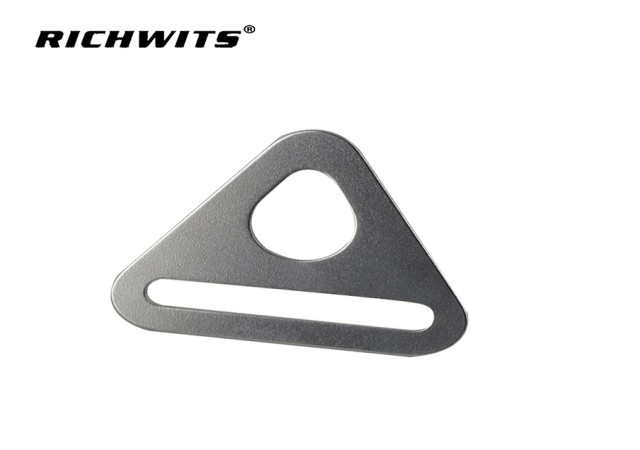
The best boat accessory is not always the most expensive one. It is the one that keeps your boat safer, easier to handle, and ready for use. Marine Hardware also matters because many accessories depend on strong fittings, fasteners, and mounts. In this guide, you will learn which boat accessories deserve priority first.
Key Takeaways
●The best accessories for boats should improve safety, docking, handling, storage, comfort, maintenance, or durability.
●Safety gear should always come before luxury upgrades, especially for commercial boats, rental fleets, and long-distance use.
●Marine Hardware is a core accessory category because cleats, hinges, latches, shackles, rails, brackets, and fasteners support many onboard systems.
●Docking and anchoring accessories protect the vessel during wind, tide, current, and repeated marina use.
●Fishing, cruising, and watersports boats need different accessory combinations, so buyers should match products to real use.
●Material choice matters. Stainless steel, anodized aluminum, UV-resistant plastics, and marine fabrics perform better in wet environments.
Best Boat Accessories to Prioritize First
Choosing boat accessories can feel confusing. There are many products on the market, but not all deserve equal priority. A smart buying plan starts with safety, control, and protection. Comfort items can come later.
Accessory Category
Main Purpose
Priority Level
Safety gear
Protects people during emergencies
Very high
Docking accessories
Prevents hull and dock damage
Very high
Anchoring equipment
Keeps the boat stable
High
Navigation tools
Supports safer route planning
High
Storage accessories
Reduces clutter and damage
Medium
Comfort upgrades
Improves user experience
Medium
Maintenance tools
Extends service life
High
Safety Gear Every Boat Should Carry
Every boat should carry approved life jackets, throwable flotation devices, fire extinguishers, first-aid supplies, emergency lights, and sound-signaling tools. These items are not decorative. They protect passengers when weather changes, engines fail, or accidents happen.
For B2B buyers, safety gear also affects customer trust. Charter operators, rental fleets, and marine distributors should treat it as essential inventory, not optional stock.
Docking and Mooring Accessories
Dock lines, fenders, cleats, chocks, mooring hooks, and boat hooks help protect a boat during docking. They reduce impact, abrasion, and sudden movement. Good docking accessories also make marina operations faster and safer.
Marine Hardware plays a direct role here. Cleats, chocks, and deck fittings must resist pulling force, friction, salt spray, and repeated use.
Anchoring Accessories for Stability and Control
Anchors, chains, shackles, rollers, windlasses, and rode storage systems help hold the boat in place. The right setup depends on boat weight, seabed type, water depth, and expected weather.
A small recreational boat may only need a basic anchor kit. A commercial or offshore vessel needs stronger hardware, better chain, and more reliable handling systems.
Navigation and Communication Accessories
GPS chartplotters, VHF radios, compasses, depth finders, AIS systems, and navigation lights help boaters make safer decisions. These tools are especially useful in low visibility, shallow water, and busy channels.
Navigation accessories also reduce stress for new boat owners. They help them understand location, depth, route, and nearby traffic.
Storage and Organization Accessories
Dry bags, deck boxes, tackle storage, tool organizers, and gear nets keep items secure. They also reduce tripping risks on deck. Organized storage protects electronics, clothing, fishing gear, and repair tools from water damage.
For distributors, modular storage products are attractive because they suit many boat types. They are easy to bundle with other accessories.
Comfort and Convenience Accessories
Seats, cushions, cup holders, shade systems, ladders, tables, and USB charging ports improve the boating experience. They matter most on family boats, cruising boats, pontoons, and leisure vessels.
However, comfort items should not replace essential safety or handling accessories. The best setup balances comfort and function.
Maintenance and Protection Accessories
Boat covers, bilge pumps, cleaning kits, corrosion inhibitors, drain plugs, deck brushes, and protective mats help extend service life. These accessories reduce repair costs by preventing water damage, rust, stains, and surface wear.
Essential Marine Hardware Accessories for Boat Durability
Marine Hardware is one of the most important accessory categories because it supports the boat’s working parts. Many accessories fail not because the product is poor, but because the hardware holding it is weak.
Stainless Steel Fasteners, Screws, and Bolts
Fasteners secure railings, ladders, seats, hinges, hatches, brackets, and deck accessories. In marine environments, ordinary screws may rust quickly. They can stain surfaces and lose strength.
Marine-grade stainless steel fasteners are usually a better choice for wet, salty, or humid conditions. They help protect the structure and reduce replacement frequency.
Cleats, Hinges, Latches, and Handles
Cleats help secure dock lines. Hinges allow hatches and doors to open smoothly. Latches keep compartments closed. Handles support daily access and safer movement.
These small parts affect the whole user experience. If they rust, loosen, or jam, the boat becomes harder to use and maintain.
Shackles, Eye Plates, Pad Eyes, and Deck Fittings
Shackles, eye plates, pad eyes, and deck fittings support anchoring, tie-down points, rigging, and accessory mounting. They often carry real load, so quality matters.
Buyers should check material, finish, load rating, and installation method. Weak fittings can fail under wave impact or sudden tension.
Rails, Brackets, and Mounting Hardware
Handrails, grab rails, bimini fittings, rod holder mounts, and equipment brackets improve both safety and function. They need strong mounting points and corrosion-resistant parts.
Good Marine Hardware helps accessories stay secure during vibration, movement, and repeated use.
Note:Marine Hardware should be selected by load, exposure level, and installation surface, not only by appearance.
Best Accessories for Safer Boating
Safety accessories protect people first. They also protect businesses from complaints, downtime, and avoidable risk. For any boat owner or marine buyer, safety should remain the top priority.
Life-Saving and Emergency Accessories
Life jackets, rescue throw bags, emergency blankets, whistles, waterproof flashlights, flares, EPIRBs, and PLBs support emergency response. Offshore users may need more advanced signaling devices.
These accessories should be easy to reach. They should not be hidden behind heavy gear or locked inside hard-to-open storage.
Bilge Pumps and Water Management Tools
Bilge pumps, manual pumps, float switches, scuppers, drain plugs, and deck drains help control unwanted water. Water inside the boat can damage equipment and affect stability.
Automatic bilge pumps are valuable because they work without constant attention. Manual pumps still matter as backup tools.
Lighting Accessories for Visibility
Navigation lights, deck lights, cabin lights, portable emergency lights, and underwater lights improve visibility. They help during night boating, docking, loading, and repairs.
Lighting accessories should be marine-rated. They should resist moisture, vibration, and UV exposure.
Best Accessories for Docking, Anchoring, and Boat Handling
Docking and anchoring accessories protect the hull and improve control. They are important for private owners, marinas, charter operators, and fleet managers.
Fenders and Dock Lines
Fenders protect the hull from docks, pilings, and nearby boats. Dock lines keep the boat secure under wind, tide, and current. The wrong line size or poor attachment point can create safety problems.
Buyers should consider line diameter, length, material, and stretch. They should also match fender size to boat size.
Anchors, Chains, and Windlasses
Anchors vary by seabed. Some work better in sand, while others perform better in mud, rock, or mixed bottoms. Chain adds weight and improves holding angle.
Windlasses make anchoring easier on larger boats. They reduce manual effort and improve handling efficiency.
Boat Hooks, Boarding Ladders, and Grab Rails
Boat hooks help during docking and object retrieval. Boarding ladders improve water access. Grab rails support safe movement on wet surfaces.
These accessories need secure mounting. Stainless steel brackets, backing plates, and corrosion-resistant fittings help prevent loosening.
Best Accessories for Fishing, Cruising, and Watersports
Different boat activities require different accessories. A fishing boat needs utility. A cruiser needs comfort. A watersports boat needs secure towing and safe boarding.
Fishing Boat Accessories
Rod holders, bait tables, livewell systems, tackle boxes, fish finders, cutting boards, and outriggers improve fishing efficiency. Layout matters because anglers need clear deck space.
Mounting position also matters. Rod holders and bait tables should be easy to reach but not block movement.
Cruising Boat Accessories
Cruising boats benefit from shade systems, marine seating, coolers, galley storage, deck tables, charging ports, and cabin organizers. Longer trips need more comfort and better storage.
Cruising accessories should be durable and easy to clean. They should also fit the boat’s layout without making it crowded.
Watersports Boat Accessories
Tow ropes, wakeboard racks, ski pylons, swim platforms, mirrors, and boarding ladders support watersports use. These accessories often carry dynamic force.
Secure mounting is critical. Load-bearing hardware should match the activity and vessel structure.
Tip:For wholesale programs, separate accessories by boat activity to simplify buyer selection and improve conversion.
How to Choose the Best Boat Accessories
The best accessories are not universal. They depend on the vessel, environment, user behavior, and budget. A practical selection process helps buyers avoid waste.
Match Accessories to Boat Type and Usage
Fishing boats, pontoons, sailboats, center consoles, and cabin cruisers have different needs. A center console may need rod holders and electronics. A pontoon may need seating, shade, and boarding accessories.
Start with the boat’s main use. Then choose accessories that solve daily problems.
Consider Saltwater, Freshwater, and Weather Exposure
Saltwater, humidity, UV rays, and temperature changes damage weak materials. Freshwater is usually less aggressive, but moisture still causes wear.
Marine-grade plastics, anodized aluminum, stainless steel, rubber, and UV-resistant fabrics often perform better. They may cost more upfront, but they last longer.
Check Compatibility, Load Rating, and Installation Requirements
Accessories must fit the boat’s layout, surface material, electrical system, and structure. A product may look suitable but fail if installed on a weak surface.
Marine Hardware should match load, material compatibility, and corrosion conditions. This is especially important for cleats, ladders, rails, and towing points.
Balance Budget With Long-Term Reliability
Cheap accessories may seem attractive. They can become expensive if they rust, crack, loosen, or need frequent replacement.
Boat Accessory Materials: What Performs Best on the Water?
Material choice affects safety, appearance, service life, and maintenance cost. Boats operate in harsh conditions, so accessories need materials made for water, sun, salt, and vibration.
Stainless Steel and Marine-Grade Metals
Stainless steel is widely used for fasteners, cleats, shackles, rails, hinges, and deck fittings. It offers strength and corrosion resistance.
Anodized aluminum is also common. It is lighter than stainless steel and suitable for many brackets, frames, and fittings.
UV-Resistant Plastics and Composites
UV-resistant plastics and composites work well for storage boxes, hatches, cup holders, seats, trim parts, and some covers. They are light, non-corrosive, and often cost-effective.
They are not always suitable for heavy load. Buyers should check strength and temperature resistance before purchase.
Marine Fabrics, Rubber, and Protective Materials
Boat covers, cushions, fenders, seals, mats, and protective pads need water resistance and UV resistance. They should also resist mildew and abrasion.
Good soft materials protect both the boat and passengers. Poor materials fade, crack, or absorb water too quickly.
Common Mistakes to Avoid When Buying Boat Accessories
Even experienced buyers can choose the wrong products. Most mistakes come from ignoring the marine environment, installation quality, or real user needs.
Buying Non-Marine Hardware for Marine Use
Ordinary hardware may corrode quickly on boats. It can weaken, stain nearby surfaces, or fail under vibration.
Purpose-built Marine Hardware is a better choice for exposed, load-bearing, or safety-related applications. It supports longer service life and safer operation.
Overloading the Boat With Unnecessary Accessories
Too many accessories can reduce deck space, increase weight, and create tripping hazards. This is common when buyers focus on appearance instead of function.
A cleaner layout is often safer. Choose accessories that solve real problems.
Ignoring Installation Quality
Premium accessories can still fail if installation is poor. Weak fasteners, missing backing plates, and wrong sealants can cause leaks or loose fittings.
Drilled holes should be sealed properly. Hardware should be checked after early use and regular service.
Note:For fleet buyers, standardizing hardware sizes can reduce maintenance time and spare-part complexity.
Conclusion
The best boat accessories improve safety, control, comfort, storage, maintenance, and long-term value. Buyers should choose safety gear, docking tools, anchoring systems, navigation products, and reliable Marine Hardware before luxury upgrades. Zhibo Metal supports this need with durable marine hardware products built for strength, corrosion resistance, and practical use. Its products help boat builders, distributors, and marine buyers improve reliability while reducing future replacement pressure.