Choosing the right marine hardware for your boat can be the difference between smooth sailing and constant maintenance headaches. As boating enthusiasts, we understand the challenges of sourcing the best components to ensure longevity, safety, and performance. Whether you are replacing a single part or outfitting a new vessel, it’s essential to prioritize high-quality hardware that can withstand the harsh conditions of marine environments.
At Wudi Zhibo Metals Co., Ltd., we specialize in precision casting and customized marine hardware solutions. Our ability to create highly durable and reliable parts, tailored to your specific needs, ensures that each component meets or exceeds industry standards.
1 Understand the Key Types of Marine Hardware
Marine hardware includes a wide range of products, each designed for a specific purpose to enhance the functionality and safety of your boat. Here are some common types of marine hardware you will encounter:
A Deck Hardware
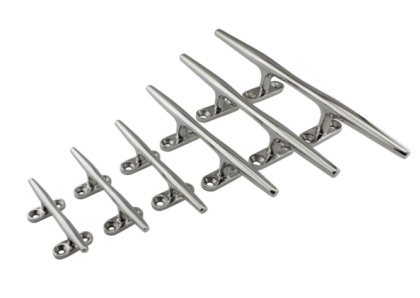
This includes items such as cleats, winches, chocks, and fairleads that are vital for securing ropes, managing sails, and anchoring the boat. Deck hardware must be durable, corrosion-resistant, and able to withstand heavy loads.
B Engine Parts
Engine components such as exhaust systems, cooling systems, and fuel filters are crucial for boat performance. These parts are subject to constant wear and exposure to saltwater, making it essential to choose corrosion-resistant, high-performance materials.
C Fasteners and Fittings
Fasteners such as bolts, screws, nuts, and washers are used throughout the boat’s structure. Quality marine fasteners should be made of stainless steel or other rust-resistant alloys to avoid corrosion and ensure a tight, secure fit.
D Anchoring and Mooring Hardware
Marine anchors, anchor chains, and related hardware must be reliable and easy to operate in all weather conditions. They should be made from strong, corrosion-resistant metals to ensure safety and reliability when docking or mooring the boat.
E Safety Hardware
Safety-related components such as life raft release systems, fire extinguishers, and safety lines must comply with industry regulations and be made from durable, non-corrosive materials to ensure effective protection.
2 Consider the Material: Durability and Corrosion Resistance
Marine hardware is continuously exposed to challenging environmental factors, including saltwater, humidity, UV rays, and extreme temperatures. These elements significantly impact the longevity, performance, and reliability of the components. Therefore, the material used for manufacturing hardware plays a crucial role in its suitability for marine applications. Selecting the right material ensures that your boat's hardware can withstand these conditions while maintaining its functionality over time.
A Stainless Steel
Stainless steel is widely regarded as the most common and trusted material for marine hardware. Its exceptional corrosion resistance, strength, and durability make it ideal for use in saltwater environments, where metals are susceptible to rapid degradation. Among the different grades of stainless steel, 304 and 316 are the most commonly used alloys for marine applications.
304 Stainless Steel is highly resistant to corrosion but may not offer the same level of protection against saltwater as 316.
316 Stainless Steel, on the other hand, is specifically designed for marine environments. It contains molybdenum, which provides superior resistance to saltwater corrosion and makes it suitable for critical components such as propellers, fasteners, and hardware exposed to the harshest marine conditions. This material ensures the longevity of your boat's essential hardware.
B Bronze and Brass
Stainless steel is widely regarded as the most common and trusted material for marine hardware. Its exceptional corrosion resistance, strength, and durability make it ideal for use in saltwater environments, where metals are susceptible to rapid degradation. Among the different grades of stainless steel, 304 and 316 are the most commonly used alloys for marine applications.
C Aluminum
Aluminum is lightweight, corrosion-resistant, and often used for structural components and deck fittings. However, aluminum should be carefully chosen for its strength-to-weight ratio and appropriate alloy composition, as softer aluminum alloys may degrade over time.
D Plastic and Composite Materials
In some cases, marine hardware is made from high-performance plastics or composite materials, such as fiberglass-reinforced plastic (FRP). These materials can be ideal for certain applications, such as lightweight deck fittings and non-structural parts. However, they may not provide the same long-term durability as metal-based materials.

3 Precision Casting and Customization for Marine Hardware
When selecting marine hardware, it's essential to ensure that the components are crafted with the highest level of precision. This is where precision casting comes in, offering highly accurate, durable, and customizable solutions for marine applications.
At Wudi Zhibo Metals Co., Ltd., we specialize in precision casting and can provide customized marine hardware tailored to your specific needs. Whether you're looking for a unique deck fitting or an intricate engine part, our team can create components that meet your exact specifications, ensuring the best possible performance and longevity. Precision casting allows for the creation of complex shapes and geometries that are critical for marine environments where reliability is paramount.
Our customized solutions also ensure that the hardware fits your boat perfectly, reducing the need for modifications or replacements down the line.
4 Choose High-Quality Hardware for Critical Applications
Some areas of your boat require extra attention when selecting marine hardware. These critical applications must have reliable and durable components to ensure safe and efficient operation. Here are some examples:
A Propulsion and Engine Systems
The engine system is the heart of your boat, and selecting high-quality engine hardware, such as exhaust systems, cooling systems, and fuel filters, is essential for smooth performance. Be sure to choose parts that are corrosion-resistant and designed for long-term use in harsh environments.
B Steering Systems
Steering hardware, including rudders, tillers, and steering mechanisms, must be reliable and designed to withstand heavy use. Look for high-quality components that provide smooth control and durability.
C Electrical and Lighting Systems
Electrical connections, junction boxes, and lighting systems must be weatherproof and durable. Corrosion-resistant wiring and connectors are vital to ensure reliable operation of all electrical components on your boat.
D Deck and Docking Hardware
Deck fittings such as cleats, winches, and mooring hardware must be strong, corrosion-resistant, and able to handle high-stress loads. These components are exposed to constant wear, so investing in quality hardware will improve the safety and functionality of your boat.
Critical Application | Explanation | Example Hardware |
A. Propulsion and Engine Systems | Hardware must be corrosion-resistant and durable for engine performance, including exhaust and cooling systems. | Exhaust systems, cooling systems, fuel filters |
B. Steering Systems | Steering components need to be reliable and able to withstand heavy use while providing smooth control. | Rudders, tillers, steering mechanisms |
C. Electrical and Lighting Systems | Electrical components need to be weatherproof and corrosion-resistant for reliable operation. | Wiring, junction boxes, lighting systems |
D. Deck and Docking Hardware | Deck hardware must handle high-stress loads and constant wear, requiring strength and corrosion resistance. | Cleats, winches, mooring hardware |
5 Regular Maintenance and Inspection of Marine Hardware
Proper maintenance is key to prolonging the lifespan and ensuring the reliable performance of your marine hardware. Regular inspections are necessary to identify any signs of wear, corrosion, or damage before they become serious issues. Here are some key tips for maintaining marine hardware:
Clean regularly: Saltwater can cause corrosion, so it’s essential to rinse all components with fresh water after use and wipe down any surfaces that may have been exposed to saltwater.
Lubricate moving parts: For parts like winches, hinges, and steering mechanisms, make sure to apply a suitable lubricant to reduce friction and wear.
Inspect for corrosion: Regularly check for signs of rust, especially on parts like fasteners, bolts, and deck fittings. Replace corroded parts immediately to avoid damage to your boat.
Tighten fasteners: Over time, vibration can cause fasteners to loosen. Regularly check and tighten all bolts, nuts, and screws to ensure the hardware remains secure.
Conclusion: Making the Right Choice for Your Boat
Choosing the best marine hardware for your boat requires a balance of durability, performance, and quality. By selecting corrosion-resistant materials, ensuring precision casting and customization, and committing to regular maintenance, you can significantly extend the lifespan of your boat’s hardware while enhancing its overall performance. At Wudi Zhibo Metals Co., Ltd., we pride ourselves on providing high-quality, precision-cast marine hardware designed for reliability and long-term use. Whether you need custom-designed components or off-the-shelf solutions, our expert team is here to help you find the perfect fit for your boat.
Feel free to contact us for more information on our range of products, services, and customized solutions to meet your marine hardware needs.
FAQ
1) What materials are commonly used in marine hardware?
Common materials include stainless steel, bronze, brass, aluminum, and composite materials, each chosen for its strength, corrosion resistance, and suitability for marine environments.
2) Why is precision casting important for marine hardware?
Precision casting ensures that marine hardware components are manufactured to exact specifications, offering higher reliability and performance, especially in critical applications like engine and propulsion systems.
3) How do I maintain marine hardware to ensure long-term durability?
Regular maintenance includes cleaning, lubricating moving parts, inspecting for corrosion, and tightening fasteners. It’s essential to rinse saltwater off hardware and inspect parts for damage regularly.
4) What types of marine hardware should I prioritize for my boat?
Focus on essential components like engine parts, deck hardware, steering systems, and electrical connectors. These are critical for safe and efficient boat operation.