ZB0604
ZB0604
| size: | |
|---|---|
| Availability: | |
| Quantity: | |
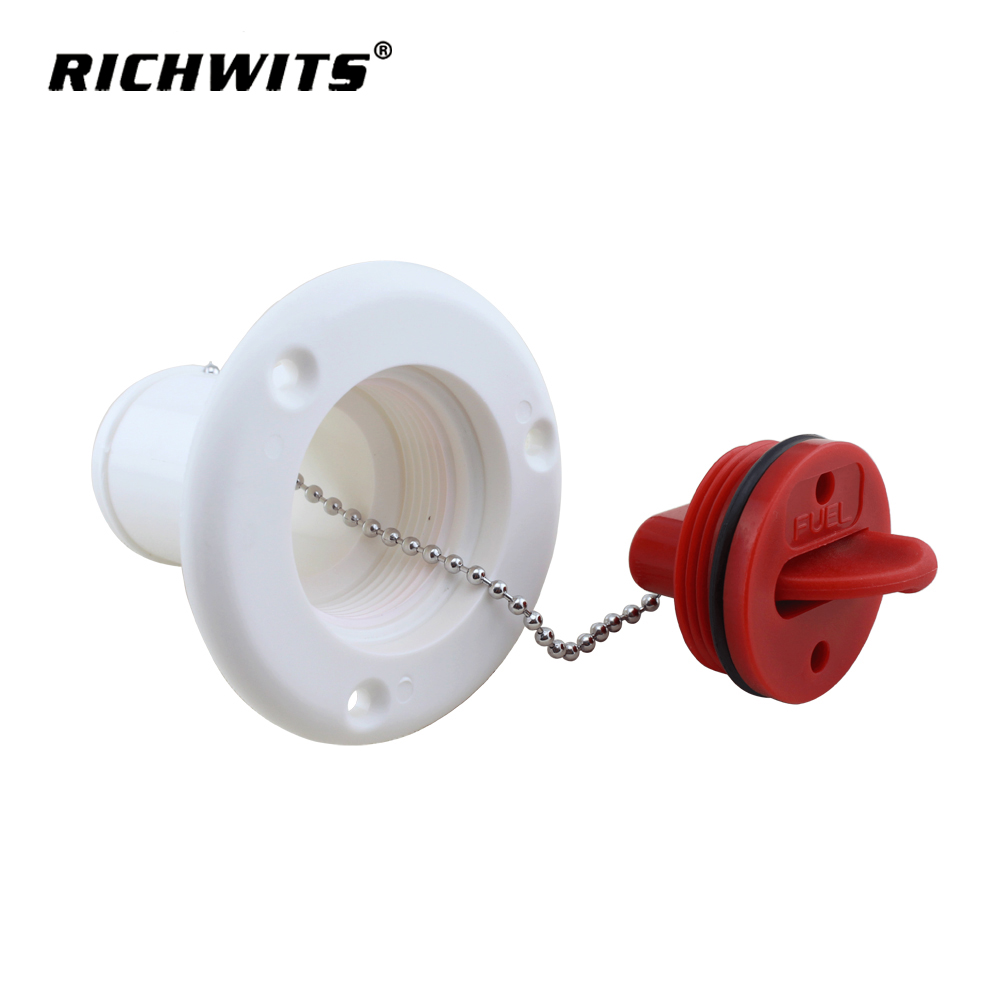
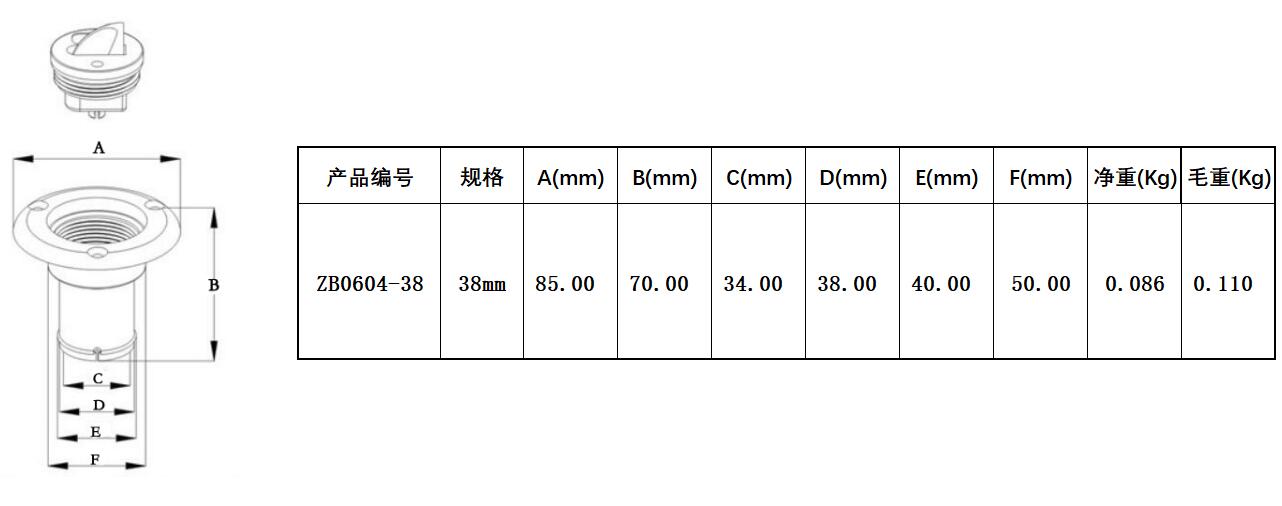
Marine Hardware Deck Filler Socket of Fuel Plastic 38mm
1. Never rusts, resistant to salt water
· Material innovation: Utilizing high-quality engineering plastics such as ABS or nylon, it has inherent immunity to seawater, fresh water, oils, and common chemicals, fundamentally solving the problem of rusting and corrosion of metal parts.
· Long service life: The material has stable performance and can maintain excellent mechanical properties even under ultraviolet rays and harsh weather conditions, with an extremely long service life.
2. Lightweight design enhances energy efficiency
· Extremely light weight: Compared with metal products, the weight is reduced by more than 60%, effectively lowering the weight of the upper part of the ship. This is particularly beneficial for the stability and fuel economy of small vessels.
· Easy installation: The lightweight design makes it easy and effortless for a single person to install and replace.
3. It combines strength and toughness
· High impact strength: Even in low-temperature environments, it can maintain good toughness, capable of withstanding trampling on the deck, heavy object impacts, and minor collisions when ships are docked, without cracking or deforming easily.
· Wear-resistant and durable: With a high surface hardness, it can resist wear and tear caused by sand, stones, ropes, etc.


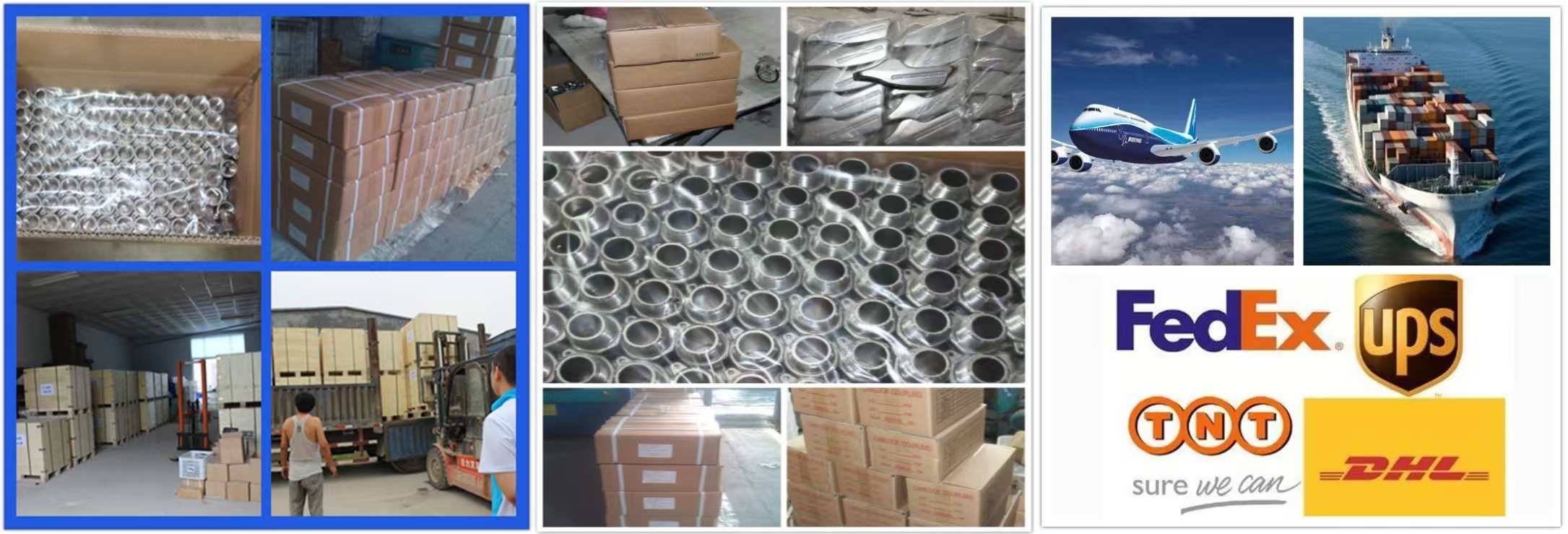
| Packing&Delivery |

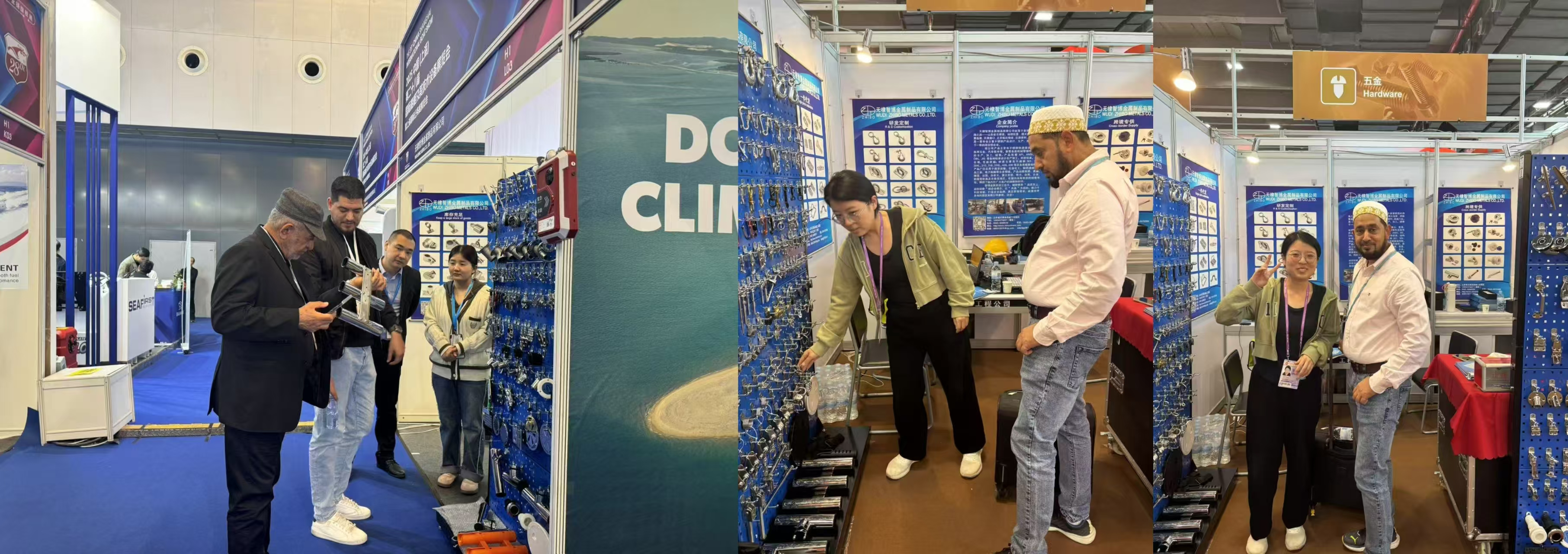
| Exsibition |

| FAQ |
Why is stainless steel (especially type 316) widely used in Marine hardware and rigging?
A: 316 stainless steel (marine-grade stainless steel) contains molybdenum, which gives it excellent resistance to chloride corrosion (i.e., resistance to seawater corrosion) compared to 304 stainless steel. Salt in Marine environments is an extremely lethal corrosive agent. 316 stainless steel can prevent rust and pitting to the greatest extent, ensuring the long-term strength and appearance of equipment.
What are the common types of Marine hardware accessories?
A: There are many types. According to their functions, they can mainly be classified as
· Mooring equipment: mooring piles, cable guides, mooring cables, winches.
· Deck equipment: masts, booms, pulleys, deck drain valves, hatch cover accessories.
· Sail-mounted equipment: used for sailboats, including slide rails, cable-stayed devices, winches, and rope regulators, etc.
· Connecting parts: shackles, rings, D-rings, chain connection rings, used for connecting various ropes and equipment.
· Railings and ladders: guardrails, handrails, gangways and their accessories.
Marine Hardware Deck Filler Socket of Fuel Plastic 38mm
1. Never rusts, resistant to salt water
· Material innovation: Utilizing high-quality engineering plastics such as ABS or nylon, it has inherent immunity to seawater, fresh water, oils, and common chemicals, fundamentally solving the problem of rusting and corrosion of metal parts.
· Long service life: The material has stable performance and can maintain excellent mechanical properties even under ultraviolet rays and harsh weather conditions, with an extremely long service life.
2. Lightweight design enhances energy efficiency
· Extremely light weight: Compared with metal products, the weight is reduced by more than 60%, effectively lowering the weight of the upper part of the ship. This is particularly beneficial for the stability and fuel economy of small vessels.
· Easy installation: The lightweight design makes it easy and effortless for a single person to install and replace.
3. It combines strength and toughness
· High impact strength: Even in low-temperature environments, it can maintain good toughness, capable of withstanding trampling on the deck, heavy object impacts, and minor collisions when ships are docked, without cracking or deforming easily.
· Wear-resistant and durable: With a high surface hardness, it can resist wear and tear caused by sand, stones, ropes, etc.


| Packing&Delivery |

| Exsibition |

| FAQ |
Why is stainless steel (especially type 316) widely used in Marine hardware and rigging?
A: 316 stainless steel (marine-grade stainless steel) contains molybdenum, which gives it excellent resistance to chloride corrosion (i.e., resistance to seawater corrosion) compared to 304 stainless steel. Salt in Marine environments is an extremely lethal corrosive agent. 316 stainless steel can prevent rust and pitting to the greatest extent, ensuring the long-term strength and appearance of equipment.
What are the common types of Marine hardware accessories?
A: There are many types. According to their functions, they can mainly be classified as
· Mooring equipment: mooring piles, cable guides, mooring cables, winches.
· Deck equipment: masts, booms, pulleys, deck drain valves, hatch cover accessories.
· Sail-mounted equipment: used for sailboats, including slide rails, cable-stayed devices, winches, and rope regulators, etc.
· Connecting parts: shackles, rings, D-rings, chain connection rings, used for connecting various ropes and equipment.
· Railings and ladders: guardrails, handrails, gangways and their accessories.