Introduction
Saltwater destroys metal fast. Rust spreads and parts fail. How important is marine grade hardware? Why do professionals choose marine hardware? In this article, we explain marine grade stainless steel hardware and its role in harsh environments. You will also see reliable marine hardware solutions from Wudi Zhibo Metal Co., Ltd.
Why Marine Grade Hardware Is Essential in Marine Environments
Saltwater Corrosion and Its Impact on Standard Hardware
Saltwater is one of the most aggressive environments for metal. Chloride ions in seawater attack the surface of ordinary steel and cause rapid corrosion. Over time, bolts and fittings weaken and may fail under stress. This failure can compromise structural safety and cause expensive damage.
Marine grade hardware is designed to resist these conditions. Special alloy elements form protective layers on the metal surface, preventing corrosion from penetrating the material. These protective properties allow marine hardware to maintain strength even in salty and humid environments.
Structural Safety and Long-Term Reliability
Hardware components often hold critical structural elements together. Deck fittings secure equipment. Fasteners hold structural panels. Rigging hardware supports loads and tension. If these components fail, the entire structure may be compromised.
Marine hardware improves structural reliability because it maintains mechanical strength even after long exposure to moisture and salt. Strong and corrosion-resistant materials ensure safe operation for vessels and offshore structures.
Performance Stability in Harsh Weather Conditions
Marine environments involve constant stress from waves, wind, and temperature changes. Regular hardware often expands, weakens, or corrodes under these conditions. Marine grade materials are engineered to maintain consistent mechanical performance.
They resist UV exposure, temperature fluctuations, and chemical corrosion. This ensures stable performance in both coastal and offshore environments.
Preventing Costly Equipment Failures
Replacing corroded hardware is expensive and time-consuming. In marine industries, downtime can disrupt operations and increase maintenance costs. Investing in marine grade hardware helps reduce these risks.
Note: Using lower-grade hardware may appear cheaper at first, but long-term replacement and maintenance costs often exceed the initial savings.

What Makes Marine Grade Hardware Different from Regular Hardware
Specialized Materials Designed for Corrosion Resistance
Marine hardware is usually produced from corrosion-resistant alloys. These materials include stainless steel, bronze, aluminum alloys, and copper-nickel metals. They are engineered to withstand water exposure and aggressive salt environments.
These metals contain alloying elements that slow oxidation and prevent rust formation. This makes marine hardware significantly more durable than ordinary steel components.
Protective Oxide Layers in Stainless Steel
Stainless steel contains chromium. This element reacts with oxygen and forms a thin oxide layer on the metal surface. The layer protects the material from further corrosion.
Even if the surface becomes scratched, the oxide film can regenerate. This self-protecting feature makes stainless steel ideal for marine hardware and structural fittings.
Alloying Elements That Improve Durability
Many marine metals include elements such as molybdenum, nickel, and manganese. These additions improve strength, corrosion resistance, and structural stability. In high-salt environments, these alloys perform much better than ordinary steel.
Many professional marine hardware manufacturers use high-quality stainless steel and other corrosion-resistant alloys to extend service life in offshore applications.
Marine Grade Stainless Steel: The Most Common Marine Hardware Material
Why Stainless Steel Is Widely Used in Marine Hardware
Stainless steel is one of the most common materials used in marine hardware. It combines durability, corrosion resistance, and mechanical strength. These properties make it suitable for boat structures, fasteners, fittings, and rigging equipment.
It also requires relatively low maintenance. With proper care, stainless steel components can last many years in marine environments.
Stainless Steel in Marine Environments
Marine stainless steel contains elements such as chromium and nickel. These materials provide strong corrosion resistance and structural strength. They are widely used in boat fittings, dock equipment, and marine connectors.
In environments with continuous salt exposure, higher-performance marine alloys provide stronger protection against corrosion and surface damage.
High-Performance Stainless Steel for Offshore Applications
Certain marine stainless steel alloys contain additional elements that improve resistance to chloride corrosion. These materials perform better in saltwater conditions and offshore environments.
Because of their durability, these stainless steel materials are commonly used for shackles, hinges, anchors, deck fittings, and other marine components.
Material Type | Key Alloy Elements | Corrosion Resistance | Typical Applications |
Marine Stainless Steel | Chromium, Nickel | Moderate to High | Boat fittings, marine hardware |
Enhanced Marine Alloy | Chromium, Nickel, Alloy elements | High | Deck fittings, saltwater hardware |
Heavy-Duty Marine Alloy | Chromium, Nickel, Enhanced alloy mix | Very High | Offshore equipment, heavy-duty marine hardware |
Tip: For saltwater environments, high-performance marine stainless steel is usually the safest choice for marine hardware.
Key Benefits of Using Marine Hardware
Superior Corrosion Resistance
Marine grade metals are engineered to resist rust and chemical corrosion. This resistance allows hardware to function reliably even after continuous exposure to seawater. In marine environments, salt, humidity, and temperature fluctuations constantly attack metal surfaces. High-quality marine hardware uses corrosion-resistant alloys that form protective layers on the surface, slowing oxidation and preventing structural weakening.
This protection is essential for boats, offshore platforms, and coastal equipment where hardware is exposed to harsh conditions every day. By resisting corrosion, marine hardware maintains structural strength and ensures long-term performance in demanding marine environments.
Longer Service Life
Because of their protective alloy composition, marine grade components often last many years. Proper maintenance further increases their lifespan. Unlike standard hardware that may rust quickly in saltwater conditions, marine hardware is designed to withstand repeated exposure to moisture, wind, and UV radiation.
The durability of these materials reduces the need for frequent replacements. For boat owners and marine engineers, longer service life means improved operational reliability and better return on investment. Over time, choosing marine hardware becomes a practical and economical decision.
Reduced Maintenance Requirements
Marine hardware requires less frequent replacement and fewer repairs. This helps reduce maintenance costs for boat owners and industrial operators. Corrosion-resistant materials remain stable even under constant environmental stress, minimizing the need for ongoing repairs.
When hardware lasts longer and maintains its performance, operators spend less time inspecting, replacing, or repairing components. This is particularly valuable for offshore installations and large vessels where maintenance operations can be expensive and complex.
Improved Safety and Reliability
Reliable hardware protects critical marine systems. Strong and corrosion-resistant components reduce the risk of mechanical failure. In marine engineering, hardware often supports structural loads, safety equipment, and navigation systems.
If a single fastener or fitting fails, it may affect the stability of an entire structure. Marine grade hardware reduces this risk by maintaining strength and durability over time. This reliability ensures safe operations for ships, offshore facilities, and marine infrastructure.
Feature | Marine Hardware | Standard Hardware |
Corrosion Resistance | High | Low |
Service Life | Long | Short |
Maintenance Cost | Lower long term | Higher long term |
Structural Reliability | High | Moderate |
Common Types of Marine Hardware and Their Applications
Marine Fasteners and Bolts
Marine fasteners include bolts, nuts, screws, and threaded rods. These components secure structural parts and maintain mechanical stability in marine systems. They are commonly used to connect hull structures, deck equipment, and structural supports.
Because these fasteners are exposed to seawater and constant vibration, corrosion resistance is essential. Marine-grade fasteners maintain their strength even in harsh conditions, helping ensure that marine structures remain secure and stable.

Marine Fittings and Connectors
Fittings such as shackles, eye bolts, hinges, and deck connectors are used across marine vessels. They connect rigging systems, structural components, and mechanical equipment. These parts often handle significant mechanical loads and must remain reliable in wet environments.
High-quality marine fittings provide smooth operation and long-term durability. They help maintain secure connections between components while resisting corrosion and mechanical wear.
Marine Ropes and Rigging Hardware
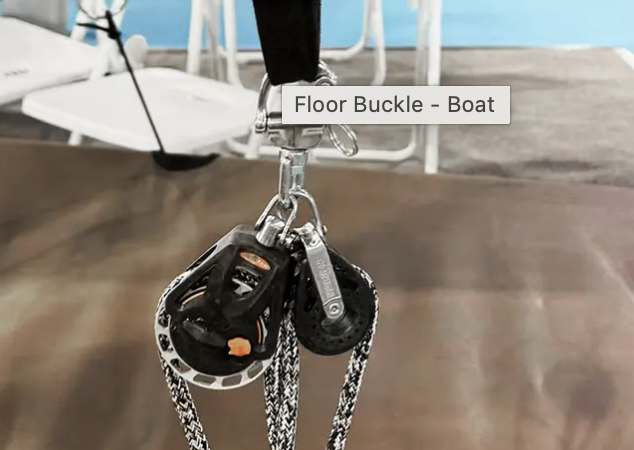
Rigging hardware supports ropes and cables used in sailing systems. Stainless steel fittings provide strength and corrosion resistance. These components allow ropes and wire systems to operate safely under tension while maintaining flexibility and control.
Rigging hardware is essential for sailing vessels, lifting systems, and marine equipment where reliable load support is required. Durable materials ensure that these systems remain stable even during strong winds or rough sea conditions.
Deck Hardware and Boat Accessories
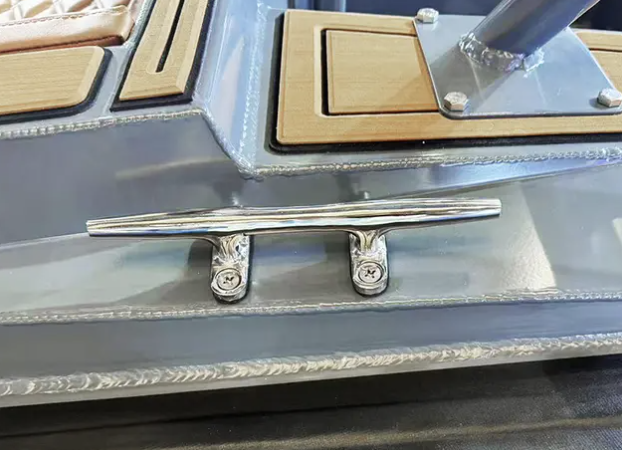
Deck equipment includes cleats, latches, hatches, and rail fittings. These components improve both safety and operational convenience. Deck hardware helps secure ropes, anchor systems, and safety equipment while allowing crew members to operate efficiently on board.
High-quality deck hardware also enhances the durability of marine structures by resisting corrosion and mechanical wear. Manufacturers like Zhibo Metal produce a wide range of marine hardware including anchors, deck fittings, shackles, and rigging components through precision investment casting and machining processes to ensure dimensional accuracy and corrosion resistance in marine environments.
Hardware Type | Function | Typical Location |
Marine Fasteners | Structural connections | Hull, deck structures |
Rigging Hardware | Cable support | Mast and sailing systems |
Deck Fittings | Equipment mounting | Boat deck |
Marine Connectors | Component linking | Structural joints |
Marine Hardware Beyond Boats: Industrial and Offshore Applications
Offshore Platforms and Marine Infrastructure
Marine grade hardware is widely used in offshore platforms, pipelines, and underwater structures. These installations face constant exposure to seawater and strong environmental forces. Durable hardware ensures that structural connections remain stable even under heavy loads and corrosive conditions.
In offshore engineering, equipment failure can lead to serious safety risks and costly downtime. For this reason, corrosion-resistant hardware is essential for maintaining reliable operations.
Shipbuilding and Cargo Vessels
Large cargo ships and naval vessels rely on durable marine metals to withstand long-term water exposure and mechanical stress. Hardware components hold together structural sections, support equipment, and secure cargo systems.
Because ships operate continuously in harsh ocean environments, high-performance marine hardware ensures structural stability and long-term operational reliability.
Ports, Docks, and Coastal Facilities
Dock structures, harbor installations, and coastal engineering projects require corrosion-resistant materials. Marine hardware ensures these structures remain stable and reliable even when exposed to tides, waves, and changing weather conditions.
Reliable hardware helps maintain safe docking operations, supports heavy loads, and protects infrastructure from long-term corrosion damage.
How to Choose the Right Marine Grade Hardware
Consider the Environment
Freshwater environments require moderate corrosion resistance. Saltwater environments require stronger protection, making higher-grade materials more suitable. Understanding the environmental conditions helps ensure that the selected hardware performs reliably over time.
Evaluate Load Strength and Application Requirements
Different hardware types support different loads. Engineers must consider mechanical stress and structural requirements before selecting materials. Hardware used in rigging or lifting systems must be able to handle dynamic loads and constant movement.
Look for Certified Marine Materials
Industry certifications and quality standards help ensure that hardware meets corrosion resistance and durability requirements. Certified materials provide confidence that the hardware can perform reliably in demanding marine environments.
Balance Quality and Cost
High-quality marine hardware may cost more initially. However, the extended lifespan and reduced maintenance costs provide better long-term value. Investing in durable materials helps prevent expensive repairs and equipment failures.
Tip: Always match the hardware material to the operating environment.
Maintenance Tips to Extend the Life of Marine Hardware
Rinse Hardware with Fresh Water After Exposure
Salt deposits accumulate on metal surfaces and accelerate corrosion. Washing hardware with fresh water helps remove salt and debris. This simple step helps maintain the protective surface layer on marine metals.
Dry Components to Prevent Moisture Damage
After cleaning, drying metal surfaces reduces moisture accumulation and prevents water spots. Removing residual water helps prevent long-term corrosion and maintains the appearance of stainless steel hardware.
Use Stainless Steel Cleaners
Cleaning agents help remove surface contaminants and maintain the protective oxide layer. Proper cleaning products also restore shine and help maintain corrosion resistance.
Perform Regular Inspections
Routine inspections identify corrosion early. Early detection allows timely repairs and prevents structural damage. Checking fasteners, connectors, and fittings regularly ensures that marine systems remain safe and reliable.
Note: Even corrosion-resistant metals require periodic maintenance to achieve their full lifespan.
Marine Hardware vs Standard Hardware: A Quick Comparison
Corrosion Resistance
Marine hardware performs better in wet and salty environments because it contains corrosion-resistant alloys. Standard hardware often rusts quickly when exposed to seawater.
Durability and Longevity
Marine materials maintain strength over long periods. Standard metals often deteriorate quickly in marine conditions, requiring frequent replacement.
Safety and Structural Performance
Using marine grade hardware ensures safe and reliable performance in marine engineering and boating applications. Its durability and corrosion resistance help protect both equipment and infrastructure.
Conclusion
Marine environments are harsh and quickly damage ordinary metal components. Marine grade hardware resists corrosion and improves long-term durability in saltwater conditions. It protects boats, offshore systems, and coastal structures from structural failure. High quality stainless steel hardware extends service life and reduces maintenance costs. Wudi Zhibo Metal Co., Ltd provides reliable marine hardware and precision casting services, delivering corrosion-resistant components with stable performance for demanding marine applications.
FAQ
Q: Why is marine grade hardware important for boats?
A: Marine grade hardware resists saltwater corrosion. It keeps marine hardware strong and safe in harsh ocean environments.
Q: What materials are used in marine grade hardware?
A: Most marine grade hardware uses corrosion-resistant stainless steel marine alloys designed for long-term durability.
Q: How do you choose marine hardware for saltwater use?
A: Choose marine hardware made from high-quality stainless steel marine fittings designed for strong saltwater protection.
Q: Is marine grade hardware more durable than standard hardware?
A: Yes. Marine grade stainless steel hardware lasts longer and requires less maintenance in marine environments.