Product Overview
Outdoor Sports Metal Marine Hardware Aviation Aluminum D-shaped Carabiner – Model ZB6002
Engineered for climbers, sailors and hammock campers who count every gram, ZB6002 delivers 12 kN strength at only 28 g.
Hot-forged from 7075-T6 aviation aluminium, hard-anodised 12 μm for lifetime immunity to salt spray, chalk dust and UV fade.
Auto-spring gate snaps open 14.5 mm—wide enough for 25 mm webbing, dock lines or yoga slings—yet locks shut under side-load to prevent accidental roll-out.
Smooth D-geometry (48 × 80 mm) minimises rope wear; rounded 10 mm basket keeps hammock straps flat and twist-free.
Dimension & Weight
Key Features & Benefits
7075-T6 Aviation Alloy – 12 kN rated, 50 % lighter than steel—cuts pack weight.
12 μm Hard-Anodise – 720 h salt-spray, chalk-proof, no black hands.
Auto-Spring Gate 14.5 mm – one-hand clip-in; locks under load for insurance-grade security.
10 mm Rounded Basket – keeps hammock or dock line flat, prevents twist and wear.
Smooth D-Shape – radius 48 mm minimises rope bend; no sharp edges to snag sails.
Ultra-Light 28 g – forget-it’s-there weight for EDC, backpacking or aerial yoga rigs.
Marine & Mountain Ready – identical unit is sold to yacht riggers and rock gyms—one biner, every sport.
Usage Scenarios
Hammock / Swing Suspension – clip to tree-strap, dock eye or porch beam—no rust stains.
Rock Climbing & Top-Rope Anchors – CE/UIAA certified backup biner for belay stations.
Aerial Yoga & Pilates – lock onto silk, trapeze or marine-grade rigging; gate prevents roll-out.
Sailing & Dock Lines – salt-proof, light-weight hook for fenders, jib sheets or kayak tow.
Certifications
Why Choose RICHWITS
Factory-Direct – wholesale & retail welcomed, 30 % cost saving vs. big-brand equal.
In-Stock – 30 000 pcs ready, MOQ 100 pcs, 48 h dispatch.
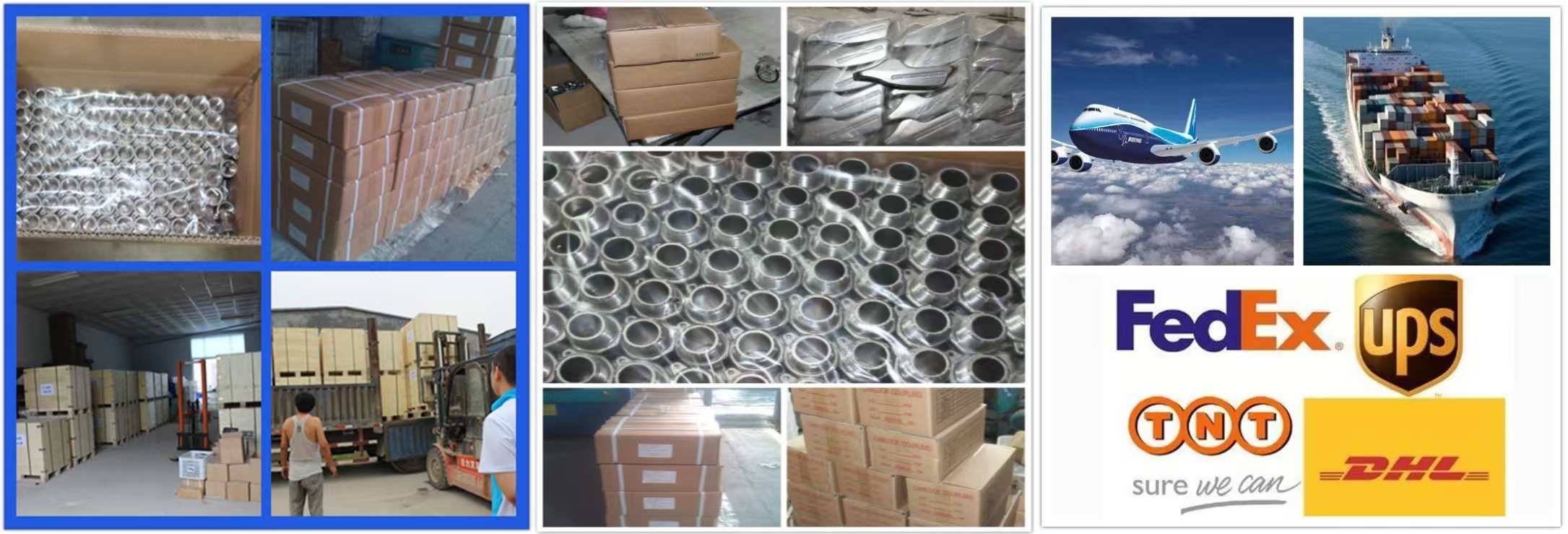
Fast Logistics – FedEx/UPS/DHL global 3-7 day delivery.
OEM/ODM – custom colour, gate tension or laser-logo within 2 weeks.
Test Certificates – CE report, proof-load sheet, salt-spray certificate supplied free.
FAQ
Q1: Is this biner certified for climbing?
A1: Yes—CE EN 12275 Type B & UIAA 121; 12 kN major axis, proof-loaded to 8 kN.
Q2: Will the gate spring rust in salt air?
A2: No—spring is 302 stainless, Teflon-washed; 720 h salt-spray tested.
Q3: Can I use it for hammock suspension?
A3: Absolutely—12 kN = 1 200 kgf static; safety factor > 5 for typical hammock loads.
Q4: What gate opening do I get?
A4: 14.5 mm clears 25 mm yoga slings, double webbing or 10 mm chain—one-hand snap.
Q5: Are custom colours possible?
A5: Yes—black, blue, red, purple hard-anodise from 500 pcs; laser logo included.
Q6: Do you offer test certificates?
Packing & Delivery

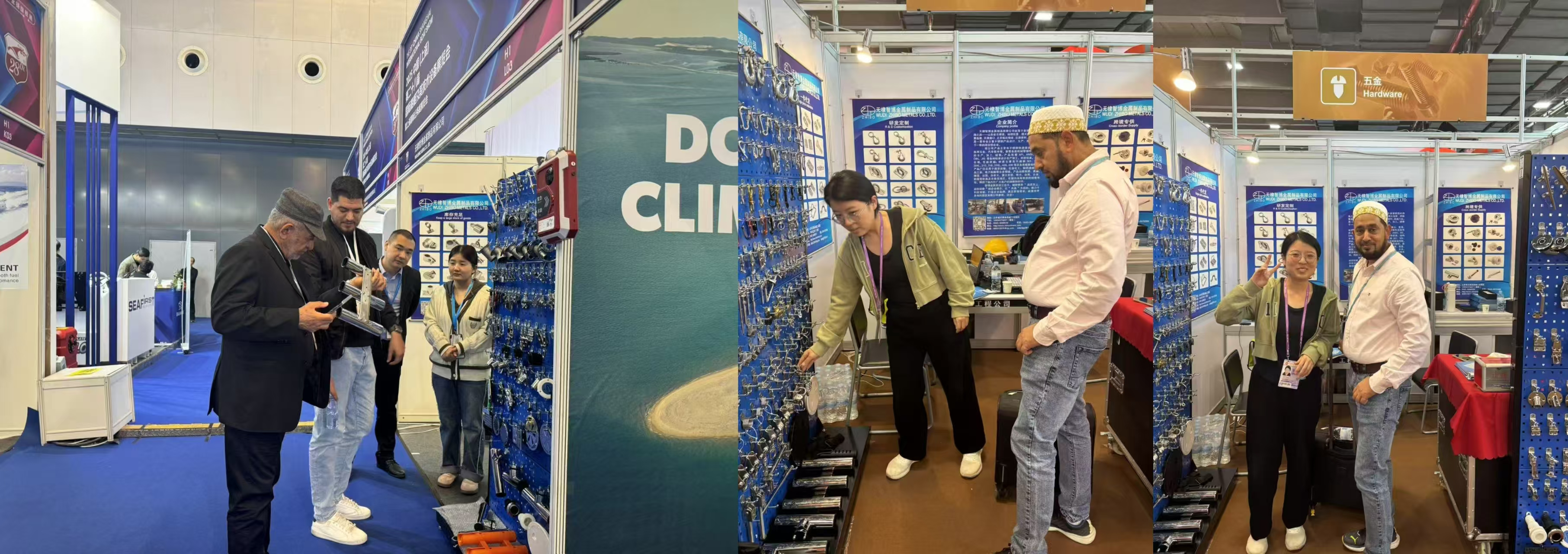
Exihibition

1. Why does stainless steel have magnetism?
Often, people use magnets to test the quality of stainless steel. If a magnet doesn't attract and has no magnetism, it is genuine and of good value. On the contrary, it is regarded as a counterfeit. In fact, this is an extremely one-sided and unrealistic method of wrong identification.
Austenitic stainless steel is non-magnetic or weakly magnetic. Martensitic or ferritic stainless steel is magnetic. However, when austenitic stainless steel undergoes cold working, the microstructure of the processed area will also transform into martensite. The greater the degree of processing deformation, the more martensitic transformation occurs and the greater the magnetic property. The material of the product will not change. More professional methods should be adopted to test the material of stainless steel. (Spectral detection, stainless steel identification liquid detection).
2. Why does stainless steel rust?
a. When dust containing other metal elements or particles of dissimilar metals accumulate on the surface of stainless steel, in a humid environment, the condensate water between the adherent and the stainless steel forms a micro-battery, triggering an electrochemical reaction and damaging the protective film. This is known as electrochemical corrosion.
b. When organic substances such as vegetable juice, noodle soup, and phlegm adhere to the surface of stainless steel, they form organic acids in the presence of water and oxygen. Over a long period of time, these organic acids will corrode the metal surface.
c. The stainless steel surface adheres to substances containing acids, alkalis and salts (such as splashed alkali water and lime water during wall decoration), causing local corrosion.
d. In polluted air (such as that containing large amounts of sulfides, carbon oxides, and nitrogen oxides), upon encountering condensation water, liquid spots of sulfuric acid, nitric acid, and acetic acid are formed, causing chemical corrosion.