ZB0503
RICHWITS
ZB0503
| size: | |
|---|---|
| Availability: | |
| Quantity: | |
| min order: 10 | |
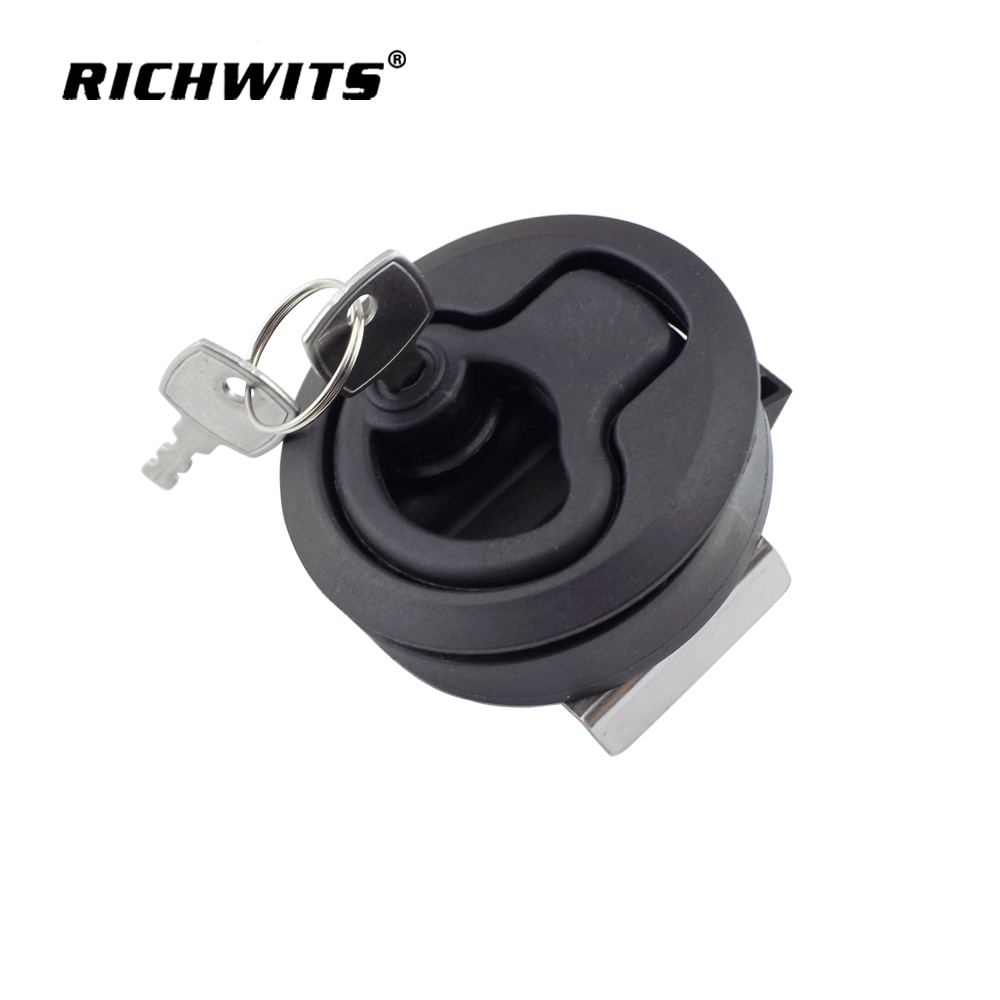
It is made of high-quality ABS engineering plastic and precisely manufactured. Corrosion-resistant and rust-free. Sturdy and durable.
Rigorous craftsmanship
Simple to install and convenient to use. The surface is treated with a frosted finish, presenting a high-end and elegant look.
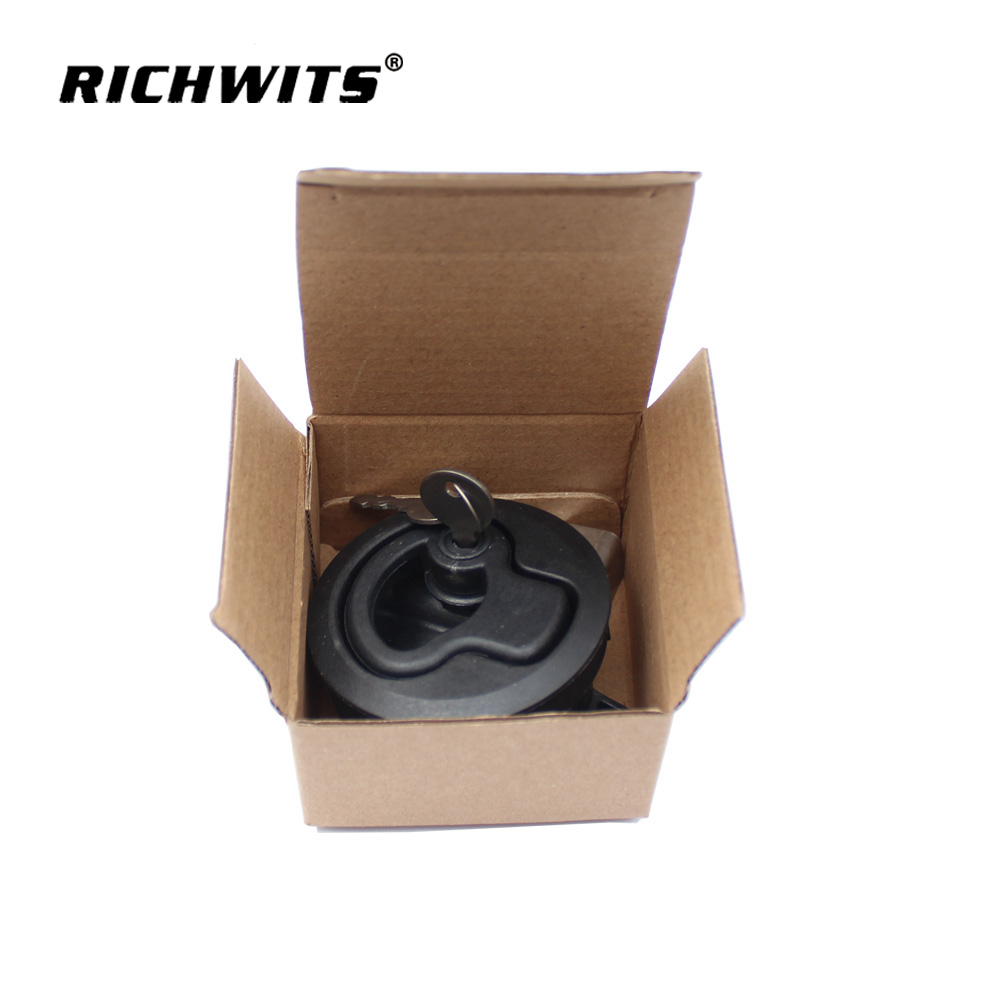
It is independently packaged in paper boxes. Effectively prevent bumps and scratches during transportation.
| Product Name | Plastic Marine Latch |
| Application | Boat Hardware Fitting |
| Packing | bubble bag + carton |
| Material | plastic |
| Lead time | 2-15 days. |


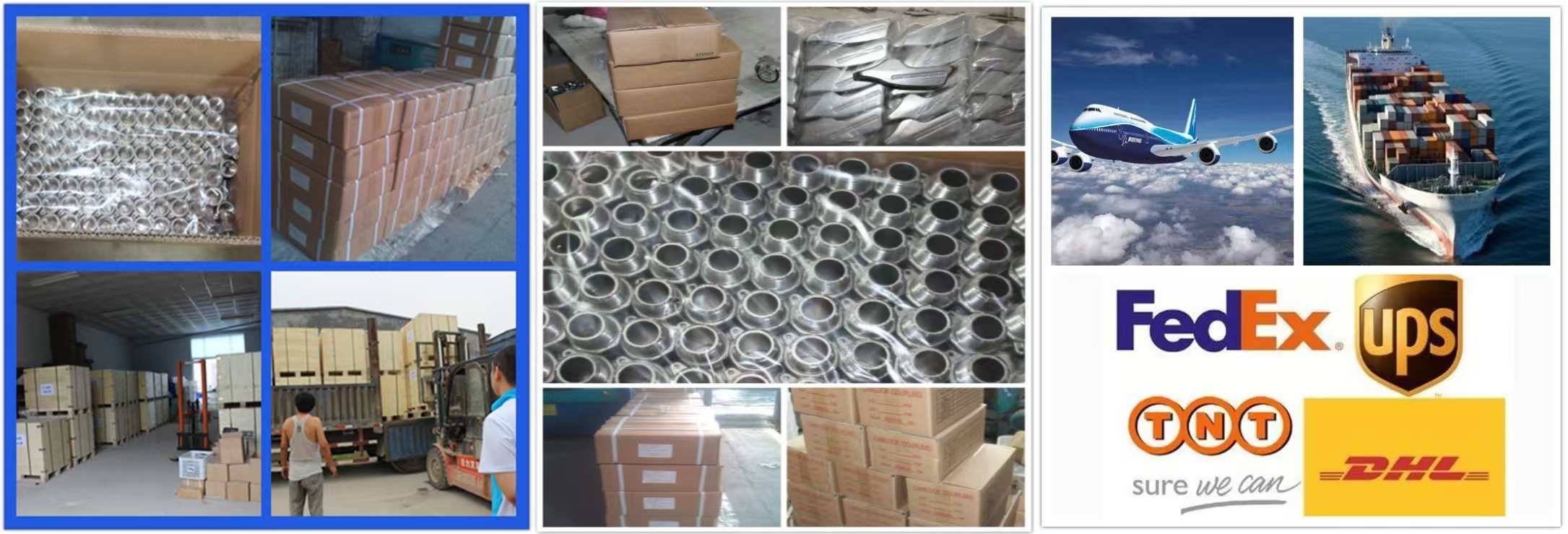
| Packing and Delivery |

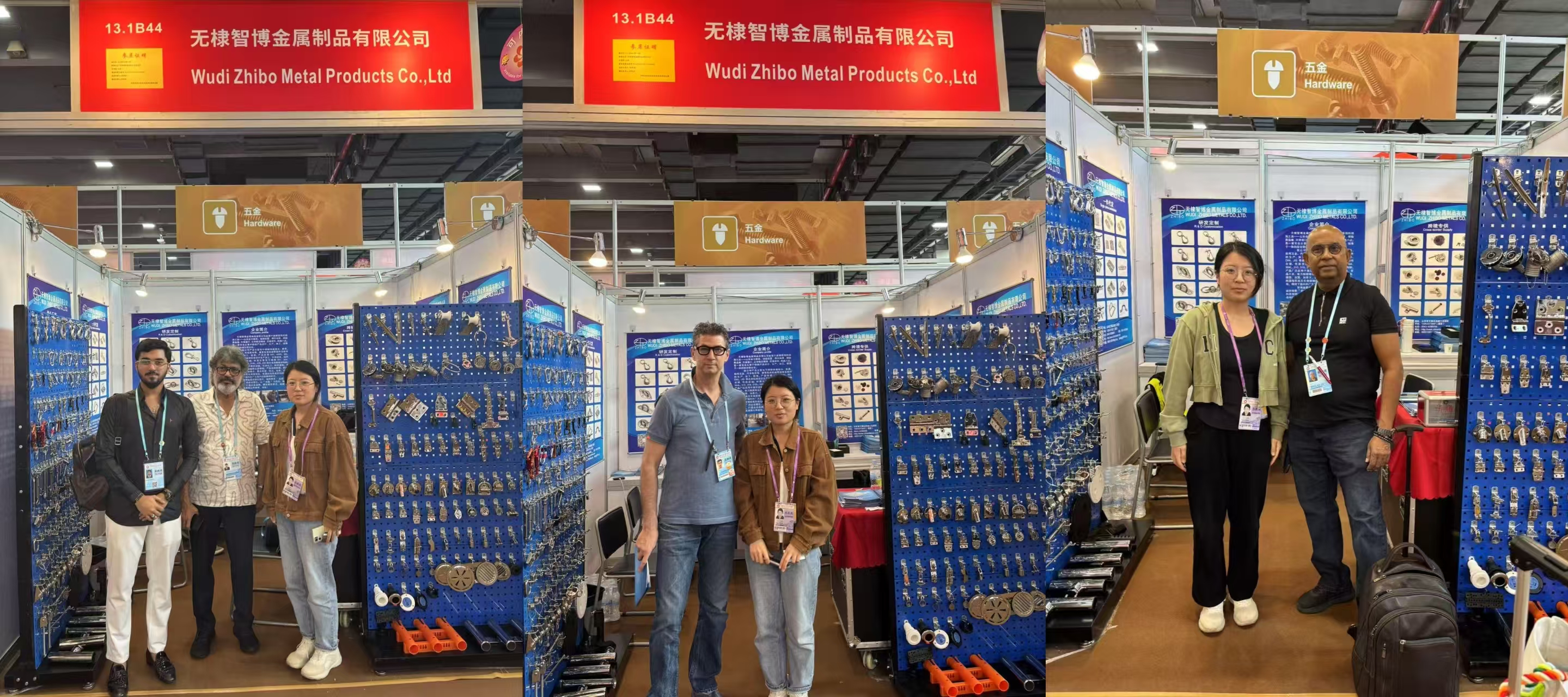
| Exsibition |

| FAQ: |
1.Why does stainless steel have magnetism?
Answer: Often, people use magnets to test the quality of stainless steel. If a magnet doesn't attract and has no magnetism, it is genuine and of good value. On the contrary, it is regarded as a counterfeit. In fact, this is an extremely one-sided and unrealistic method of wrong identification.
Austenitic stainless steel is non-magnetic or weakly magnetic. Martensitic or ferritic stainless steel is magnetic. However, when austenitic stainless steel undergoes cold working, the microstructure of the processed area will also transform into martensite. The greater the degree of processing deformation, the more martensitic transformation occurs and the greater the magnetic property. The material of the product will not change. More professional methods should be adopted to test the material of stainless steel. (Spectral detection, stainless steel identification liquid detection).
2.What does "marine-grade stainless steel" mean? Why is it special?
Answer:
A:Marine-grade stainless steel is an specifically formulated to resist corrosion in harsh saltwater environments. The key element is a high chromium content, which forms a passive, protective chromium oxide layer on the surface. The most critical additive is Molybdenum (2-3%), which drastically improves resistance to pitting and crevice corrosion, the primary threats in seawater. The most common marine grade is 316 stainless steel, often referred to as "A4" in the metric system.
It is made of high-quality ABS engineering plastic and precisely manufactured. Corrosion-resistant and rust-free. Sturdy and durable.
Rigorous craftsmanship
Simple to install and convenient to use. The surface is treated with a frosted finish, presenting a high-end and elegant look.
It is independently packaged in paper boxes. Effectively prevent bumps and scratches during transportation.
| Product Name | Plastic Marine Latch |
| Application | Boat Hardware Fitting |
| Packing | bubble bag + carton |
| Material | plastic |
| Lead time | 2-15 days. |


| Packing and Delivery |

| Exsibition |

| FAQ: |
1.Why does stainless steel have magnetism?
Answer: Often, people use magnets to test the quality of stainless steel. If a magnet doesn't attract and has no magnetism, it is genuine and of good value. On the contrary, it is regarded as a counterfeit. In fact, this is an extremely one-sided and unrealistic method of wrong identification.
Austenitic stainless steel is non-magnetic or weakly magnetic. Martensitic or ferritic stainless steel is magnetic. However, when austenitic stainless steel undergoes cold working, the microstructure of the processed area will also transform into martensite. The greater the degree of processing deformation, the more martensitic transformation occurs and the greater the magnetic property. The material of the product will not change. More professional methods should be adopted to test the material of stainless steel. (Spectral detection, stainless steel identification liquid detection).
2.What does "marine-grade stainless steel" mean? Why is it special?
Answer:
A:Marine-grade stainless steel is an specifically formulated to resist corrosion in harsh saltwater environments. The key element is a high chromium content, which forms a passive, protective chromium oxide layer on the surface. The most critical additive is Molybdenum (2-3%), which drastically improves resistance to pitting and crevice corrosion, the primary threats in seawater. The most common marine grade is 316 stainless steel, often referred to as "A4" in the metric system.