ZB7602
RICHWITS
ZB7602
| SIZE: | |
|---|---|
| Material: | |
| Availability: | |
| Quantity: | |
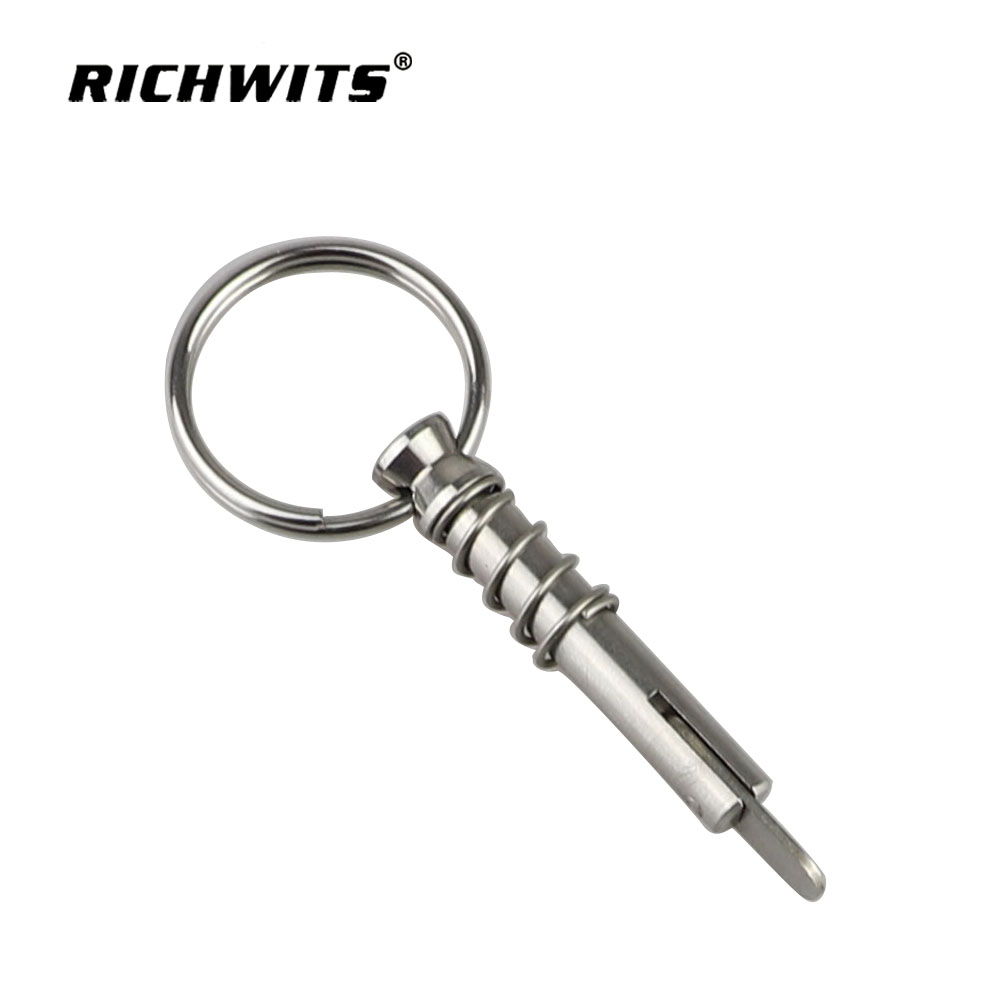
The RICHWITS 316 Stainless Steel Pin Shaft (Model ZB7602) is designed for locking and securing components in demanding industrial and marine environments. With dimensions of 6.3 mm diameter and 42 mm length, it offers a compact yet robust locking solution that integrates seamlessly into manufacturing safety systems, marine deck fittings, caravans, and home hardware setups.
Premium 316 stainless steel material – delivering superior corrosion resistance even in salt-water, humid or harsh chemical environments.
Precision manufactured size (6.3 × 42 mm) – ensures consistent fit and smooth operation.
Simple and rapid installation – easy to use and mount in factory setups, marine vents, yacht fittings or home hardware applications.
Corrosion-resistant and durable – built to withstand outdoor, marine or industrial exposure without degrading.
Low MOQ & stock availability – most items are stocked, supporting small-volume orders and fast delivery.
| Model | Material | Size (Ø×L mm) | Thread / Shaft Type | Typical Load Capacity* | Surface Finish | Remarks |
|---|---|---|---|---|---|---|
| ZB7602 | 316 Stainless Steel | 6.3 × 42 | Straight shaft / locking type | (to be tested) | Natural/mirror polish | Standard stock size; custom sizes available |
* Load capacity should be tested according to customer’s application and installation conditions.
Please refer to the specifications table for detailed size, material and finish information. Custom sizes or threads can be accommodated upon request.
Material: High-quality 316 austenitic stainless steel, recognized for its excellent performance in chloride environments and superior durability compared with standard 304 stainless steel.
Surface Finish: Supplied in a natural stainless steel finish; mirror polish or custom surface treatments available optionally for aesthetic or high-visibility applications.
Corrosion Protection: Suitable for offshore, marine and industrial applications where exposure to salt spray, high humidity or chemical contaminants is expected.
Factory Safety Locking Systems: Used in production lines, machining centers, safety gates or protective enclosures to lock or secure moving parts.
Marine & Yacht Hardware: Ideal for securing vents, hatches, or structural locking components on boats, yachts or caravans.
Home & Architectural Use: Can serve as a locking pin for garage doors, awnings, balcony structures, or heavy-duty hardware in outdoor settings.
Caravan & Outdoor Equipment: Suitable for securing panels, frames or structural supports in mobile homes or outdoor rigs.
Select the correct size and shaft type according to the mounting hole or locking mechanism.
Ensure the housing and mounting surface are flat and clean to allow full engagement of the shaft.
Use matching stainless steel fasteners to avoid galvanic corrosion.
When used in marine environments, apply a suitable anti-seize or protective lubricant on contact surfaces to extend life.
Regularly inspect the pin shaft for wear or corrosion, especially in high-stress applications.
Q1: Why choose 316 stainless steel instead of 304 for this pin shaft?
A1: 316 stainless steel contains molybdenum, which enhances corrosion resistance especially in chloride or salt-spray environments. For marine or outdoor applications, 316 is significantly more durable.
Q2: Can I request custom sizes or finishes?
A2: Yes. We accept custom dimensions, thread types, and finishes (mirror polish, powder coated, etc.). Please contact us with your drawing or specification.
Q3: What is the typical load capacity of this pin shaft?
A3: Load capacity depends on installation conditions, housing materials and mounting method. Please contact us with your specific application for a load assessment.
Q4: Will the stainless steel pin shaft rust over time?
A4: When correctly installed using stainless fasteners and maintained, 316 stainless steel will resist rust and corrosion for long-term use even in harsh environments.
Minimum Order Quantity (MOQ): 100 pcs (stock quantities may allow smaller orders).
Lead time: Typically 5–7 days for standard size items, 15–20 days for custom orders.
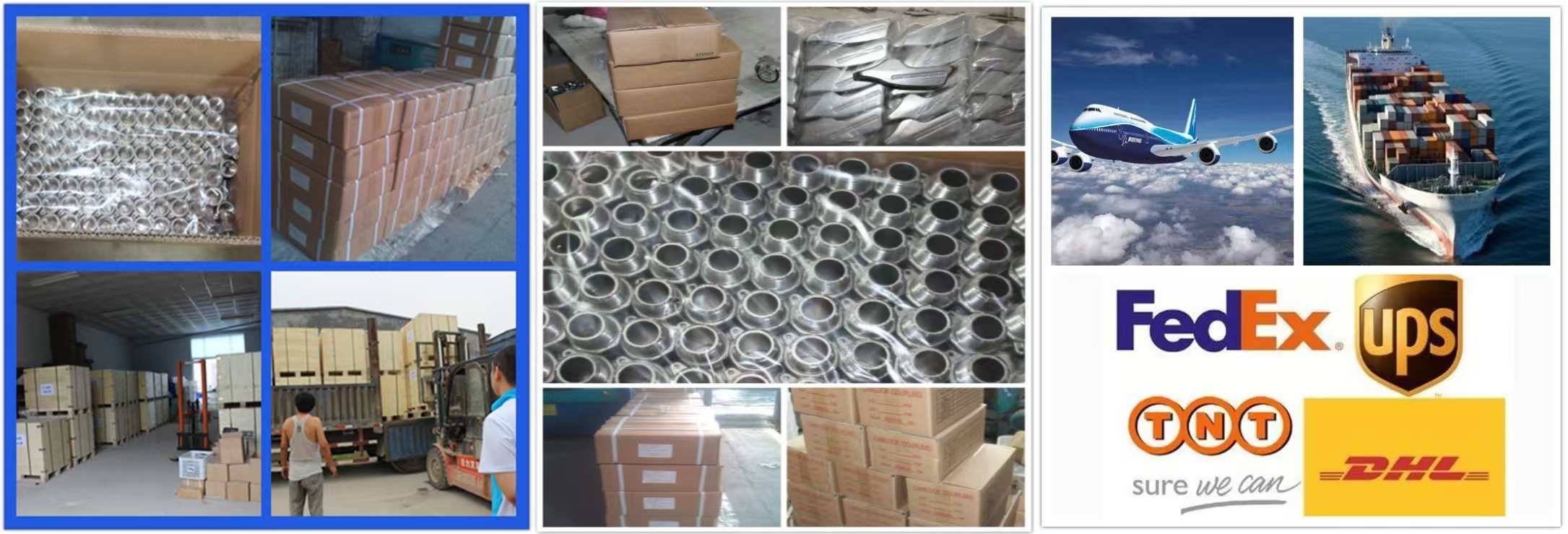
Packaging: Individual items packed in protective poly bags, then placed in quality export cartons.
Shipping: We support delivery by sea, air or express (DHL/FedEx) depending on urgency.
RICHWITS is a professional manufacturer specializing in high-quality stainless steel hardware for marine, industrial and architectural use. With over 10 years of export experience, we provide OEM/ODM services, custom engineering support and global logistics. Choosing us means reliable quality, on-time delivery and global support.
*size: 6.3*42


| Packing&Delivery |

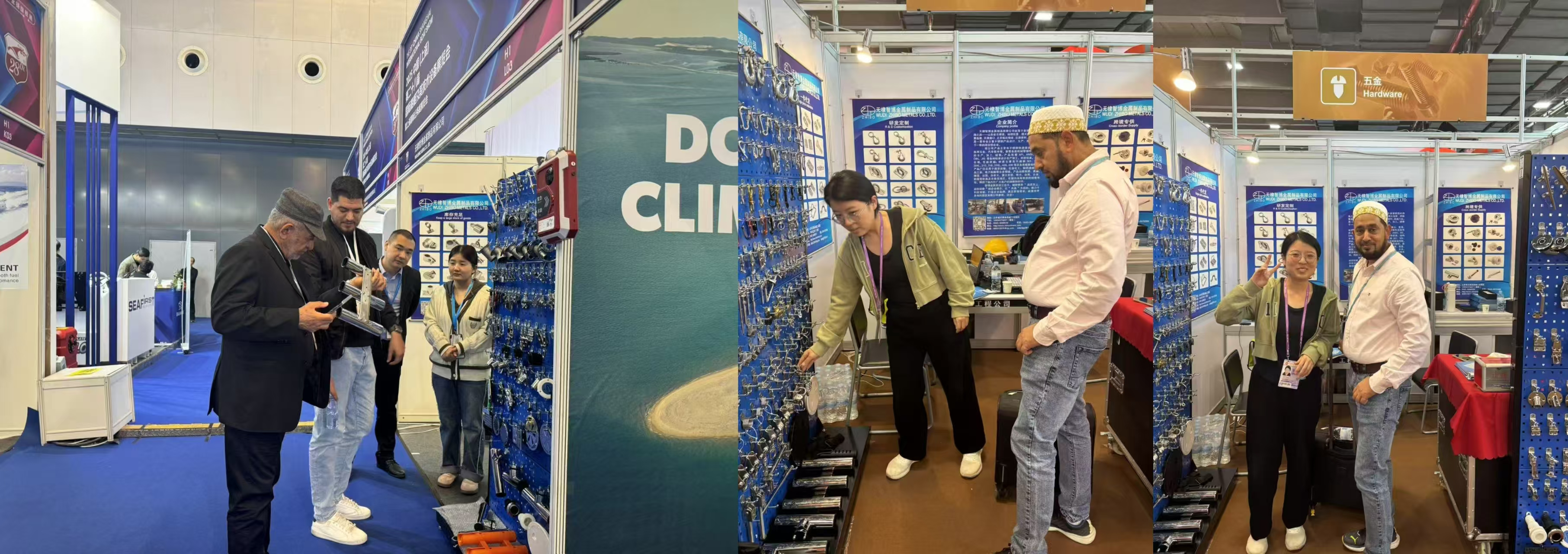
| Exsibition |

| FAQ |
1. Why does stainless steel have magnetism?
Often, people use magnets to test the quality of stainless steel. If a magnet doesn't attract and has no magnetism, it is genuine and of good value. On the contrary, it is regarded as a counterfeit. In fact, this is an extremely one-sided and unrealistic method of wrong identification.
Austenitic stainless steel is non-magnetic or weakly magnetic. Martensitic or ferritic stainless steel is magnetic. However, when austenitic stainless steel undergoes cold working, the microstructure of the processed area will also transform into martensite. The greater the degree of processing deformation, the more martensitic transformation occurs and the greater the magnetic property. The material of the product will not change. More professional methods should be adopted to test the material of stainless steel. (Spectral detection, stainless steel identification liquid detection).
2. Why does stainless steel rust?
a. When dust containing other metal elements or particles of dissimilar metals accumulate on the surface of stainless steel, in a humid environment, the condensate water between the adherent and the stainless steel forms a micro-battery, triggering an electrochemical reaction and damaging the protective film. This is known as electrochemical corrosion.
b. When organic substances such as vegetable juice, noodle soup, and phlegm adhere to the surface of stainless steel, they form organic acids in the presence of water and oxygen. Over a long period of time, these organic acids will corrode the metal surface.
c. The stainless steel surface adheres to substances containing acids, alkalis and salts (such as splashed alkali water and lime water during wall decoration), causing local corrosion.
d. In polluted air (such as that containing large amounts of sulfides, carbon oxides, and nitrogen oxides), upon encountering condensation water, liquid spots of sulfuric acid, nitric acid, and acetic acid are formed, causing chemical corrosion.
The RICHWITS 316 Stainless Steel Pin Shaft (Model ZB7602) is designed for locking and securing components in demanding industrial and marine environments. With dimensions of 6.3 mm diameter and 42 mm length, it offers a compact yet robust locking solution that integrates seamlessly into manufacturing safety systems, marine deck fittings, caravans, and home hardware setups.
Premium 316 stainless steel material – delivering superior corrosion resistance even in salt-water, humid or harsh chemical environments.
Precision manufactured size (6.3 × 42 mm) – ensures consistent fit and smooth operation.
Simple and rapid installation – easy to use and mount in factory setups, marine vents, yacht fittings or home hardware applications.
Corrosion-resistant and durable – built to withstand outdoor, marine or industrial exposure without degrading.
Low MOQ & stock availability – most items are stocked, supporting small-volume orders and fast delivery.
| Model | Material | Size (Ø×L mm) | Thread / Shaft Type | Typical Load Capacity* | Surface Finish | Remarks |
|---|---|---|---|---|---|---|
| ZB7602 | 316 Stainless Steel | 6.3 × 42 | Straight shaft / locking type | (to be tested) | Natural/mirror polish | Standard stock size; custom sizes available |
* Load capacity should be tested according to customer’s application and installation conditions.
Please refer to the specifications table for detailed size, material and finish information. Custom sizes or threads can be accommodated upon request.
Material: High-quality 316 austenitic stainless steel, recognized for its excellent performance in chloride environments and superior durability compared with standard 304 stainless steel.
Surface Finish: Supplied in a natural stainless steel finish; mirror polish or custom surface treatments available optionally for aesthetic or high-visibility applications.
Corrosion Protection: Suitable for offshore, marine and industrial applications where exposure to salt spray, high humidity or chemical contaminants is expected.
Factory Safety Locking Systems: Used in production lines, machining centers, safety gates or protective enclosures to lock or secure moving parts.
Marine & Yacht Hardware: Ideal for securing vents, hatches, or structural locking components on boats, yachts or caravans.
Home & Architectural Use: Can serve as a locking pin for garage doors, awnings, balcony structures, or heavy-duty hardware in outdoor settings.
Caravan & Outdoor Equipment: Suitable for securing panels, frames or structural supports in mobile homes or outdoor rigs.
Select the correct size and shaft type according to the mounting hole or locking mechanism.
Ensure the housing and mounting surface are flat and clean to allow full engagement of the shaft.
Use matching stainless steel fasteners to avoid galvanic corrosion.
When used in marine environments, apply a suitable anti-seize or protective lubricant on contact surfaces to extend life.
Regularly inspect the pin shaft for wear or corrosion, especially in high-stress applications.
Q1: Why choose 316 stainless steel instead of 304 for this pin shaft?
A1: 316 stainless steel contains molybdenum, which enhances corrosion resistance especially in chloride or salt-spray environments. For marine or outdoor applications, 316 is significantly more durable.
Q2: Can I request custom sizes or finishes?
A2: Yes. We accept custom dimensions, thread types, and finishes (mirror polish, powder coated, etc.). Please contact us with your drawing or specification.
Q3: What is the typical load capacity of this pin shaft?
A3: Load capacity depends on installation conditions, housing materials and mounting method. Please contact us with your specific application for a load assessment.
Q4: Will the stainless steel pin shaft rust over time?
A4: When correctly installed using stainless fasteners and maintained, 316 stainless steel will resist rust and corrosion for long-term use even in harsh environments.
Minimum Order Quantity (MOQ): 100 pcs (stock quantities may allow smaller orders).
Lead time: Typically 5–7 days for standard size items, 15–20 days for custom orders.
Packaging: Individual items packed in protective poly bags, then placed in quality export cartons.
Shipping: We support delivery by sea, air or express (DHL/FedEx) depending on urgency.
RICHWITS is a professional manufacturer specializing in high-quality stainless steel hardware for marine, industrial and architectural use. With over 10 years of export experience, we provide OEM/ODM services, custom engineering support and global logistics. Choosing us means reliable quality, on-time delivery and global support.
*size: 6.3*42


| Packing&Delivery |

| Exsibition |

| FAQ |
1. Why does stainless steel have magnetism?
Often, people use magnets to test the quality of stainless steel. If a magnet doesn't attract and has no magnetism, it is genuine and of good value. On the contrary, it is regarded as a counterfeit. In fact, this is an extremely one-sided and unrealistic method of wrong identification.
Austenitic stainless steel is non-magnetic or weakly magnetic. Martensitic or ferritic stainless steel is magnetic. However, when austenitic stainless steel undergoes cold working, the microstructure of the processed area will also transform into martensite. The greater the degree of processing deformation, the more martensitic transformation occurs and the greater the magnetic property. The material of the product will not change. More professional methods should be adopted to test the material of stainless steel. (Spectral detection, stainless steel identification liquid detection).
2. Why does stainless steel rust?
a. When dust containing other metal elements or particles of dissimilar metals accumulate on the surface of stainless steel, in a humid environment, the condensate water between the adherent and the stainless steel forms a micro-battery, triggering an electrochemical reaction and damaging the protective film. This is known as electrochemical corrosion.
b. When organic substances such as vegetable juice, noodle soup, and phlegm adhere to the surface of stainless steel, they form organic acids in the presence of water and oxygen. Over a long period of time, these organic acids will corrode the metal surface.
c. The stainless steel surface adheres to substances containing acids, alkalis and salts (such as splashed alkali water and lime water during wall decoration), causing local corrosion.
d. In polluted air (such as that containing large amounts of sulfides, carbon oxides, and nitrogen oxides), upon encountering condensation water, liquid spots of sulfuric acid, nitric acid, and acetic acid are formed, causing chemical corrosion.