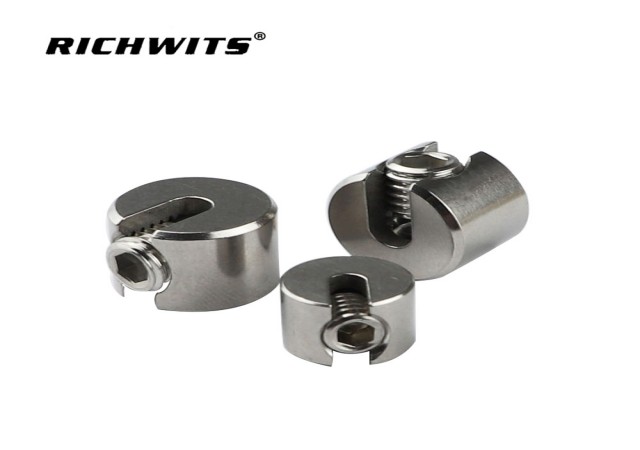
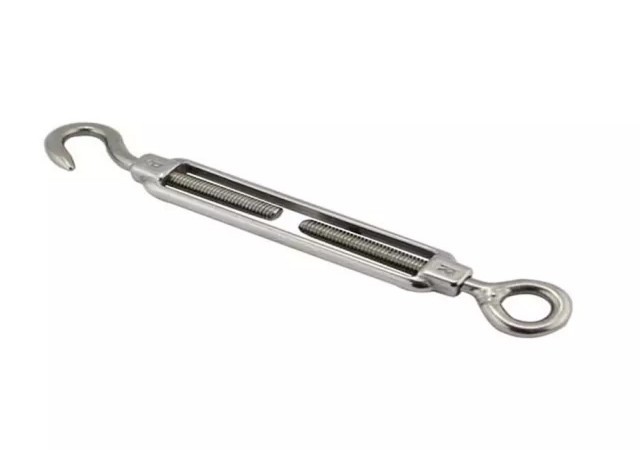
Choosing the wrong boat rigging hardware can cause corrosion, rope wear, poor sail control, and serious safety risks. If you are replacing old parts or comparing Marine Hardware and stainless steel yacht fittings, the choices can feel confusing. In this guide, you will learn how to choose the right hardware by use, material, load rating, and fit.

What Kind of Boat Rigging Hardware Do You Actually Need?
Before comparing materials, prices, or load ratings, define the sailing context first. Rigging hardware that works well on a small day-sailer may be inadequate on a cruising yacht, while gear chosen for weekend coastal use may not offer the durability or security needed offshore. Boat size, sail plan, and expected weather exposure all influence the type of fittings you should prioritize. Smaller sailboats often benefit from lighter, simpler hardware that is easy to handle, while larger cruising and offshore boats usually require stronger components designed for higher loads, longer service life, and more demanding conditions.
Sailing setup | What matters most when choosing hardware |
Small sailboats | Low weight, straightforward handling, correct sizing for lighter loads |
Cruising yachts | Durability, corrosion resistance, smooth adjustment, balanced strength |
Offshore setups | High load capacity, long-term reliability, fatigue resistance, secure attachment points |
The same logic applies to where and how the boat is used. Day sailing usually places more emphasis on convenience and responsive handling, since fittings are adjusted often and conditions are relatively controlled. Coastal cruising introduces more variable wind, longer exposure to salt, and a greater need for dependable, low-maintenance hardware. Offshore passages raise the stakes further: fittings must tolerate sustained loads, repeated motion, and a harsher marine environment where failure is not just inconvenient but dangerous.
Understand whether the fitting is for standing rigging or running rigging
A second filter is rigging type. Standing rigging hardware supports the mast and stays under constant tension, so buyers should focus on structural integrity, tension stability, and long-term resistance to corrosion and fatigue. Components in this category must hold alignment and strength over time, not just perform well during adjustment. Running rigging hardware serves a different purpose. It manages active sail control, so it must cope with movement, friction, repeated trimming, and rope wear. In practice, that means a fitting for running rigging is judged not only by strength, but also by how smoothly it handles lines under load.
Know the exact job the hardware must do before you compare products
Similar-looking fittings can perform completely different tasks, which is why function should come before product comparison. Ask what the hardware must actually do:
● tension a stay or line
● connect two load-bearing parts
● redirect rope through a changing lead
● lock a line under load
● support mast-related structural loads
Once the job is clear, selection becomes more precise. A component designed to redirect a line is not automatically suitable for locking it, and a fitting built for static support should not be chosen as if it were meant for constant movement. Buyers who define the function first are far less likely to choose hardware that fits physically but performs poorly once installed.
Which Marine Hardware Materials Hold Up Best on the Water?
Why marine-grade material matters more than polished appearance
On the water, failure usually starts long before a fitting looks obviously damaged. Salt, trapped moisture, UV exposure, vibration, and repeated loading work together to attack weak materials from multiple angles. A shiny surface can hide pitting, crevice corrosion, thread wear, or fatigue developing inside a component that sees daily stress. That is why true Marine Hardware should be judged by how well it resists corrosion and long-term cyclic loads, not by finish alone. For rigging systems, material choice affects both safety and service life: a fitting that rusts slowly is still a problem if it also weakens under constant tension, movement, or shock loading.
316 stainless steel vs 304 stainless steel vs aluminum
From a buyer’s perspective, the best material depends on exposure, load, and where the fitting sits in the rigging system. In most saltwater applications, 316 stainless steel is the preferred choice because it offers stronger resistance to pitting and corrosion than 304, especially on exposed fittings that see spray, wet-dry cycles, and high loads. 304 stainless steel may still be acceptable in lighter-duty or less exposed locations, but it is generally less reliable where saltwater contact is frequent. Anodized aluminum earns a place when lowering weight matters, particularly on spars or selected hardware above deck, though it is not the first choice for every heavily loaded or constantly wet connection.
Material | Best use case | Main advantage | Main limitation |
316 stainless steel | Exposed rigging fittings in saltwater | Strong corrosion resistance and dependable durability | Higher cost |
304 stainless steel | Lower-exposure or lighter-duty marine use | Affordable and widely available | Weaker resistance in harsh saltwater environments |
Anodized aluminum | Weight-sensitive applications above deck | Light weight with good strength-to-weight ratio | Less suitable for every high-load or heavily exposed fitting |
When stainless steel yacht fittings are worth the investment
For critical rigging points, stainless steel yacht fittings are often worth the extra cost because they combine structural strength with better durability in demanding marine conditions. This matters most where fittings carry continuous load, are difficult to inspect, or are exposed to salt and spray for long periods. Buyers should pay close attention to parts such as shackles, turnbuckles, terminals, toggles, and exposed deck connection points, since these parts do not just hold equipment together—they protect mast stability, line security, and the integrity of the wider rigging system.

When comparing these fittings, verify more than the word “stainless.” Check the grade, confirm the fitting is intended for marine use, and make sure the component is suited to both the load path and the environment. The most useful buying checks are:
● whether the fitting is rated for saltwater exposure
● whether it is used in a static or moving load application
● whether it is a critical connection point in the rig
● whether the product specification confirms marine suitability
A lower-priced fitting can look similar on day one, but in exposed rigging positions, the better material usually pays for itself through longer service life and lower failure risk.
How to Choose the Right Size, Load Rating, and Fit
Start with working load limit, not visual size
One of the most common buying mistakes is choosing rigging hardware by appearance. A fitting may look thick, polished, and “heavy-duty,” yet still be the wrong choice if its rated capacity does not match the actual forces in the system. In rigging, what matters is not how strong a part seems, but how much load it is designed to carry safely over time. That is where working load limit matters. In simple terms, working load limit is the maximum load a fitting should handle in normal service, while the breaking strength is the point at which it may fail. Buyers should not treat those numbers as interchangeable. A safe margin between everyday load and ultimate failure is what protects the rig when wind, motion, and shock loads increase suddenly.
For buyers, this means product labels and technical specifications deserve more attention than visual bulk. Two shackles of similar size may have very different ratings, and a larger block is not automatically a better one if it is mismatched to the line or application. When you compare hardware, start by asking what load the part will see in actual use, not what looks strongest on the shelf.
Match hardware to rope diameter, wire size, and real rigging loads
Correct sizing begins with measurement. Before ordering, buyers should know the rope diameter, wire size, and where the load is traveling through the rig. This is especially important because rigging loads are not distributed equally. A line that is lightly loaded in one section may pass through a fitting that sees much greater force at another point in the system. If hardware is too small for the rope or wire, performance suffers long before failure occurs. Friction rises, line movement becomes less efficient, and wear increases at contact points.
What to check before buying | Why it matters |
Rope diameter | Determines whether blocks, clutches, and fairleads can grip and run the line correctly |
Wire size | Ensures terminals, turnbuckles, and attachment fittings are properly matched |
Working load path | Helps identify which fitting carries the highest real load |
Pin and jaw dimensions | Prevents loose, binding, or misaligned connections |
Sheave size | Reduces friction and helps protect rope life |
Poor sizing can also reduce handling quality. A rope that is too large for a clutch may jam or suffer cover damage, while a line that is too small may slip under load. Wire-related fittings face similar problems: incorrect fit can create stress concentration, looseness, or poor alignment that weakens the connection over time. Buyers should think of size as both a safety issue and a performance issue.
Check pins, threads, jaw width, and mounting dimensions before ordering
Compatibility problems often come from overlooked details rather than wrong load ratings. Even when a fitting is strong enough, it may still be unusable if the pin diameter is wrong, the thread type does not match, or the jaw width does not fit the existing attachment point. This is particularly relevant when replacing only one part in an older rigging system. The new hardware may look similar to the original but still create installation or alignment problems once it is in hand.
Practical fit checks should include:
● pin diameter and usable pin length
● thread type and thread direction where applicable
● jaw opening or terminal width
● mounting hole spacing and base footprint
● rope range for blocks, clutches, and stoppers
● angle of entry and exit within the existing rig geometry
These details determine whether the fitting works cleanly inside the system or creates twist, side loading, or uneven wear. Buyers should always compare the new part against the actual installed dimensions, not just the product name or general category.
How to choose blocks and rope-handling fittings without shortening rope life
For moving lines, strength alone is not enough. Blocks, clutches, and other rope-handling fittings must also protect the rope as it runs under load. Sheave size is especially important because an undersized sheave bends the rope too tightly, increasing internal stress and surface wear. As a practical guide, the sheave diameter should be large enough in relation to the rope diameter to let the line run smoothly with less friction. If that ratio is too small, the rope may still function, but its service life will usually drop.
Hardware design matters as well. Frequent adjustments often benefit from lower-friction designs, while high-load static applications may call for different bearing and holding characteristics. A clutch or stopper that grips aggressively can damage rope covers if it is poorly matched to the line, and a block that is technically strong enough may still perform badly if it adds drag or causes chafe. Buyers choosing rope-handling hardware should evaluate not just load rating, but also how the fitting guides, bends, and holds the line during real sailing use.
When Should You Replace Rigging Hardware—and What Mistakes Should You Avoid?
Warning signs that a fitting should be replaced, not reused
Rigging hardware does not need to be visibly broken to become unsafe. In many cases, replacement should happen when a part shows signs of weakening, binding, or distortion under normal use. Corrosion is one of the clearest warnings, especially when it appears as pitting rather than light surface discoloration. Cracked swages, bent pins, worn threads, and any form of deformation also deserve immediate attention because they suggest that the fitting is no longer handling load as intended. Seized turnbuckles are another red flag: if they no longer adjust smoothly, internal damage or corrosion may already be affecting their reliability. Rough-running blocks matter for the same reason. Even if the shell looks intact, poor movement often signals wear inside the bearing or sheave system, which can increase friction and line damage.
Sign of wear | Why it matters |
Pitting or advanced corrosion | Can reduce strength and indicate deeper material damage |
Cracked swages | Suggests structural failure risk at a critical connection |
Bent pins or distorted fittings | Often means the part has been overloaded or misaligned |
Worn threads | Reduces secure fastening and safe adjustment |
Seized turnbuckles | May hide corrosion, thread damage, or loss of adjustment reliability |
Rough-running blocks | Increases friction, rope wear, and handling problems |
The key distinction is whether the wear is cosmetic or load-related. Minor aging may affect appearance, but damage around threads, pins, terminals, and moving parts is a safety concern because those areas directly control how load is transferred through the rig.
The most common boat rigging hardware buying mistakes
Many buying mistakes happen before installation. Choosing by price alone is risky because lower-cost parts may lack the material quality or marine suitability needed for saltwater use. Another frequent error is using general hardware instead of marine-rated fittings. Standard hardware may fit physically, yet still fail early under corrosion, vibration, or repeated loading. Buyers also run into problems when they mix incompatible metals, creating conditions that accelerate corrosion in exposed marine environments. One more costly mistake is buying without checking load specifications. A fitting that looks substantial can still be underrated for the actual job.
A simple pre-purchase checklist to avoid buying the wrong part
Before ordering, buyers should pause and verify the essentials:
● What exact job does the fitting perform?
● Will it be used in saltwater, high-load, or frequently adjusted conditions?
● Is the material suitable for marine exposure?
● Does the working load rating match the application?
● Are the dimensions, pin size, thread type, and rope or wire range correct?
● Does it fit the existing rig geometry and attachment points?
This checklist is most useful right before purchase, because it turns a vague replacement decision into a clear compatibility check that reduces returns, wasted money, and installation problems.
Conclusion
Choosing boat rigging hardware means matching the right fitting to the right job, not just buying the strongest-looking part. Check the application, material, load rating, and fit before you buy. This process helps you choose Marine Hardware and stainless steel yacht fittings with more confidence. Wudi Zhibo Metals Co., Ltd. adds value with durable marine-grade products, consistent quality, and reliable support for safer, longer-lasting rigging systems.
FAQ
Q: How do I size Marine Hardware for rigging loads?
A: Size Marine Hardware by working load limit, safety margin, rope diameter, and pin compatibility.
Q: When are stainless steel yacht fittings the better choice?
A: Choose Marine Hardware in 316 stainless steel for exposed, saltwater-loaded fittings needing corrosion resistance.
Q: What causes the most common Marine Hardware selection errors?
A: Marine Hardware fails faster when buyers ignore load ratings, thread fit, sheave size, or metal compatibility.