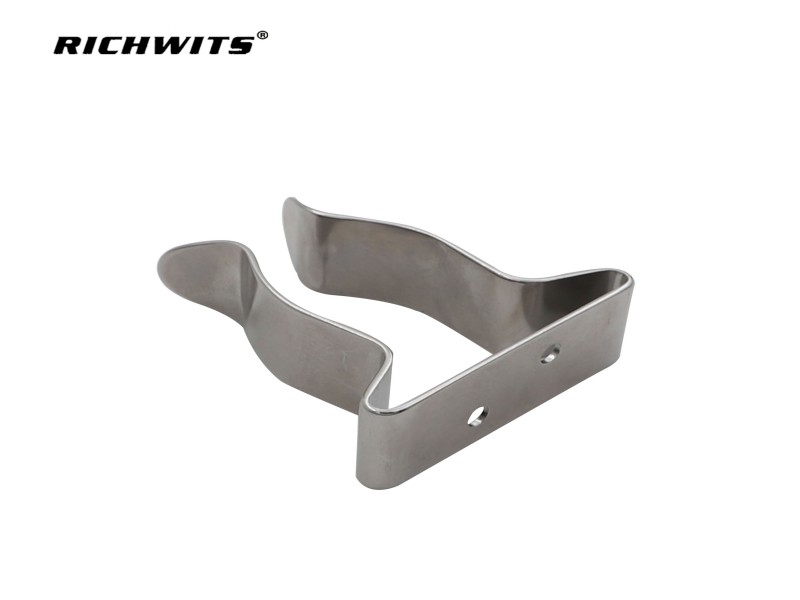
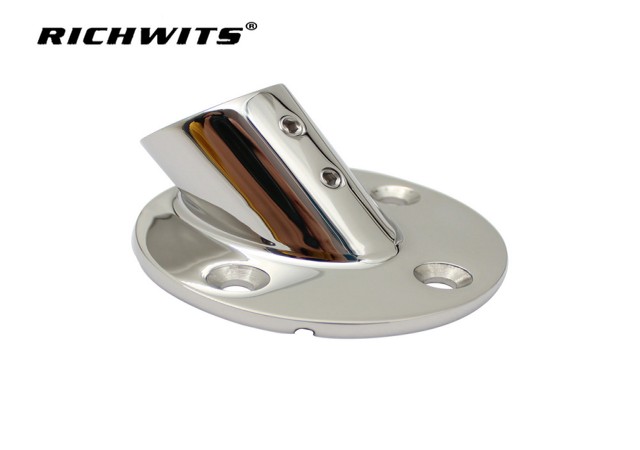
Marine Hardware looks simple until saltwater ruins the wrong choice. Carbon steel may seem cheaper and stronger, but corrosion often decides real service life first. In this article, you will compare carbon steel with stainless options, including stainless steel yacht fittings, based on exposure, durability, maintenance, and long-term cost.

Why Stainless Steel Is the Standard for Most Marine Hardware
Saltwater exposure changes how marine hardware fails
Marine hardware operates in one of the most aggressive service environments for metal. Saltwater, airborne chlorides, humidity, and repeated wet-dry cycles work together to accelerate corrosion far faster than in ordinary outdoor use. Even hardware that is not constantly submerged can deteriorate quickly because salt spray settles on the surface, traps moisture, and keeps corrosion active over time. In practice, this means a fitting on deck or near the rail may face almost the same long-term corrosion pressure as a part that sees regular splashing.
What makes marine failure especially problematic is that visible rust is often only the early warning sign. Once corrosion begins, it can reduce clamping force in fasteners, weaken moving parts such as hinges, and make fittings harder to inspect or remove during maintenance. On boats and yachts, that creates a chain reaction: surface damage becomes reduced reliability, and reduced reliability can eventually affect safety-critical hardware.
● Corrosion can seize threaded components and complicate removal during repairs.
● Rust staining can spread to nearby surfaces, turning a material issue into a maintenance issue.
● Hardware strength on paper becomes less meaningful once corrosion starts reducing real service life.
Why stainless steel performs better in marine hardware
Stainless steel performs better in marine hardware because it contains enough chromium to form a thin passive film on the surface. This protective layer helps resist rust and slows metal loss, even when the hardware is exposed to damp, salty conditions. Unlike carbon steel, which depends heavily on coatings or finishes for survival in marine exposure, stainless steel has built-in corrosion resistance as part of the alloy itself.
That is why stainless is widely used for exposed marine components such as fasteners, deck fittings, hinges, handrails, and other yacht hardware that must stay functional and presentable over time. In these applications, buyers are not only paying for appearance. They are also paying for lower maintenance demand, better long-term reliability, and a reduced risk of early replacement.
Why 316 matters more than 304 in many marine settings
Not all stainless grades deliver the same performance in chloride-rich environments. In marine hardware selection, the comparison between 304 and 316 is especially important because both are common, yet they differ in their resistance to salt-driven attack.
Stainless grade | Best fit in marine hardware | Main limitation |
304 stainless steel | Lighter-duty marine use or less aggressive exposure | Less resistant to chloride-related corrosion in harsher saltwater conditions |
316 stainless steel | Exposed marine hardware, including fittings and fasteners in frequent salt spray | Higher material cost |
316 with demanding exposure in mind | Better choice where pitting resistance and durability matter most | May be unnecessary for protected, lower-risk locations |
For that reason, 316 is generally the more dependable choice when marine hardware will face regular salt spray, washdown, or harsher coastal conditions, while 304 is better viewed as a more limited option in demanding saltwater service.
Carbon Steel vs Stainless Marine Hardware: The Differences That Actually Affect Buying Decisions
Corrosion resistance and service life
In exposed marine hardware, corrosion resistance is usually the first performance issue that separates carbon steel from stainless steel. Saltwater, salt spray, and humid coastal air create a chloride-rich environment that attacks unprotected metal quickly. Stainless steel performs better because its chromium content helps form a protective passive layer on the surface, slowing rust formation and reducing ongoing damage. Carbon steel does not have that built-in defense, so once its coating is scratched, worn, or incomplete, corrosion can begin fast and keep spreading.
That difference directly affects service life. Stainless marine hardware is more likely to keep its surface condition, fit, and mechanical reliability over time, especially in exposed fittings and fasteners. Untreated carbon steel, by contrast, is much more likely to rust, discolor nearby surfaces, and lose performance as corrosion progresses. On a boat, that does not just mean an ugly finish. It can also mean seized threads, weaker connections, harder inspections, and earlier replacement. In real marine use, visible rust is often only the first sign of a larger durability problem.
Strength on paper vs performance in real marine use
Carbon steel can offer high strength, and that is one reason buyers still consider it. In controlled environments, that strength can be a real advantage, especially when cost matters and corrosion risk is low. On paper, carbon steel may look like the better value because it can handle significant loads while costing less up front than stainless steel.
Marine hardware, however, is not judged by strength alone. A fitting that starts strong but deteriorates in salt exposure may deliver a shorter usable life than a stainless part with slightly lower raw strength but far better corrosion resistance. In other words, marine performance is about how long the hardware stays functional, secure, and maintainable under exposure. Corrosion often determines that timeline before maximum strength ever becomes the limiting factor. That is why stronger on paper does not automatically mean better on deck, on rail systems, or in other exposed hardware locations.
Maintenance requirements over time
One of the biggest practical differences between the two materials is how much attention they demand after installation. Stainless marine hardware is usually chosen because it needs comparatively little intervention beyond routine cleaning and inspection. Carbon steel often requires a more active maintenance strategy to remain usable in a marine setting, particularly if it is exposed to moisture or salt.
● Protective coatings may need touch-ups after wear, impact, or surface damage.
● Regular inspection becomes more important because rust can spread under damaged finishes.
● Corroded hardware may need earlier removal and replacement, increasing labor time.
● Surface staining around the hardware can create additional cleanup and cosmetic work.
That maintenance burden matters because marine hardware is often installed in awkward or highly exposed locations. Even if the part itself is inexpensive, the labor needed to preserve or replace it can quickly become the more important cost.
Purchase price vs long-term cost
At the buying stage, carbon steel often looks attractive for a simple reason: it usually costs less. For projects with many fittings or fasteners, that lower initial purchase price can seem like the most practical choice. The problem is that marine hardware should be evaluated over its full service life, not only at the time of purchase.
Cost factor | Carbon steel marine hardware | Stainless marine hardware |
Initial price | Lower upfront cost | Higher upfront cost |
Corrosion management | Often needs coatings or added protection | Built-in corrosion resistance reduces extra protection needs |
Maintenance workload | Higher likelihood of inspections, touch-ups, and rust management | Lower routine maintenance burden |
Replacement cycle | More likely to need earlier replacement in exposed conditions | Typically supports longer service intervals |
Total ownership cost | Can rise quickly once labor and downtime are included | Often becomes more economical over time |
For buyers comparing marine hardware options, that shift from purchase price to lifecycle cost is where stainless steel often gains the advantage.
Where Stainless Marine Hardware Makes Sense—and Where Carbon Steel Does Not
Marine hardware that should usually be stainless steel
In marine environments, the safest default for exposed hardware is stainless steel. Parts mounted on deck or near open spray are repeatedly hit by salt, moisture, and air, so they need more than basic strength. They need to resist corrosion while remaining easy to inspect, operate, and clean over time. That is why exposed fasteners, deck fittings, cleats, hinges, shackles, handrails, and similar components are so often made from stainless rather than carbon steel. In these positions, the material is expected to hold both its mechanical reliability and its surface condition, not just survive the initial installation.

This is also where stainless steel yacht fittings stand out. On yachts and other vessels with visible exterior hardware, material choice affects both function and appearance. Stainless hardware helps reduce rust streaking, keeps fittings looking cleaner, and lowers the maintenance burden on parts that are meant to stay visible. Buyers are not choosing stainless only because it looks polished. They are also choosing it because exposed marine hardware has to perform in a setting where corrosion can spread quickly once it starts.
Hardware location or type | Better material choice | Why it usually makes sense |
Exposed fasteners | Stainless steel | Better resistance to salt spray and easier long-term serviceability |
Deck fittings and cleats | Stainless steel | Frequent exposure makes corrosion resistance a priority |
Hinges and shackles | Stainless steel | Moving or load-handling parts benefit from reduced rust and seizure risk |
Handrails and visible fittings | Stainless steel | Combines corrosion resistance with cleaner appearance and lower upkeep |
Protected interior supports | Carbon steel in limited cases | Lower exposure may make protected carbon steel workable |
Coated enclosed hardware | Carbon steel in limited cases | Usually only practical with galvanizing, coating, or similar protection |
Limited situations where carbon steel may still be used
Carbon steel is not completely excluded from marine settings, but its role is much narrower. It may still be used in protected, enclosed, or less exposed hardware positions where direct contact with seawater and salt spray is limited. In those cases, the lower upfront cost and potential strength benefits of carbon steel can still appeal to buyers, especially when the part is easier to access and maintain.
Even then, carbon steel usually depends on added protection to remain viable. That may include galvanizing, paint systems, or other coatings intended to delay corrosion. Without that extra barrier, carbon steel becomes much harder to justify in marine hardware, because the environment is simply too aggressive for bare material.
Why exposed fittings are the worst place to save money
Smaller marine hardware parts are often where corrosion problems begin. They are constantly exposed, frequently splashed, and easy to overlook during routine checks. Because of their size, buyers may be tempted to reduce cost at exactly the point where corrosion risk is highest. That is often a false economy. A rusted fastener, seized hinge, or degraded fitting can interrupt maintenance, damage nearby surfaces, and create a larger repair chain than the original part cost would suggest. In marine hardware, the cheapest exposed fitting can become one of the most expensive parts to ignore.
How to Choose the Right Marine Hardware for Your Application
Choosing between carbon steel and stainless steel starts with context, not with a catalog price. In marine hardware, the same part can perform very differently depending on where it is installed, how often it gets wet, and how difficult it will be to inspect or replace later. That is why material selection should begin with exposure and service conditions before moving on to strength claims or budget comparisons.
Start with where the hardware will live
The first screening question is simple: how aggressive is the hardware’s environment? A fitting mounted in open salt spray does not face the same risk as one installed in a more protected compartment, even if both are on the same boat. Exposure level determines how quickly corrosion can begin and how much damage it can do before the issue is noticed.
Exposure level | Typical condition | Better starting choice |
Fully exposed | Constant salt air, spray, washdown, or weather | Stainless steel |
Splash-exposed | Frequent wetting but not always submerged | Stainless steel |
Intermittently wet | Occasional moisture with time to dry | Usually stainless, depending on access and maintenance |
Mostly protected | Enclosed or lower-risk location with limited salt exposure | Carbon steel may be considered if protected |
This approach keeps the decision practical. Buyers often focus first on price or stated strength, but in marine use, exposure usually determines material success earlier than either of those factors.
Then match material to hardware type
Once exposure is clear, the next step is to match the material to the job the hardware actually performs. Stainless steel is the better choice for marine hardware that is visible, frequently handled, safety-relevant, or regularly exposed to salt air and water. That includes deck fittings, fasteners, hinges, rails, and similar parts where corrosion can quickly affect both function and appearance. Carbon steel belongs in a narrower category: hardware that is better protected, easier to access, and realistic to maintain over time. Even there, it normally relies on galvanizing, paint, or another protective system to stay serviceable.
Ask which risk matters more: upfront cost or early failure
A lower purchase price only helps if the hardware remains reliable long enough to justify the savings. In marine applications, the better question is what failure would cost after installation. If a part is difficult to replace, tied to safety, or likely to corrode in a highly visible location, stainless steel usually reduces risk more effectively than carbon steel. Buyers should weigh service life, tolerance for ongoing maintenance, replacement difficulty, and the operational consequences of corrosion rather than making the decision on initial price alone.
Conclusion
For most exposed Marine Hardware, stainless steel is the smarter choice because it resists corrosion, needs less upkeep, and lasts longer in saltwater. Carbon steel still fits some protected uses, but rarely works best for exposed fittings. The right choice depends on exposure, maintenance, and service life. Wudi Zhibo Metals Co., Ltd. supports that decision with dependable marine hardware and stainless steel yacht fittings that help buyers balance durability, appearance, and long-term value.
FAQ
Q: Is stainless steel better for exposed Marine Hardware?
A: Yes. Marine Hardware in salt spray usually lasts longer in stainless because corrosion resistance matters more than raw strength.
Q: Can carbon steel be used in Marine Hardware?
A: Only in protected locations. Marine Hardware made from carbon steel usually needs coating or galvanizing to control rust.
Q: Are 316 stainless steel yacht fittings worth it?
A: Usually yes. Marine Hardware in harsher saltwater conditions often performs better in 316 than 304.