High Quality Stainless Steel Door Hinges
* Marine hinges stainless steel, 316 marine grade
* Stainless steel boat hinges, Dimension size: 38mm * 54mm,38mm*66mm
* Heavy duty stainless hinges, solid and excellent polished finished
It is made of high-quality stainless steel and has a long service life.
Used to install household doors or cabinet doors, windows, cabinets, tool boxes, etc.
Butt hinges are tools for cabinet doors. They are very strong but cannot be adjusted once installed.
Installation by screw
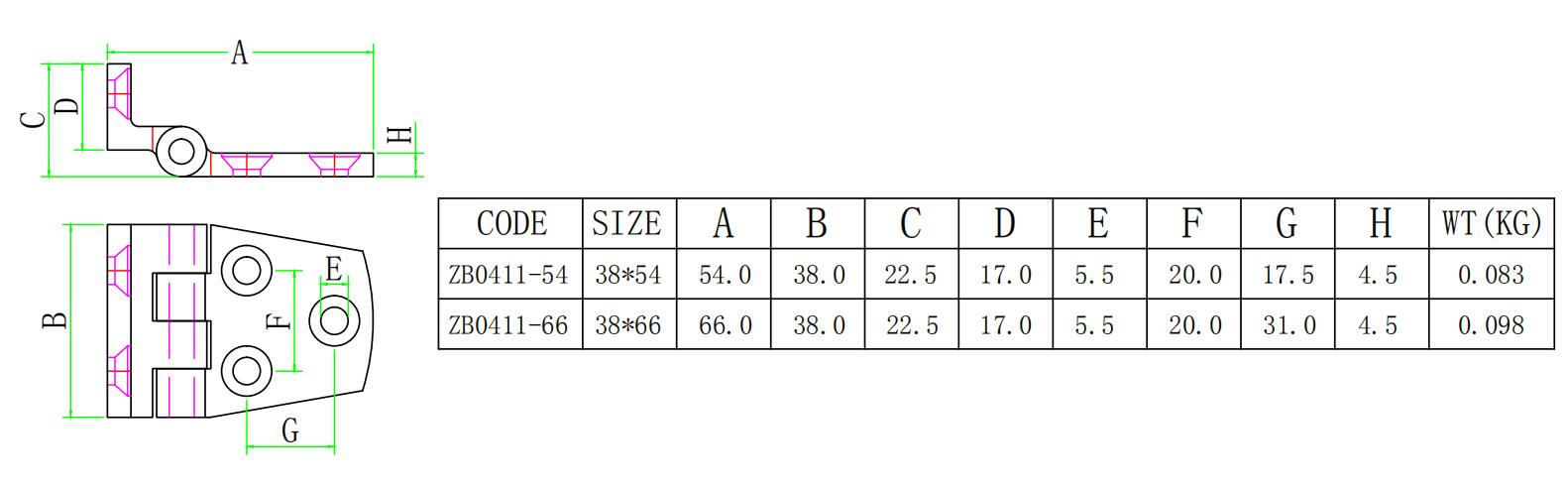
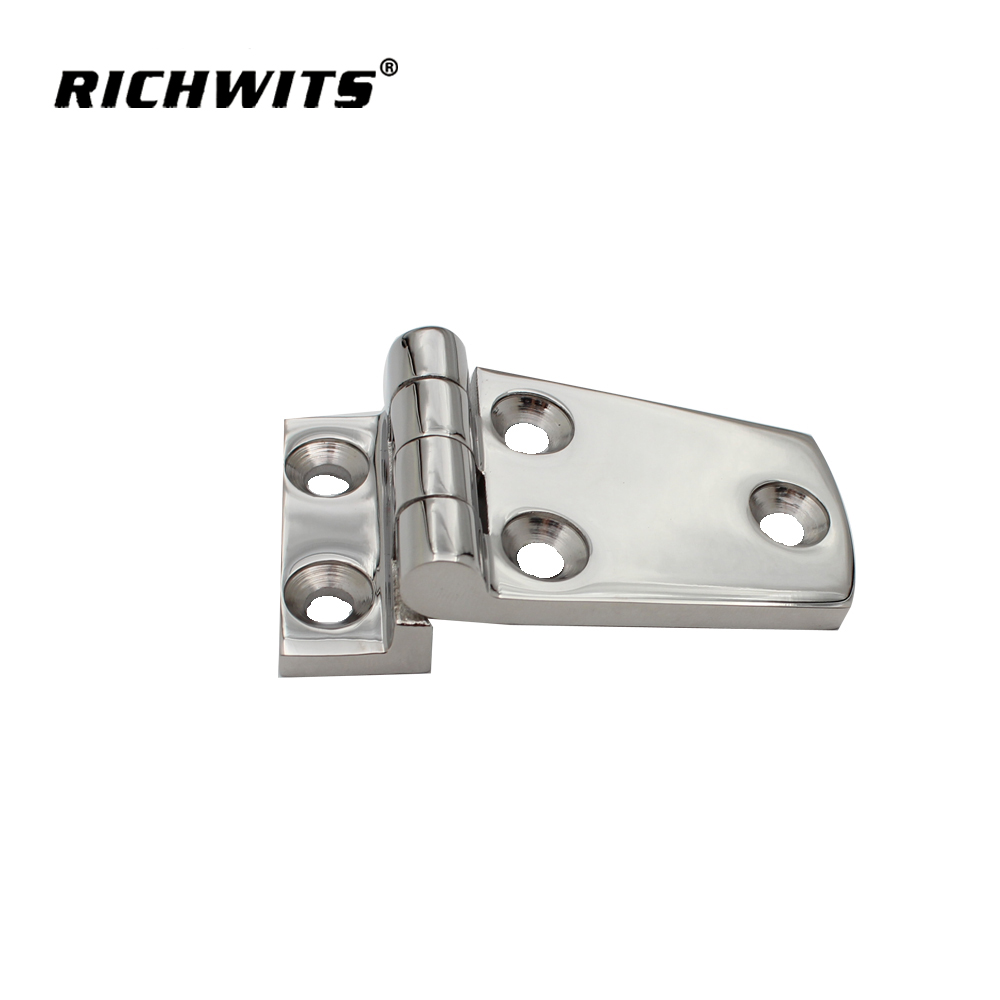


1. . Why do stainless steel utensils sometimes leave marks on plates?
Metal-on-metal contact (e.g., cutting with a stainless steel knife) transfers tiny metal particles.
2. Is stainless steel resistant to chemicals?
Most are—316 resists acids, alkalis, and salt better than 304; avoid strong bleach long-term.
3.
What does "marine-grade stainless steel" mean? Why is it special?
Marine-grade stainless steel is an specifically formulated to resist corrosion in harsh saltwater environments. The key element is a high chromium content, which forms a passive, protective chromium oxide layer on the surface. The most critical additive is Molybdenum (2-3%), which drastically improves resistance to pitting and crevice corrosion, the primary threats in seawater. The most common marine grade is 316 stainless steel, often referred to as "A4" in the metric system.


