Introduction
What is the 5 knot rule, and why does it matter so much? It means boats must slow to five knots where shorelines, swimmers, or other vessels are nearby. In this article, you will learn where the rule applies, how to avoid mistakes, and how Marine Hardware, including stainless steel yacht fittings, supports safer low-speed handling.

What the 5 Knot Rule Actually Requires
What “5 knots” means in plain terms
The 5 knot rule is best understood as a low-speed control rule, not as a number boaters memorize and forget. In practice, it means operating slowly enough to keep the vessel fully under control where people, shorelines, or nearby traffic could be harmed by speed or wake. Many boating authorities describe 5 knots as roughly a fast walking pace, but the real test is practical: can the operator steer accurately, reduce wash, and stop or avoid danger in time? That makes the rule closely tied to safe-speed judgment, not just to what appears on an instrument.
This matters because the same boat can feel very different at low speed depending on load, wind, current, or hull shape. A skipper may think the vessel is “barely moving” while still throwing unnecessary wake or closing distance too fast. For that reason, the rule should be read as a requirement to protect nearby people and property through controlled movement, especially in places where small mistakes quickly become serious.
The most common legal triggers behind the rule
The rule is usually activated by proximity, not by the kind of boat alone. When a vessel enters areas where other water users or fixed features are close by, the law typically expects a shift to slow-speed operation.
Typical trigger | Why speed is restricted | What the operator must account for |
Near shore | Higher risk to people entering or leaving the water | Reduced wake and earlier slowing |
Close to swimmers | Very limited reaction time | Immediate control and clear separation |
Near other vessels | Greater collision and wash risk | Slower passing and better lookout |
Close to structures | Wake can damage docks, ramps, and moorings | Careful throttle use and steering |
Around dive activity | People may be below the surface and hard to see | Maximum caution and very low speed |
These triggers show how closely the rule is linked to protecting vulnerable users nearby. The main idea is simple: when distance shrinks, speed must drop.
Why local bylaws matter
Although the safety logic stays consistent, the details can change from one waterway to another. Inland and coastal rules may apply different distance limits, and some named areas operate under location-specific variations rather than one uniform standard. In many places, special 5 knot zones also exist in certain boating areas, making local knowledge essential rather than optional.
Before launching, boaters should check:
● whether the waterway is governed by inland or coastal rules
● whether a marked 5 knot zone applies in that area
● whether local exceptions change the usual distance limits
● what penalties or enforcement powers local authorities use for violations
The legal wording may differ, but the operational message stays the same: when the surroundings become tighter, slower and more deliberate boat handling is required.
Where Boaters Most Often Need to Apply It
Near shorelines and swimming areas
The 5 knot rule matters most where people and boats share the same narrow margin for error. Shorelines are a prime example because they concentrate changing risks in a small space: swimmers may enter the water unexpectedly, children may be hard to see from a helm, and a vessel moving too quickly can still create a dangerous wake even without making contact.
This is why early slowing down matters. Many operators wait until they are very close to shore before reducing speed, but by then the boat may still carry too much momentum. In practical terms, shorelines and swimming areas are places where the rule is not just about legal compliance. It is about creating enough time and distance to react safely.
In marinas, ramps, and tight waterways
Confined boating spaces demand low-speed handling before a skipper reaches a clearly posted sign. Marinas, launching ramps, harbour entries, and narrow channels compress distance, reduce reaction time, and make wake effects more noticeable on nearby boats and structures. In these settings, a vessel must travel at a speed that allows enough time and distance to avoid collision while keeping a proper lookout and controlling wake.
Location type | Why 5-knot handling matters there | Main operator focus |
Marina fairways | Limited room to turn and stop | Smooth throttle use and minimal wake |
Boat ramps | Mixed traffic, reversing trailers, people in the water | Slow approach and sharp situational awareness |
Narrow channels | Restricted passing room and channel traffic | Early speed reduction and precise steering |
Harbour entrances | Cross-traffic, changing water movement, fixed structures | Controlled entry and clear lookout |
These areas require precision, not speed. Even a moderate wash can push a nearby boat off line or cause a moored vessel to strain against its lines.
Around divers, moored boats, and recreational traffic
Mixed-use water does not need to look crowded to require caution. A single dive flag, a line of moored boats, or a few kayaks and paddle craft can turn an open-looking area into a low-speed zone in practical terms. Divers may be below the surface and hard to see, while moored boats can shift unexpectedly under wake loads.
When boaters enter these areas, the safest approach is to assume that visibility and reaction time are already reduced. Good practice includes:
● reducing speed before reaching the closest point of approach
● watching for low-profile craft below the usual sightline
● checking wake impact on moored or anchored vessels
● leaving enough space to alter course without abrupt throttle changes
In marked zones and unmarked high-risk areas
A posted buoy or shoreline sign gives the clearest instruction, but the absence of one does not remove the operator’s responsibility. Some boating areas have designated 5 knot zones, while others rely on general navigation rules and local bylaws. In both cases, the real issue is risk.
That distinction matters because marked zones show exactly where enforcement is concentrated, while unmarked high-risk areas still rely on judgment, local rules, and the duty to operate at a safe speed. A sheltered bay, a marina approach, or a narrow river edge may demand the same low-speed behavior even without a visible marker.
How to Stay Under 5 Knots Without Guessing
Read the water, not just the throttle
The safest way to judge 5 knots is to watch what the boat is doing in the water, not just what the engine sounds like. A boat can sound calm at low RPM and still be moving too fast for the space around it. Safe speed depends on whether the operator has enough time and distance to avoid a collision, while also considering traffic, weather, and visibility.
Three practical clues are usually more useful than throttle position alone: the size of the wake, how quickly the boat answers the helm, and how much distance it needs to slow or stop. If the stern is pushing out a strong wash near swimmers, moored boats, or a ramp, the speed may already be too high even if the engine feels barely engaged. If steering corrections become wide or delayed, that is another sign the boat is carrying too much way for the conditions. The same is true when the vessel needs too much room to come under control in a narrow approach.
Real-world clue | What it suggests | Best response |
Noticeable rolling wake behind the boat | Too much speed for nearby users or structures | Ease back earlier and recheck wash |
Slow or wide response to steering input | The boat is carrying more momentum than the area allows | Reduce speed before the next manoeuvre |
Long stopping distance in a confined area | Control margin is too small | Come off throttle sooner and plan farther ahead |
Common speed judgment mistakes
One of the most common mistakes is assuming that idle speed automatically equals compliance. In reality, hull shape, load, wind, current, and water flow can all change how fast a vessel travels at the same throttle setting. A safe speed is based on surroundings and boat behavior, not on engine sound alone.
Another frequent error is slowing down too late. Boaters often wait until they are already close to shore, another vessel, or a marked area before pulling back. By then, the boat may still produce wake or need more stopping distance than the space allows.
Common misjudgments include:
● treating engine sound as more reliable than wake and stopping distance
● reducing speed only after entering a crowded or restricted area
● ignoring how weather and moving water affect actual boat speed
● focusing on the bow ahead but missing the danger their wake creates nearby
What Ignoring the Rule Can Cost
Fines, enforcement, and operator responsibility
Ignoring the 5 knot rule can lead to an immediate legal penalty, but the fine is only the most visible part of the cost. In many regions, maritime officers can issue infringement notices for speed violations in restricted areas. More importantly, the bigger issue is preventable harm. Excess speed near shore, swimmers, docks, or moored craft can cause injury, property damage, and serious liability.
Operator responsibility begins before the boat moves. The skipper is expected to understand the rules, maintain a good lookout, and travel at a speed that allows enough time and distance to avoid a collision. In other words, “I did not see anyone” or “I thought I was going slowly enough” is a weak defense when the risk was foreseeable and the wake or stopping distance showed otherwise.
Type of cost | What it can involve |
Regulatory cost | Infringement notices and monetary penalties |
Safety cost | Injury to swimmers, paddlers, divers, or passengers |
Property cost | Damage to vessels, docks, moorings, and waterfront structures |
Liability cost | Responsibility for preventable harm caused by speed or wake |
Damage to people, property, and Marine Hardware
The most underestimated consequence of excess speed in a restricted area is often secondary damage. Even when a vessel never strikes another boat or structure, poor close-range handling can send wash into pontoons, move moored boats against their lines, and place repeated shock loads on cleats, rails, fenders, and tie-off points. That is where Marine Hardware becomes part of the safety conversation rather than just a product category.
The stronger the wake and the later the throttle correction, the more force gets transferred into docking systems and nearby fittings. In marina and mooring environments, careless low-speed handling can place stress on:
● dock cleats and bollards
● rails and grab points near boarding areas
● mooring lines and attachment points
● deck fittings exposed during docking or passing wash
Where stainless steel yacht fittings fit into safe low-speed handling
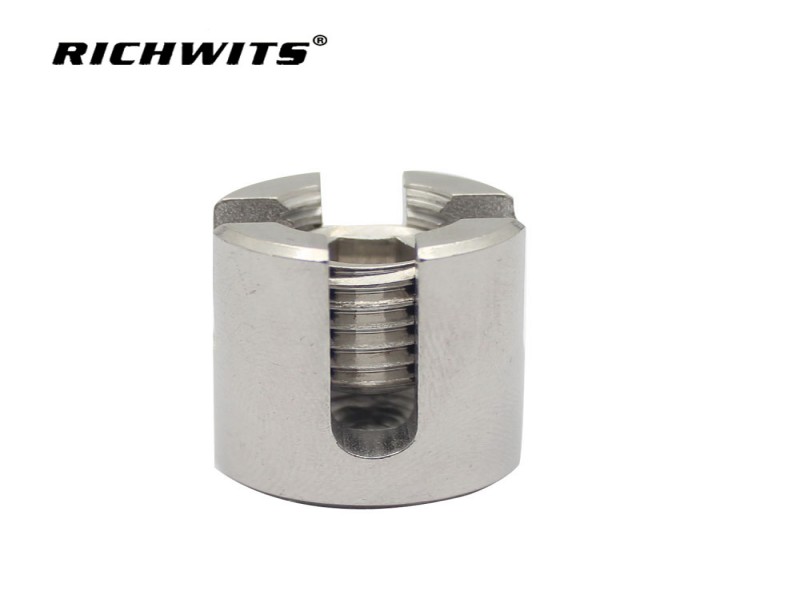
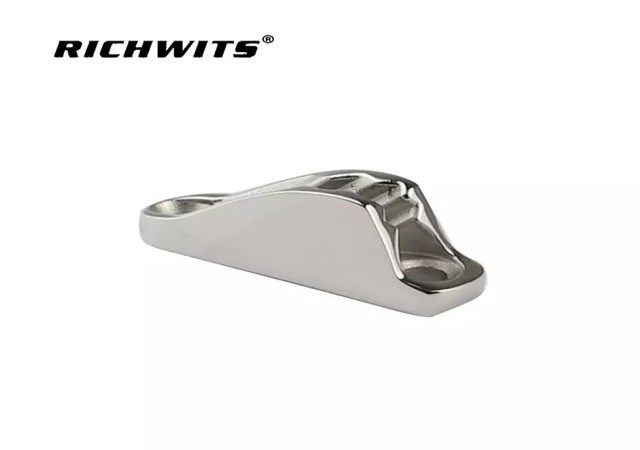
This is also where stainless steel yacht fittings matter in practical terms. In marinas, ramps, and mooring areas, repeated low-speed manoeuvres create steady line loads, contact risk, and constant exposure to water. Durable fittings help crews manage lines cleanly, hold position more securely, and reduce the chance that small handling errors turn into equipment failure.
That does not replace careful seamanship, but it does support it. Secure cleats, rails, and other line-handling points contribute to safer docking and mooring control, especially in places where the 5 knot rule is most often applied.

Conclusion
The 5 knot rule is about safe control, not just speed. Boaters should check local rules, slow down early, and watch wake and handling. For added value, Wudi Zhibo Metals Co., Ltd. provides durable Marine Hardware and stainless steel yacht fittings with dependable quality and practical service for safer low-speed operation.
FAQ
Q: What does the 5 knot rule mean for Marine Hardware?
A: The rule requires slow operation near shore, swimmers, and structures; Marine Hardware must handle wake, docking loads, and close-quarters movement.
Q: Why does Marine Hardware matter in 5-knot zones?
A: In tight areas, Marine Hardware supports safer mooring, fendering, and line control while vessels slow, turn, and stop.
Q: Are stainless steel yacht fittings relevant to compliance?
A: Yes. Marine Hardware such as stainless steel yacht fittings improves durability and secure attachment points in restricted-speed areas.