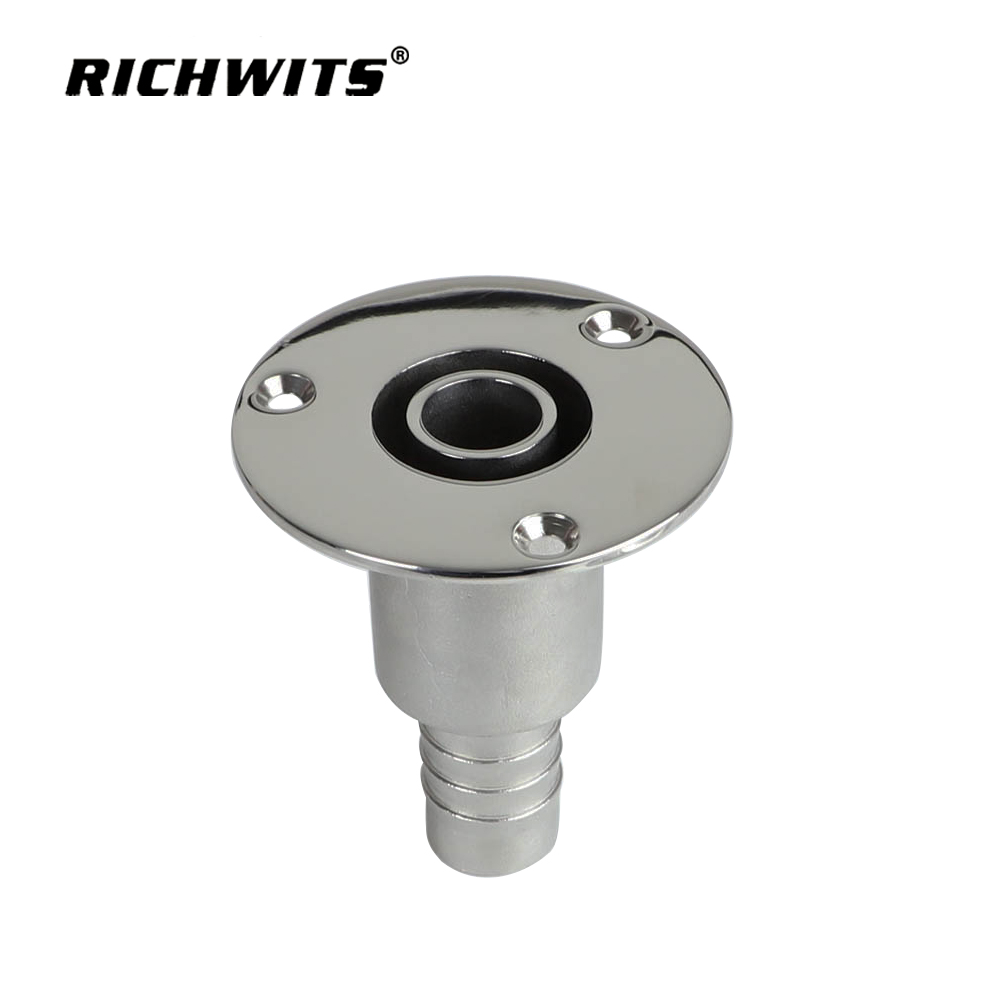
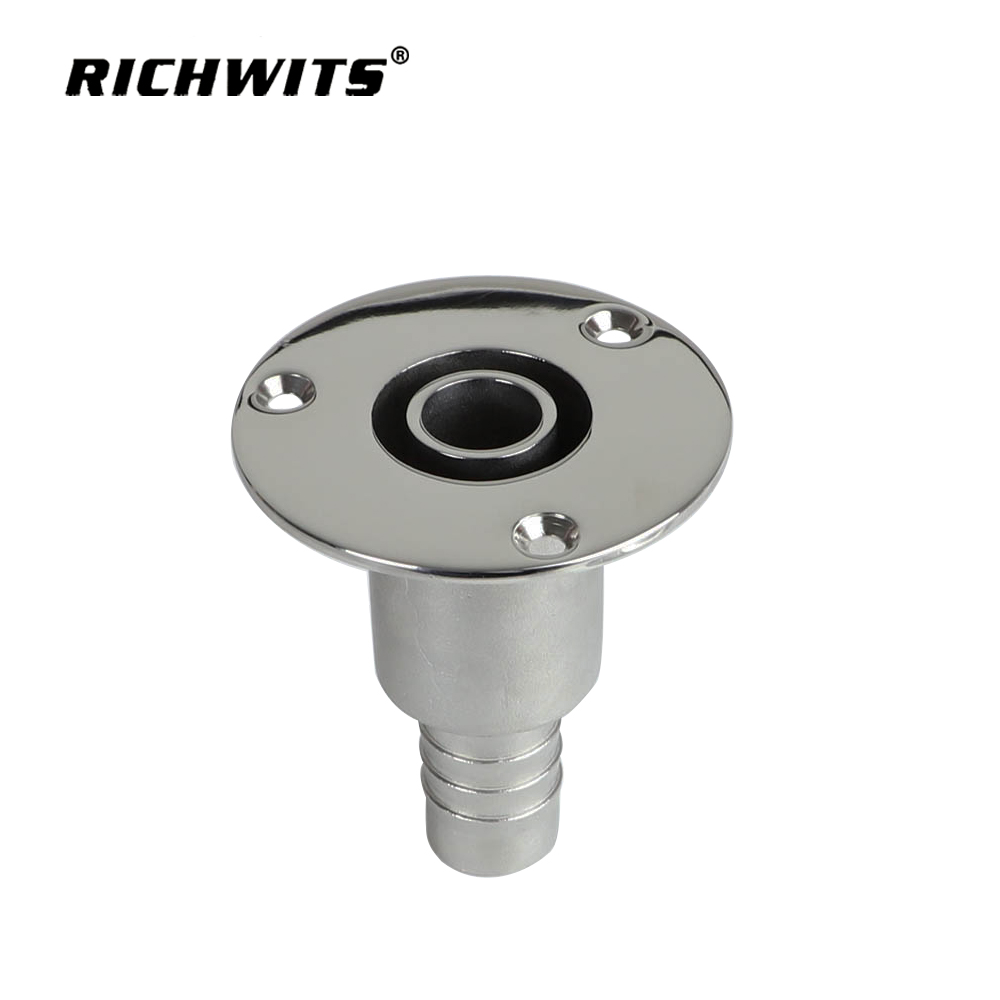
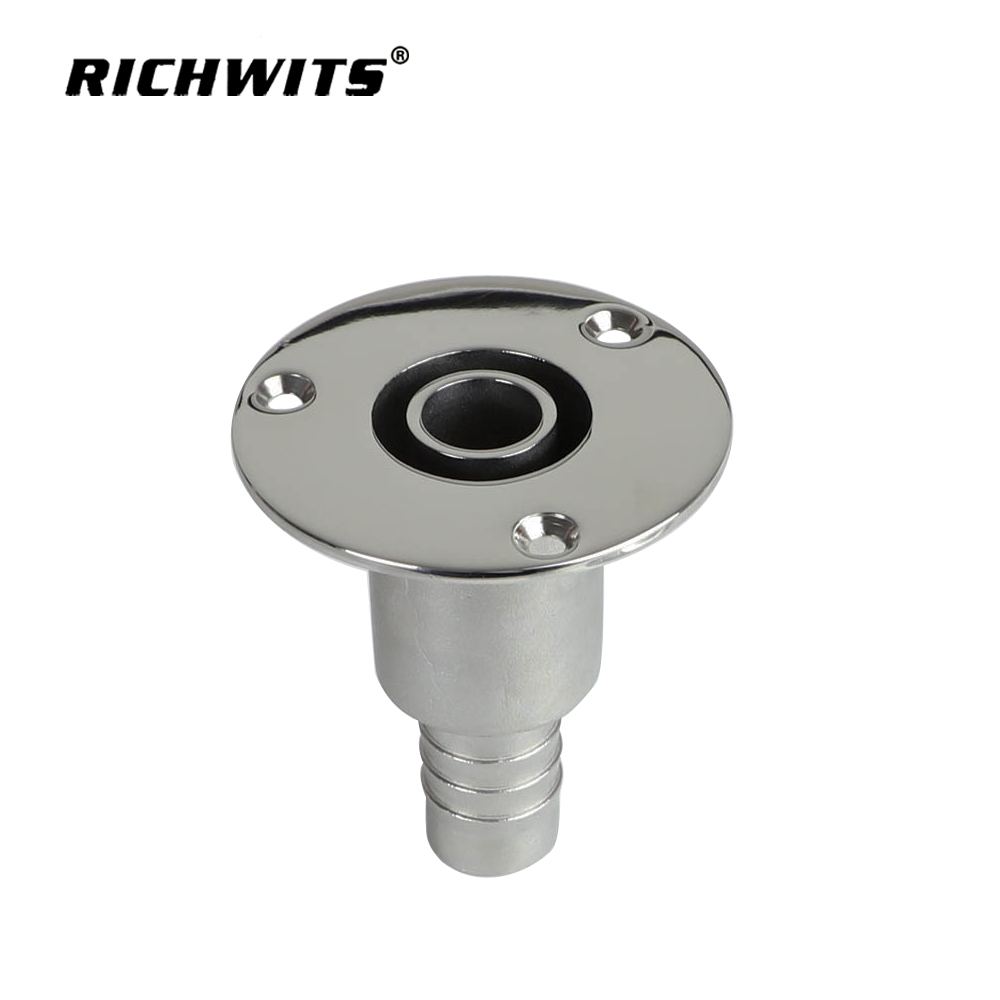
Marine Heater Thru Hull Exhaust Skin Fitting 316 Stainless Steel Boat Latch
Product Overview
![Marine heater thru hull exhaust skin fitting dimensional diagram and specifications]()
1. Marine Stainless Steel Steam Exhaust Pipe
Crafted from premium 316 stainless steel, this exhaust pipe delivers exceptional resistance to saltwater corrosion and extreme high temperatures. It serves as an essential component for marine engine steam discharge systems, providing reliable venting in demanding offshore environments. The standardized interface design ensures perfect compatibility with mainstream marine parking heaters, including recognized systems like Webasto and Eberspacher, facilitating seamless integration and efficient installation for vessel upgrades or new shipbuilding projects.
2. High-Pressure Marine Steam Exhaust Pipe
Constructed from heavy-duty stainless steel, this fitting is specifically engineered to handle high-pressure steam output without compromising structural integrity. The meticulous leak-proof design is highly suitable for ship boilers and auxiliary power units, ensuring that pressurized steam is safely directed overboard. Every unit undergoes rigorous airtightness testing during production, guaranteeing zero leakage and maintaining strict safety standards within the confined spaces of a ship's engine room.
3. Universal Marine Steam Vent Pipe
Available in 304/316 stainless steel construction, this versatile vent pipe accommodates various installation requirements across different vessel classes. The interior features remarkably smooth inner walls, meticulously polished to eliminate friction and ensure unobstructed steam flow. This attention to internal finishing prevents condensation buildup and backpressure, allowing marine engines to breathe efficiently while maintaining consistent operational temperatures.
Opening Diameter:
22mm and 24mm
Product Advantage
![Straight marine steam exhaust pipe fitting polished 316 stainless steel]()
1. Superior Corrosion Resistance
Crafted from authentic marine-grade stainless steel, this fitting effectively withstands saltwater exposure, constant humidity, and harsh maritime conditions. The exterior undergoes a fine mirror-polishing process, which not only elevates the visual appeal of the hull with a brilliant metallic luster but also creates a surface so smooth that salt crystals and marine debris struggle to adhere. Each batch passes stringent Neutral Salt Spray (NSS) testing, ensuring long-lasting performance and structural soundness without rusting, even after prolonged submersion or exposure to sea spray.
2. High-Temperature Tolerance
Engineered to handle high-temperature steam discharge stably, the robust metal composition resists thermal deformation under extreme heat. Whether venting exhaust from a primary diesel engine or a supplementary heating unit, the fitting maintains its precise dimensions and structural integrity. This thermal stability prevents the surrounding hull sealant from degrading, ensuring the watertight boundary of the vessel remains uncompromised during continuous, heavy-duty operation.
3. Smooth & Unobstructed Flow
Features a highly polished inner wall that significantly minimizes steam resistance, enabling fast, efficient exhaust routing. By reducing internal friction, the fitting actively prevents dangerous pressure buildup within marine heating and exhaust systems. The tactile smoothness of the internal bore ensures that soot, moisture, and exhaust particulates are swiftly expelled overboard, reducing maintenance intervals and keeping the vessel's vital systems running efficiently.
4. Industry Certification & Manufacturing Excellence
Beyond physical performance, the materials and production techniques strictly adhere to ISO international quality management systems. The structural design and material selection align with the marine hardware standards set by major classification societies such as DNV and ABS. This compliance guarantees that the fittings meet global maritime safety requirements, providing shipbuilders, fleet operators, and procurement teams with absolute confidence in their sourcing decisions.
Specifications & Dimensions
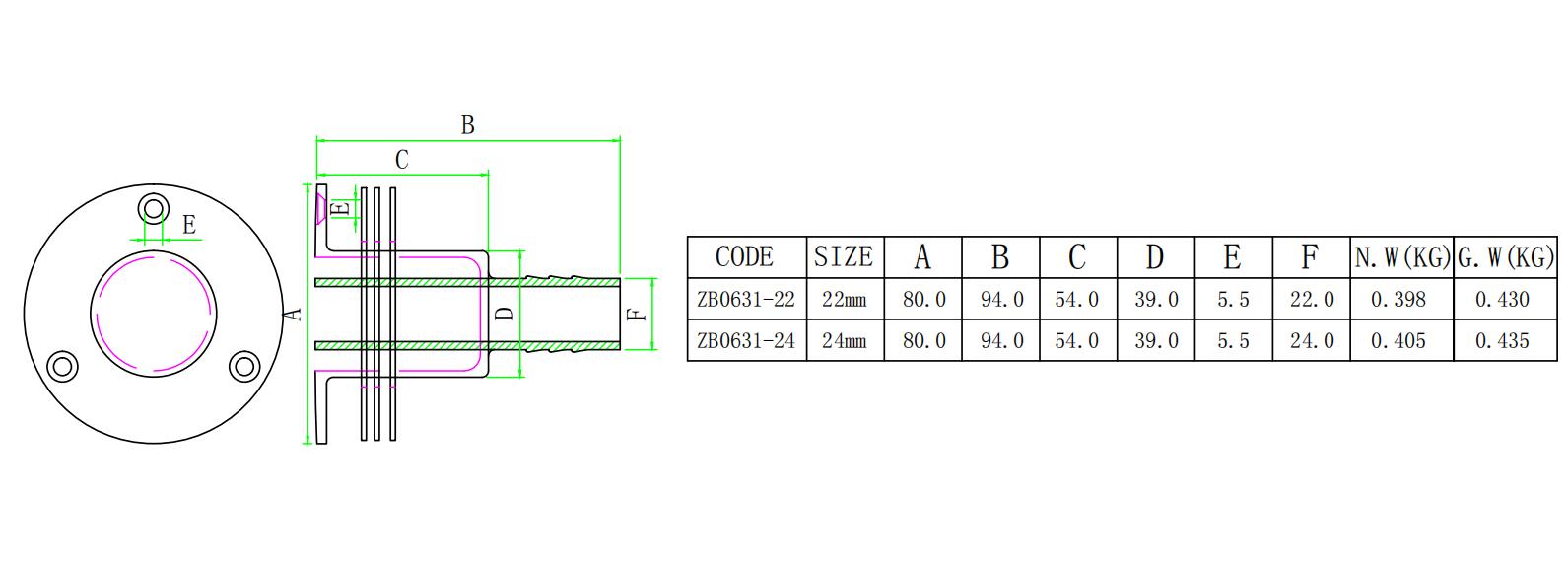
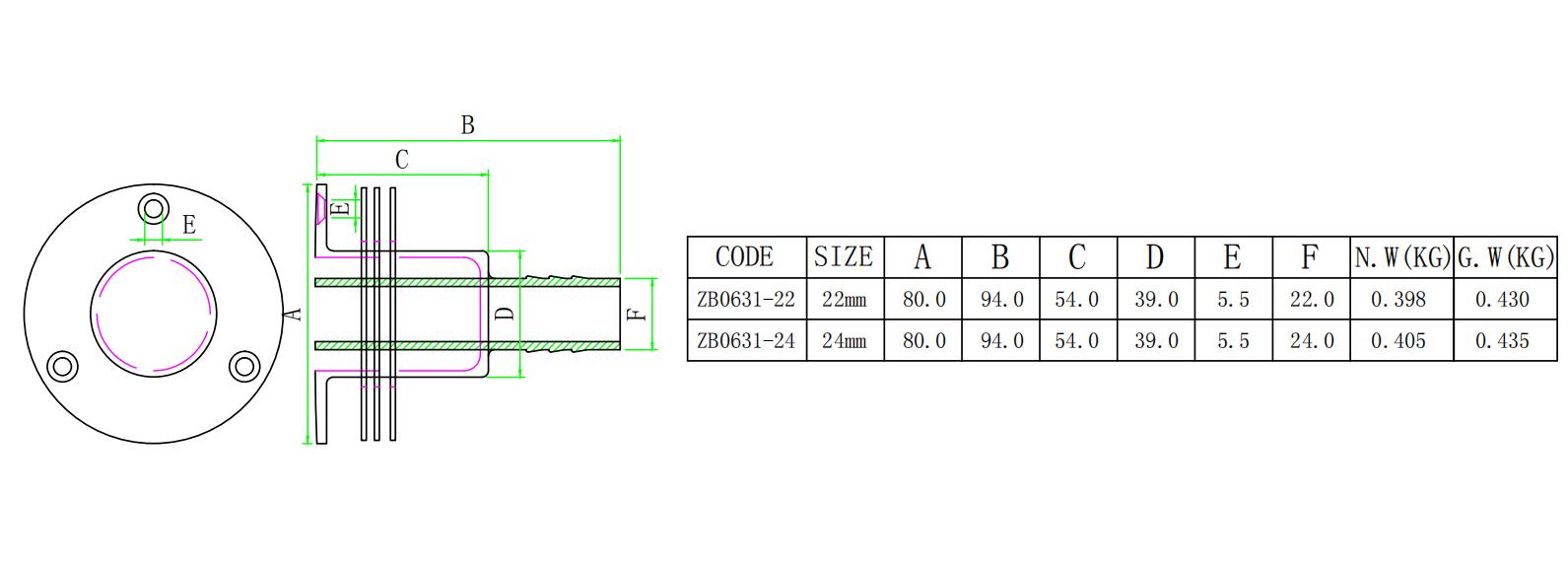
Accurate dimensions are critical for maintaining the watertight integrity of any vessel. Our thru-hull exhaust fittings are CNC-machined to exact tolerances, ensuring a snug, secure fit against the hull interior and exterior. The precise threading and flanged design distribute mechanical stress evenly, preventing localized fatigue. Please refer to the detailed schematics below for exact measurements, ensuring compatibility with your existing exhaust hosing and hull thickness.
![ZB0631蒸气排气管-直-尺寸简图]()

Application Scenarios
![Marine logistics and transportation for stainless steel exhaust fittings]()
1. Ship Engine Rooms
Effectively discharges high-temperature steam generated by marine main engines and auxiliary power units. In the confined, vibration-heavy environment of an engine room, these solid stainless steel fittings provide a secure conduit through the hull, protecting the vessel's interior from exhaust heat and toxic gases while withstanding the constant mechanical stress of engine operation.
2. Marine Boiler Systems
Safely exhausts excess steam from shipboard boilers to maintain stable pressure and operational safety. Boiler systems require venting solutions that will not degrade under continuous thermal cycling. Our thru-hull fittings absorb these temperature fluctuations without expanding or contracting to the point of compromising the hull seal, ensuring consistent pressure regulation.
3. Offshore Platform Power Stations
Handles critical steam venting for offshore power generation and heating equipment operating in aggressive saltwater environments. Oil rigs and offshore wind maintenance platforms face relentless exposure to corrosive sea spray. The heavy-duty stainless steel construction ensures these vent pipes remain structurally sound and visually pristine, minimizing replacement costs and maintenance downtime in isolated offshore locations.
FAQ:
1.If it's "stainless," why does it sometimes rust?
Stainless steel is stain-less, not stain-proof. Rust can occur due to specific environmental factors and improper handling. Understanding these triggers is essential for maritime maintenance:
· Contamination: Iron or carbon steel particles from tools, dock grit, or nearby grinding can settle on the stainless surface and rust. This is called "surface contamination." Always use dedicated tools for stainless hardware.
· Crevice Corrosion: In tight, oxygen-deprived spaces (under a bolt head, inside a threaded fitting), the protective chromium oxide layer can break down, leading to localized corrosion. Proper sealant application mitigates this risk.
· Galvanic Corrosion: When stainless steel is electrically connected to a less noble metal (like aluminum or mild steel) in seawater, the electrolyte (saltwater) causes a current to flow, corroding the less noble metal. The stainless can also be attacked if its potential is shifted.
· Pitting: Chlorides in seawater can locally break down the passive layer, causing small, deep pits. Regular freshwater washdowns help prevent chloride accumulation.
· Low-Quality Alloy: Using 304 instead of 316 in a marine environment will almost certainly lead to corrosion. Our fittings utilize true marine-grade alloys to prevent this specific failure point.
2. What’s the “grain” on stainless steel?
A visible pattern from manufacturing (brushing/rolling); clean along the grain to avoid scratches. While our mirror-polished fittings lack a distinct grain, any adjacent brushed hardware should be wiped parallel to the directional finish to maintain its aesthetic integrity.
3.Can I use bleach to clean stainless steel?
Not recommended—bleach contains harsh chlorides that can rapidly damage the protective oxide layer and cause severe pitting. Instead, use mild soapy water or specialized marine stainless cleaners to preserve the polished finish.
Packing&Delivery
To guarantee that our highly polished marine hardware arrives in pristine condition, we implement a rigorous safety packaging protocol. Each exhaust skin fitting is individually wrapped in anti-scratch protective film, cushioned with dense pearl cotton, and securely placed within thickened, export-grade corrugated cartons. This multi-layered defense completely eliminates the risk of impact damage or surface abrasions during long-haul cross-border transit.
Backed by mature CNC machining production lines and substantial raw material reserves, we offer highly flexible manufacturing capabilities. We accommodate customized pipe diameter requests and provide laser-engraved brand logos to support your specific market positioning. Whether you require a flexible Minimum Order Quantity (MOQ) for specialized vessel refits or demand stable, on-time delivery for large-scale shipbuilding contracts, our supply chain is engineered for absolute reliability.

Exhibition
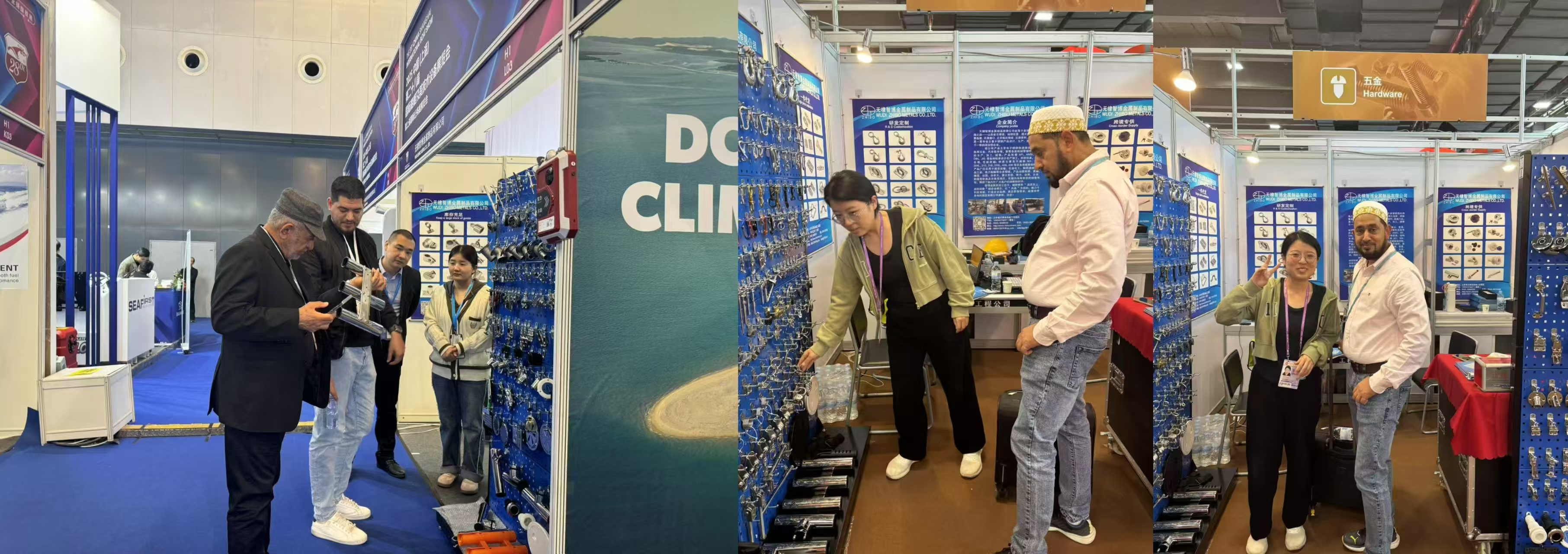
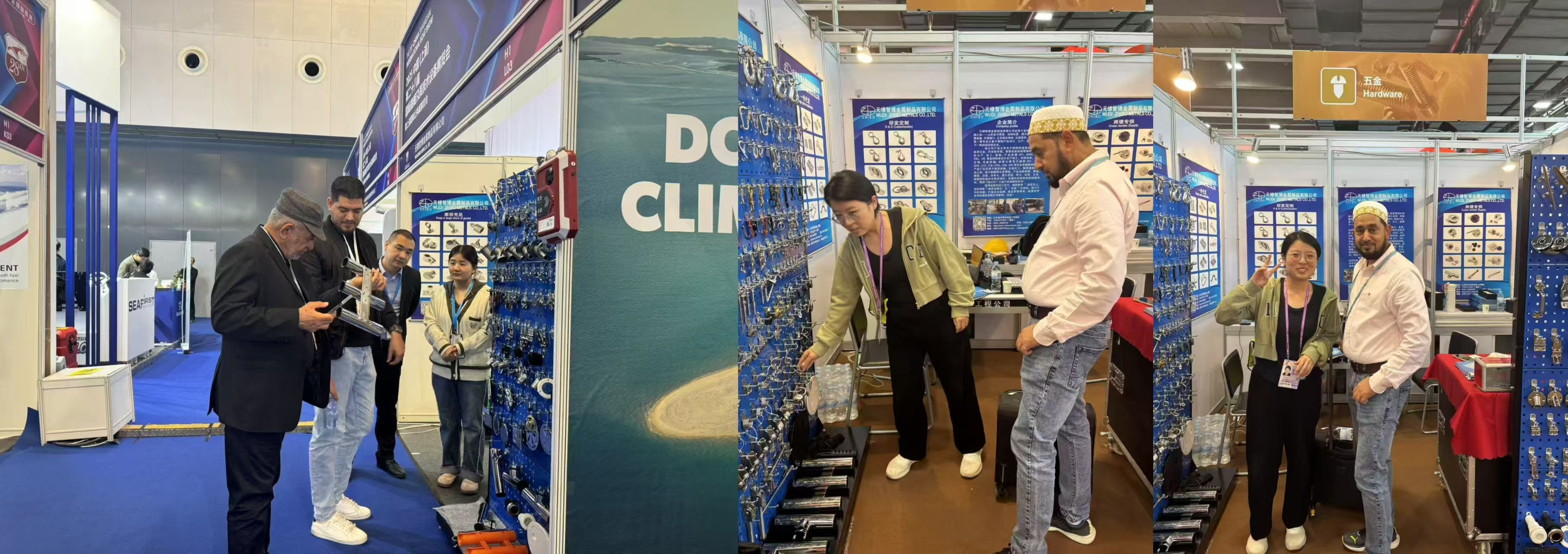
We actively participate in prominent international maritime and marine equipment exhibitions. These global platforms allow us to demonstrate the precision engineering of our stainless steel boat latches and exhaust fittings firsthand. Engaging directly with shipwrights, fleet managers, and marine engineers ensures our product development remains aligned with the evolving demands of the global maritime industry.

![Marine hardware exhibition booth showcasing stainless steel fittings]()