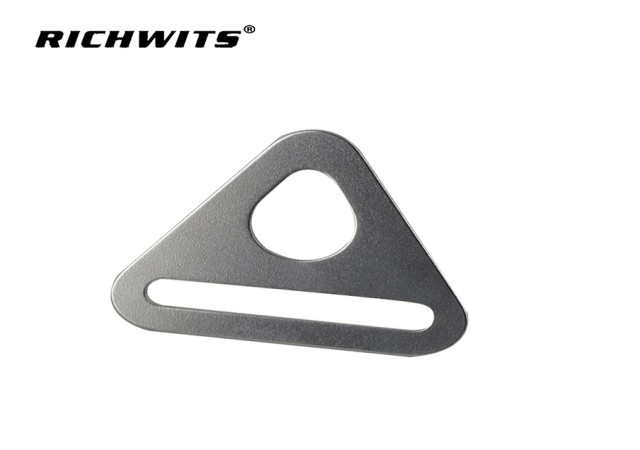
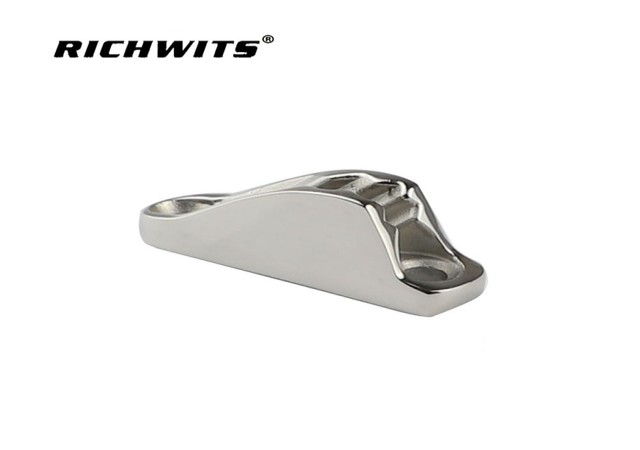
Marine Hardware near saltwater can last for years—or fail much sooner than expected. So, is stainless steel ok in the ocean? Yes, but only the right grade in the right setting. In this article, you will learn how to judge exposure, corrosion risk, maintenance, and whether stainless steel yacht fittings are the right choice.
Is Stainless Steel Actually Good Enough for Ocean Use?
The short answer: yes, but not every stainless steel
Stainless steel can work in ocean environments, but the phrase “stainless” often creates the wrong expectation. It does not mean the metal is immune to rust or corrosion. What it really means is that the alloy forms a thin protective surface layer that slows damage much better than ordinary steel. In marine use, that protection can still be broken down by chlorides, trapped moisture, and poor material selection, which is why some stainless parts stay serviceable for years while others show staining or localized attack much sooner.
For readers choosing hardware, the practical takeaway is simple: the real question is not whether stainless steel can go near the ocean, but whether the specific grade, finish, and installation match the exposure. A deck fitting in open air, a railing near the shore, and a part sitting in stagnant seawater do not face the same level of risk, even if all are called “marine” applications.
Why ocean conditions are harder than normal outdoor exposure
Ocean environments are harsher than standard outdoor settings because they combine several corrosion accelerators at once. Salt does not need full immersion to become a problem. Sea spray, salt-laden humidity, and repeated wet-dry cycles can leave concentrated chloride deposits on the surface, especially in coastal air and splash zones. As water evaporates, salt remains behind, and that makes the local environment more aggressive than a simple rain-exposed exterior surface.
That is why stainless steel near the coast may corrode even when it is never permanently underwater. Components exposed to airborne salt, infrequent washing, or hidden crevices can degrade faster than many buyers expect, particularly when lower grades are used.
The four factors that decide whether it will last
Factor | Why it matters in marine use |
Grade | 316 performs much better than 304 in chloride-rich conditions, while more severe exposure may require duplex or higher-alloy options. |
Exposure zone | Coastal air, splash areas, and full immersion create very different corrosion risks. |
Fitting design | Threads, overlaps, and trapped-water details raise the chance of crevice corrosion. |
Maintenance level | Freshwater rinsing and routine cleaning help remove salt deposits before damage accelerates. |
Which Stainless Steel Should You Choose for Marine Hardware?
304 vs 316 stainless steel: which one belongs near saltwater?

For marine applications, the gap between 304 and 316 is more important than many buyers realize. Grade 304 performs well in many indoor and low-chloride settings, which is why it is widely used in general fabrication. Near saltwater, however, it becomes much less dependable. Chloride exposure from sea spray, humid coastal air, and salt deposits can break down its passive film more easily, leading to staining and localized corrosion much sooner than expected. That is why 304 may still appear acceptable in sheltered, mild environments, yet becomes a risky choice once hardware is installed close to the shoreline or exposed to regular salt contamination.
Grade 316 is usually treated as the safer baseline for many kinds of Marine Hardware because it contains molybdenum, which improves resistance to pitting and crevice attack in chloride-rich conditions. That does not make 316 indestructible, but it gives it a much stronger starting point for marine service than 304. For buyers who want a simple rule, 316 is often the minimum sensible option for exposed coastal and marine hardware where long-term appearance and reliability matter.
Grade or option | Best fit in marine use | Main limitation |
304 stainless steel | Mild exposure, inland or protected environments with limited salt contact | Often struggles near ocean air, spray, and chloride buildup |
316 stainless steel | Many above-waterline coastal and marine hardware applications | Can still suffer in crevices, splash zones, or stagnant seawater |
Duplex or higher-alloy stainless | Severe marine exposure, higher loads, or more critical fittings | Higher cost and usually unnecessary for light-duty applications |
When 316 stainless steel is enough
In many real-world projects, 316 is the practical default because it balances corrosion resistance, availability, strength, and cost. It is commonly suitable for above-waterline parts such as rails, brackets, deck fittings, ladders, and other exposed exterior components that face spray, humidity, and routine washdown rather than permanent submersion. In these situations, 316 usually provides the level of durability most owners expect from marine-grade stainless, especially when the design avoids hidden crevices and the surface is cleaned often enough to prevent salt accumulation.
That said, “good enough” depends on the duty cycle, not just the label on the material certificate. A polished 316 fitting on open deck hardware with airflow and occasional rinsing is very different from a 316 component installed where salt can collect, water can stagnate, or oxygen access is limited. Readers should think of 316 as the standard answer for many marine and coastal uses, but not as a blanket approval for every hardware location on a vessel or waterfront structure.
When stainless steel yacht fittings need more than 316
Some stainless steel yacht fittings operate in conditions that push beyond what standard 316 can comfortably handle over time. Constant salt loading, critical load-bearing service, severe splash-zone exposure, and details that are difficult to inspect or clean all raise the consequences of corrosion. When a fitting is both structurally important and highly exposed, the cost of premature damage is much higher than the price gap between alloys. In these cases, duplex or other higher-alloy stainless grades may provide better long-term reliability because they offer greater resistance to localized attack while also delivering higher strength.
A useful way to think about upgrades is to look for combined risk, not just harsh surroundings alone. The need for more than 316 becomes more convincing when several factors overlap at once:
● the fitting carries meaningful structural load
● the part lives in a splash-heavy or salt-trapping location
● inspection or cleaning access is limited
● replacement failure would create safety or performance problems
When stainless steel may not be the best choice at all
There are also situations where the smartest decision is not to upgrade within stainless steel, but to question whether stainless is the right family of material for the job. Continuously submerged components, low-oxygen crevice-prone assemblies, and stagnant seawater service can challenge standard stainless grades severely. In those environments, even recognized marine grades may suffer localized corrosion earlier than users expect, particularly when water remains trapped and the passive layer cannot recover easily.
For that reason, material selection should follow the service condition first and the alloy name second. If a component will live below the waterline for long periods, sit inside wet enclosed joints, or operate where failure carries major consequences, choosing “marine stainless” without examining the actual exposure can be an expensive mistake.
Where Does Stainless Steel Fail Fastest in Marine Environments?
Splash zones and tidal areas
Among all marine exposure conditions, splash zones and tidal areas are often the most punishing. These locations are repeatedly wetted by saltwater and then dried by sun, wind, or airflow, which leaves concentrated salt behind on the metal surface. That cycle is far more aggressive than simple rain exposure because the chlorides do not wash away cleanly; instead, they build up and attack the passive film over time. Fittings mounted near the waterline, on dock edges, or in wave-exposed sections of a boat can therefore deteriorate faster than owners expect, even when they are made from stainless steel marketed for marine use.
Marine exposure area | Why it is high-risk | Typical concern for stainless steel |
Splash and tidal zones | Repeated wet-dry cycling concentrates salt deposits | Faster onset of staining, pitting, and localized attack |
Full immersion | Water can remain stagnant and oxygen-poor | Higher risk of crevice corrosion in hidden areas |
Crevices and joints | Moisture stays trapped and is hard to flush out | Corrosion starts where the surface cannot self-protect well |
Mixed-metal assemblies | Saltwater completes an electrical path between unlike materials | Galvanic attack may damage the less noble component first |
What makes these zones deceptive is that the hardware may still look “open to air,” so users assume it is safer than submerged service. In practice, the constant cycle of salt deposition and evaporation can be severe enough to damage rails, brackets, and exposed Marine Hardware much earlier than flat, easy-to-clean surfaces located farther from direct spray.
Full immersion and trapped seawater
Below-waterline service is a different material decision from using stainless steel on exposed deck fittings. When a part remains continuously immersed, especially in areas where water does not circulate well, oxygen levels can drop and the stainless surface loses some of its ability to maintain a stable protective film. That is why stagnant seawater, enclosed pockets, and hidden wet cavities are much more dangerous than many visible above-water installations.
This is also where buyers can make costly mistakes by treating all marine exposure as one category. A 316 fitting used on an open deck with regular rinsing may perform acceptably for years, while a similar-looking part hidden below the waterline or inside a poorly ventilated recess may experience localized corrosion far sooner. The visual similarity between these applications hides the fact that the service environment is completely different.
Crevices, threads, and poorly designed joints
In stainless steel assemblies, corrosion rarely starts on the broad, visible surface first. It usually begins in the small details that are hard to clean and harder to inspect: bolt heads, threaded connections, gasket edges, lap joints, recessed fittings, seal lines, and overlaps where saltwater can sit undisturbed. These areas create the low-oxygen, moisture-retaining conditions that favor crevice corrosion, even when the surrounding metal still appears clean.
That is why design matters almost as much as alloy choice. A smooth exposed panel that can dry quickly is not exposed in the same way as a fitting with tight gaps and hidden moisture traps. In real Marine Hardware installations, poor drainage and cramped geometry often shorten service life more than buyers expect, because the most vulnerable points are not the ones they see during routine inspection.
Mixed-metal contact and galvanic corrosion
Galvanic corrosion becomes a serious risk when stainless steel is installed in contact with dissimilar metals such as aluminum or carbon steel in the presence of saltwater. The seawater acts as an electrolyte, allowing an electrical relationship to form between the materials. One metal becomes more protected while the other corrodes faster, and the result can be surprisingly rapid damage in brackets, fastener assemblies, deck mounts, and other mixed-material connections.
This problem is often created during installation rather than design intent. A stainless fastener through an aluminum part, carbon steel contamination from shared tools, or direct contact between unlike metals without insulation can all trigger avoidable failures. In marine assemblies, the hardware itself may not be the only issue—the way components are paired, separated, and installed can determine which part starts to fail first.

How Do You Make Marine Hardware Last Longer by the Ocean?
Choose better surface finish and smarter fitting design
Even high-quality Marine Hardware can age badly if salt is allowed to cling to the surface or collect in hidden details. A smoother finish helps because it gives salt, grime, and moisture fewer places to stay attached. Polished stainless surfaces are generally easier to rinse and inspect than rougher finishes, which tend to trap deposits and make early staining harder to spot. In coastal service, surface condition is not just about appearance; it directly affects how quickly contaminants build up and how easy routine maintenance becomes.
Design matters just as much as finish. Hardware lasts longer when water can drain away and air can circulate around the fitting instead of remaining trapped in recesses or tight overlaps. Crevices around seals, fastener heads, backing plates, and decorative covers are often where corrosion begins first, even when the exposed face still looks clean. A smarter fitting layout reduces these stagnant zones and makes washdown more effective, which is why good marine durability starts before the first installation, not after the first rust mark appears.
Clean and rinse before corrosion becomes a problem
Salt should be treated as a routine contaminant, not as an occasional issue. The most practical maintenance step for ocean-exposed hardware is regular freshwater rinsing, especially after heavy spray, long passages, or periods of strong coastal wind. This does not need to become an elaborate maintenance program, but it does need to be consistent. Once salt crystals and grime sit too long on stainless steel, they create the conditions for staining and localized attack to begin.
Maintenance action | Why it helps |
Freshwater rinse | Removes salt deposits before they concentrate on the surface |
Visual inspection | Catches staining, trapped debris, and moisture-retaining details early |
Cleaning exposed fittings | Reduces buildup in areas that do not fully wash off with rain or spray |
Checking hidden joints | Helps identify early trouble around fasteners, seals, and overlaps |
Preventive care is far more effective than waiting for visible corrosion and then trying to restore the metal afterward. Once pitting or crevice attack is established, cleaning may improve appearance but cannot always reverse the underlying damage. That is why owners should build rinsing and inspection into normal upkeep for rails, brackets, and other exposed stainless components rather than treating maintenance as a last resort.
Avoid contamination during fabrication and installation
Stainless steel can also fail early because of what happens in the workshop, not just what happens at sea. Carbon steel particles from shared tools, grinding dust, dirty benches, or careless handling can contaminate the surface and create rust spots that look like the stainless itself has failed. In reality, the wrong fabrication environment can undermine a correct alloy choice before the hardware even enters service.
Installation quality matters for the same reason. Poor edge finishing, damaged surfaces, and careless contact with unsuitable metals can shorten the life of marine fittings long before the base material reaches its natural limit. A correct grade is only one part of corrosion resistance; clean fabrication and disciplined installation are what allow that grade to perform as intended.
Conclusion
Stainless steel can work in the ocean when grade, exposure, and design are matched carefully. For many marine uses, 316 is the practical starting point, but harsher conditions may need more. Long-lasting Marine Hardware and stainless steel yacht fittings depend on smart selection and regular care. Wudi Zhibo Metals Co., Ltd. delivers durable metal solutions that help buyers get better corrosion resistance, reliability, and service value.
FAQ
Q: Is 316 the minimum grade for Marine Hardware near saltwater?
A: For most exposed Marine Hardware, 316 is the practical baseline because it resists chlorides better than 304.
Q: Can Marine Hardware stay underwater full time?
A: Not always. Marine Hardware in stagnant or low-oxygen seawater can suffer crevice corrosion and may need duplex alloys.
Q: Are stainless steel yacht fittings maintenance-free?
A: No. Marine Hardware lasts longer when fittings are rinsed, inspected, and designed to avoid salt traps.